
10 Things to Know About ETIAS and EES Before Your France Trip
The EU introduced two major travel systems that will affect how non-EU travelers enter the Schengen Area: EES (Entry/Exit System) and ETIAS (European Travel Information and Authorization System).
These aren’t minor updates. They change how borders are controlled, how you enter, and what you need to do before boarding a flight.
If you’re planning a trip to France, Italy, Spain, or anywhere in the Schengen zone from 2026 onward, here’s what you need to know.
1. EES started rolling out in October 2025
The Entry/Exit System (EES) began gradual implementation on October 12, 2025. During this phase, border guards continue stamping passports while also collecting biometric data.
The system is expected to fully replace passport stamping by April 2026.
2. It applies to all non-EU nationals entering the Schengen Area
EES affects third-country nationals, including citizens of the U.S., Canada, and the U.K., who enter the Schengen Zone for short stays (up to 90 days in any 180-day period).
The system tracks the exact dates of entry and exit, replacing manual stamps with digital records.
3. Biometric data is required
Most travelers need to provide a facial scan and four fingerprints at their first entry under the new system. Children under 12 only need the facial image.
The biometric data stays in the system for three years and will be reused for future entries.
4. Arrive earlier at borders
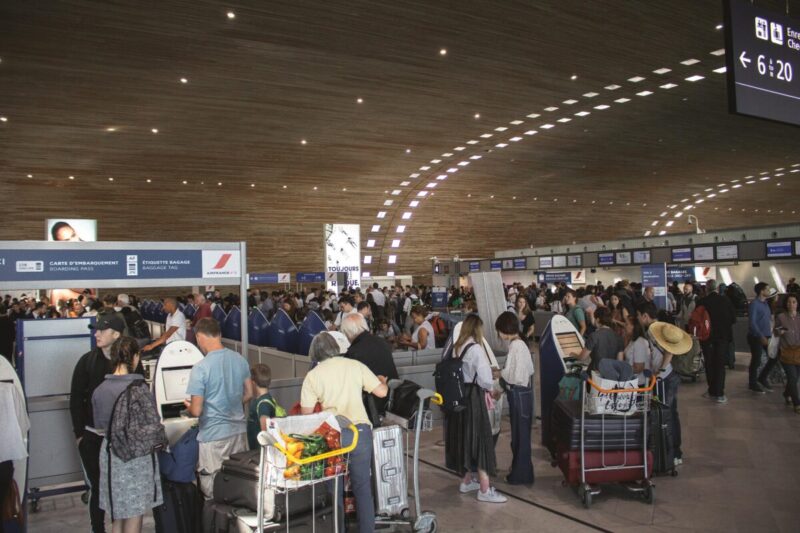
During the transition period, expect longer lines and more processing time at land and airport borders, especially if your biometrics haven’t been recorded yet.
Automated gates may be in place later, but the initial rollout relies on in-person checks.
5. ETIAS is not a visa
ETIAS is a travel authorization, not a visa, required for citizens of visa-exempt countries visiting the Schengen Area.
The system is similar to the U.S. ESTA or Canada’s eTA. It allows border officials to pre-screen travelers before arrival.
6. ETIAS is set to launch in late 2026
The current timeline puts the official launch between October and December 2026, after EES is fully operational. A six-month grace period will follow.
During that time, some carriers may not enforce it strictly, but full enforcement begins in early 2027.
7. Cost is €20 for most travelers
Unlike earlier reports of a €7 fee, the finalized ETIAS authorization costs €20 for travelers aged 18 to 70. It’s free for minors and travelers over 70.
Payment is made online via credit or debit card.
8. Most applications are approved quickly
The online form takes about 10 minutes to fill out. Most travelers will be approved within minutes.
If there’s a hit on the database though, for example, an Interpol alert or irregular past travel, the application can take up to 30 days.
9. ETIAS is valid for three years
Once approved, your ETIAS is valid for multiple entries over three years or until your passport expires, whichever comes first. If you renew your passport, you’ll need to apply again.
10. You’ll need ETIAS to board your flight
Once ETIAS is active, airlines and ferry companies will be required to check your authorization before boarding.
If you don’t have a valid ETIAS at that point, you won’t be allowed to travel, even if your passport is valid and your plans are in place.
11. Border entry is still not guaranteed
Even with an approved ETIAS, border officers can still refuse entry if you don’t meet all requirements. This includes having proof of accommodation, return tickets, or sufficient funds.
ETIAS helps pre-screen travelers, but final decisions are made at the border.
12. Stronger data tracking
With both ETIAS and EES in place, European authorities will be able to track entries, exits, overstays, and security risks with far more precision than before.
This is a major shift in how non-EU nationals are monitored across the Schengen Area.
13. Not for Ireland & non-Schengen EU countries
ETIAS and EES only apply to countries in the Schengen Zone plus a few others (like Cyprus). Ireland, for example, has its own entry rules and won’t be part of either system.
Make sure to check entry requirements if your trip includes both Schengen and non-Schengen stops.