

15 Tips to Avoid Triggering French Contempt as an Foreign Visitor
A practical guide to smoother interactions in France
Travelers often expect France to be difficult. Some even brace for rude service or cold replies. But people who share their day-to-day experiences say something very different.
Most awkward moments come from small cultural habits, tone differences, or rushed interactions that land wrong.
This guide focuses on what actually matters and what travelers consistently say improves every exchange.
1. Start Every Interaction With a Real Greeting

The French expect a proper “bonjour” before anything else. It’s a social key that unlocks the conversation.
Walk into a shop, café, bakery, pharmacy, or ticket counter and say bonjour before asking anything.
People repeatedly point out that skipping this is the fastest way to get a curt reply. The greeting shows respect. Without it, your question feels abrupt even if your tone is friendly.
2. Pause Before Asking Your Question
American communication (especially New York style) likes efficiency. In France, a greeting followed by an immediate question still feels rushed.
Travelers say a one-second pause makes a surprising difference.
Bonjour.
Pause.
Then the question.
It signals that you’re not treating the person like a vending machine.
3. Ask About English Politely
Jumping straight into English feels presumptuous. People note that the best formula is simple:
“Bonjour, est-ce que vous parlez anglais ?”
You wait for the answer. The conversation opens naturally. Most will switch to English right away.
4. Use Simple French
Don’t overdo it. You don’t need fancy sentences. The French care more about the gesture than the performance.
Honest, basic French gets better reactions than awkward attempts at advanced phrases.
A few essentials go a long way:Je voudrais…
S’il vous plaît
Je ne comprends pas
Merci
Au revoir
Locals often take this as respect rather than a language test.
5. Focus on Attitude More Than Words
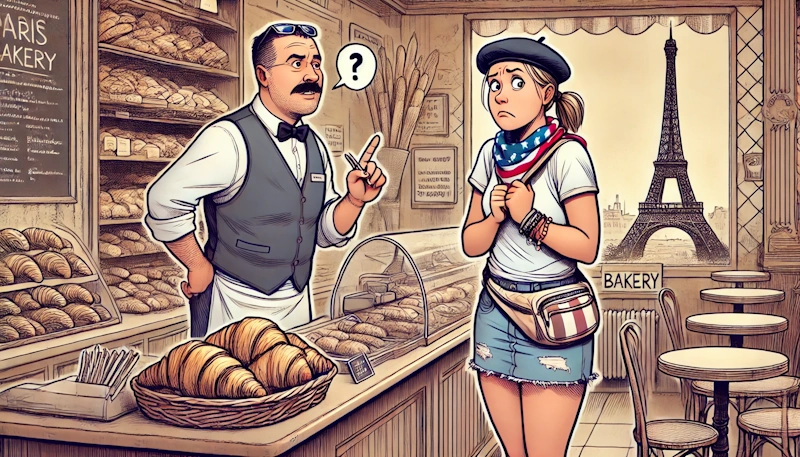
People say French service reacts strongly to attitude. Not entitlement, not volume, not demand.
A calm approach works wonders. No rush, no stress, no “I’m clearly more important than this line.”
Visitors who stay patient, even when confused or lost, report consistently good interactions.
6. Adjust for Tone and Facial Expressions
French communication is more direct and carries fewer “softeners.”
A straight face is normal, not aggressive. A firm tone is common, not hostile.
Some travelers even think two locals are arguing when they’re just talking.
Once you understand this baseline, you stop interpreting normal behavior as contempt.
7. Keep Your Volume Lower Than Usual
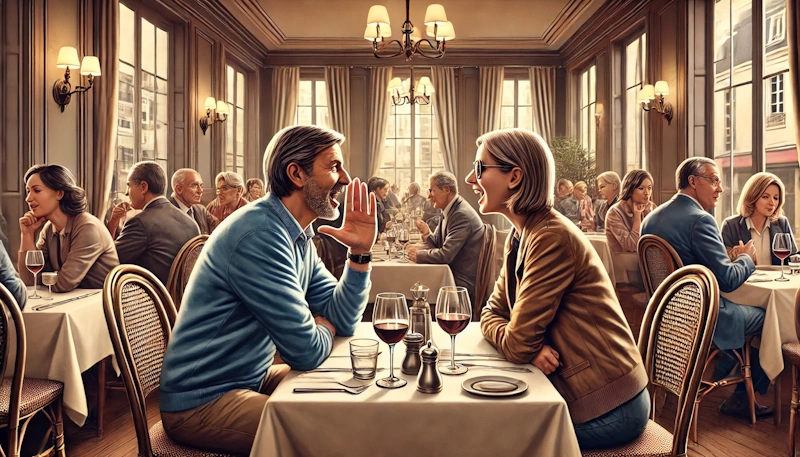
Many travelers say Americans speak louder than they realize. In small bistros, metros, narrow streets, and bakeries, it draws attention and annoyance fast.
Lowering your voice instantly changes how you’re perceived.
8. Respect the Entry and Exit Ritual
Entering a shop is like entering someone’s living room. The greeting matters.
Leaving without saying merci and au revoir breaks the unspoken norm.
Travelers who stick to these rituals describe much friendlier service.
9. Don’t Assume People Have Time for You
French locals don’t automatically feel obliged to stop what they’re doing.
If they look busy, wait for a moment of attention.
If they say they can’t help right now, accept it with a smile.
People note that this small shift removes half the friction travelers complain about.
10. Use Translation Tools Wisely
e-SIMs and data plans make your trip easier. Travelers rely heavily on translation apps for menus, signs, or tricky moments.
Showing a translated sentence on your phone can save a situation at a gas station or machine kiosk, but you don’t need to start every interaction this way.
Most people say they only switch to the app after the French person has tried to help.
11. Some Places React Differently
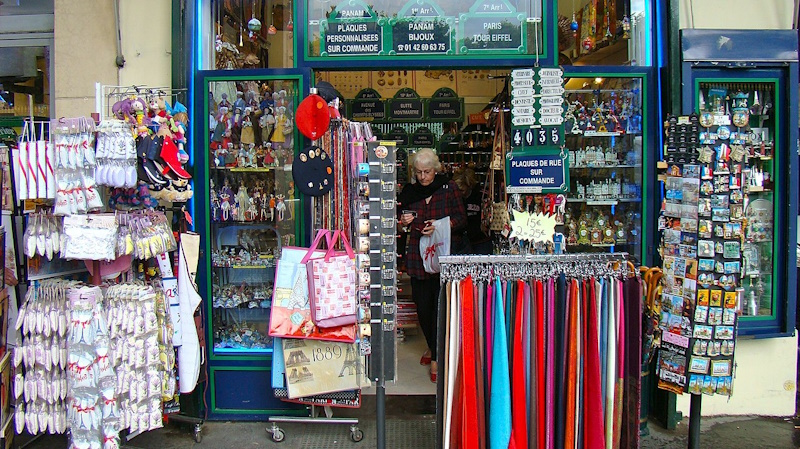
Tourist hotspots and ski towns like Chamonix deal with stressed, impatient, or entitled visitors daily.
Locals may be quicker to shut down when someone arrives with that energy.
But plenty of travelers say they meet incredibly warm people in the same places when they approach them politely.
12. Avoid Sarcastic or Careless Comments
Making throwaway remarks about France or French people lands badly. Even light sarcasm can sound hostile.
People say staying sincere and positive smooths conversations instantly.
13. Don’t Read Too Much Into Short Replies
Non-native English speakers often use fewer polite buffers.
A simple “go down there” or “closed today” may sound abrupt to Americans but is completely neutral in French communication.
Travelers who stop taking this personally have much lighter days.
14. Remember That Most Travelers Have Good Experiences
Many visitors report that they barely speak French and still find locals friendly.
Middle-aged groups, families, solo travelers, and Americans from quieter regions say they’re treated well when they follow basic etiquette.
Several even say French staff seem pleased when they hear they’re from the U.S.
15. Individual Jerks Aren’t the Culture
People mention that jerks exist everywhere. One rude waiter doesn’t equal a rude country.
Most travelers say France feels welcoming once you align with the cultural rhythm.
16. Calm Energy Works Better Than High-Energy Assertiveness
French people are sensitive to emotional volume as well as voice volume. A relaxed attitude is read as respectful.
A “move fast, talk fast, decide fast” American style can feel overwhelming.
Travelers who slow down a little fit right in.
17. When in Doubt, Be Extra Polite
Many locals tell visitors that you can never be too polite in France.
Being a bit more formal than you’re used to works in your favor.
Even young French adults who roll their eyes at old-fashioned manners still respond better to courtesy.
If you follow these habits, you avoid the small triggers that create friction and you shift your experience from defensive to effortless. Travellers who report the best experiences aren’t the ones with the best French, they’re the ones who adapt just enough to click into the local flow.