
She Left the US for Italy at 40. What the Cost of Living Actually Looks Like
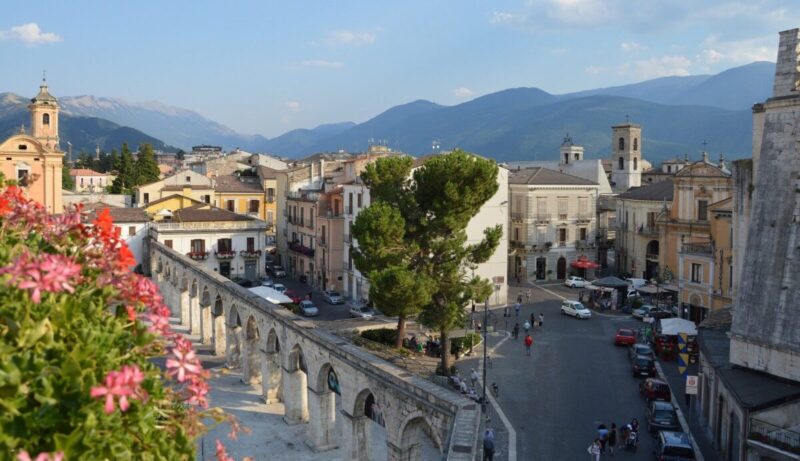
Cassie Tresl and her husband packed up their American life in 2019 and moved to Abruzzo, a region east of Rome that most US travelers couldn’t find on a map.
Abruzzo sits in Italy’s mid-south, tucked between the Apennine mountains and the Adriatic coast.
It’s not Tuscany. There’s no Instagram crowd. Property is cheap, the food is outstanding, and the locals are genuinely friendly rather than tourist-weary.
What the Cost of Living Looks Like
Cassie has written openly about the numbers, and they’re striking.
A full grocery run for two in Abruzzo can cost less than $30. A sit-down lunch with wine runs about $12 per person.
Monthly expenses for a couple, including rent in a small town, can land well under $2,000 total.
Compare that to what many Americans pay just for a one-bedroom apartment. The cost gap isn’t small. It changes how you relate to money entirely.
Things That Take Getting Used To
Italy doesn’t operate on American time. Shops close for several hours in the afternoon. Bureaucracy moves slowly.
Getting a residency permit involves paperwork that makes no logical sense.
The language barrier is real too, especially outside of tourist areas. Abruzzo is not Florence. English is not assumed.
Cassie talks about the learning curve honestly. It took time to figure out how things worked, which doctors to see, how to handle the postal system, and why the neighbor’s dog barks at exactly 2am every Thursday.
She also had to learn to slow down, which sounds appealing until you’re standing in line at the comune for the third time that week with the wrong form.
Why She’d Never Go Back

The quality of life is the simple answer. She walks more. She eats better food, almost by default, because the local markets make it easy.
The pace of daily life is slower in a way that took real adjustment at first, and then became the whole reason to stay.
The stress of American life, she says, was something she didn’t fully register until it was gone.
There’s also the food. Not the pasta-in-a-nice-restaurant food, but the ordinary Tuesday dinner food. The tomatoes taste different. The olive oil tastes different. The bread is different. It adds up.
The Visa Situation
Moving to Italy long-term requires a visa, and the most relevant one for Americans without a job offer is the Italy Elective Residency Visa.
It requires proof of passive income of roughly $31,000 per year for a single person, or around $38,000 for a couple.
That means retirement income, rental income, investments, or similar. Remote work income doesn’t count under this visa category.
It’s not cheap to qualify for. That’s one of the real filters on this kind of move, and it’s worth knowing before you get too excited about the $12 lunches.
The good news is that once you’re there, the cost of living keeps monthly expenses well below those income thresholds for most people.
That gap is effectively your margin of comfort.
Is It for Everyone?
No. Moving abroad in your 40s means leaving your support network, your familiar routines, and your proximity to family.
Medical systems work differently. Tax obligations get complicated fast.
You will at some point need to explain something in Italian at a government office, and no amount of Google Translate fully prepares you for that.
Cassie is clear that it wasn’t easy. The first year was genuinely hard.
She also didn’t move to escape problems. She moved because the life she wanted was available somewhere else for a price she could afford.
What Abruzzo Is Like
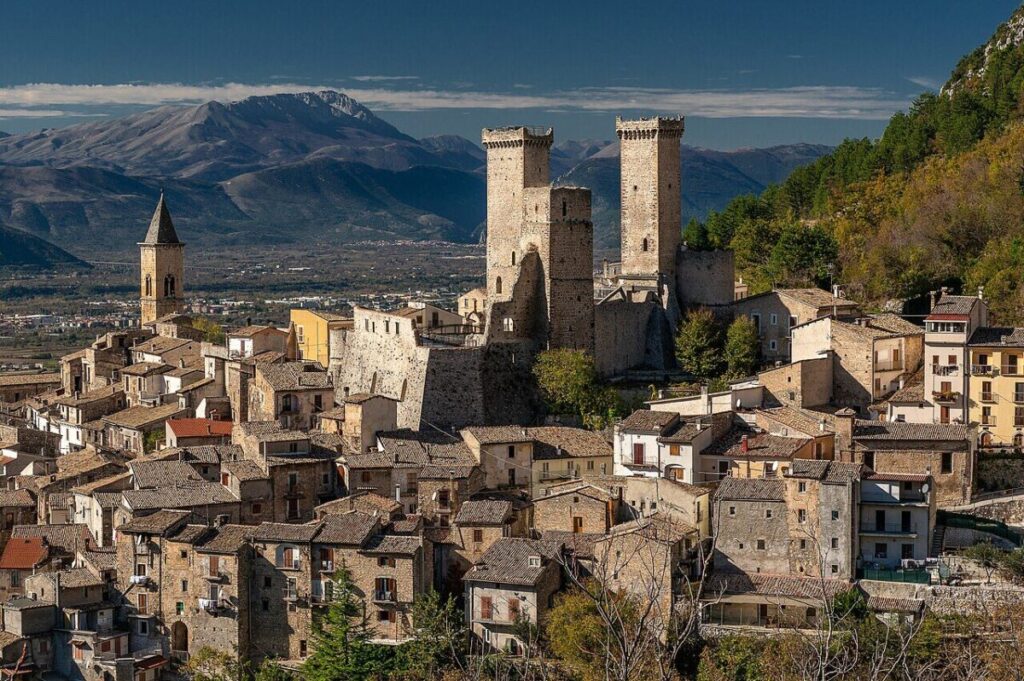
Americans tend to picture Italy as Rome, Venice, or Tuscany’s rolling hills. Abruzzo doesn’t look like any of those.
The region has over 40 protected natural areas and three national parks, including the Parco Nazionale d’Abruzzo, one of the oldest in Italy.
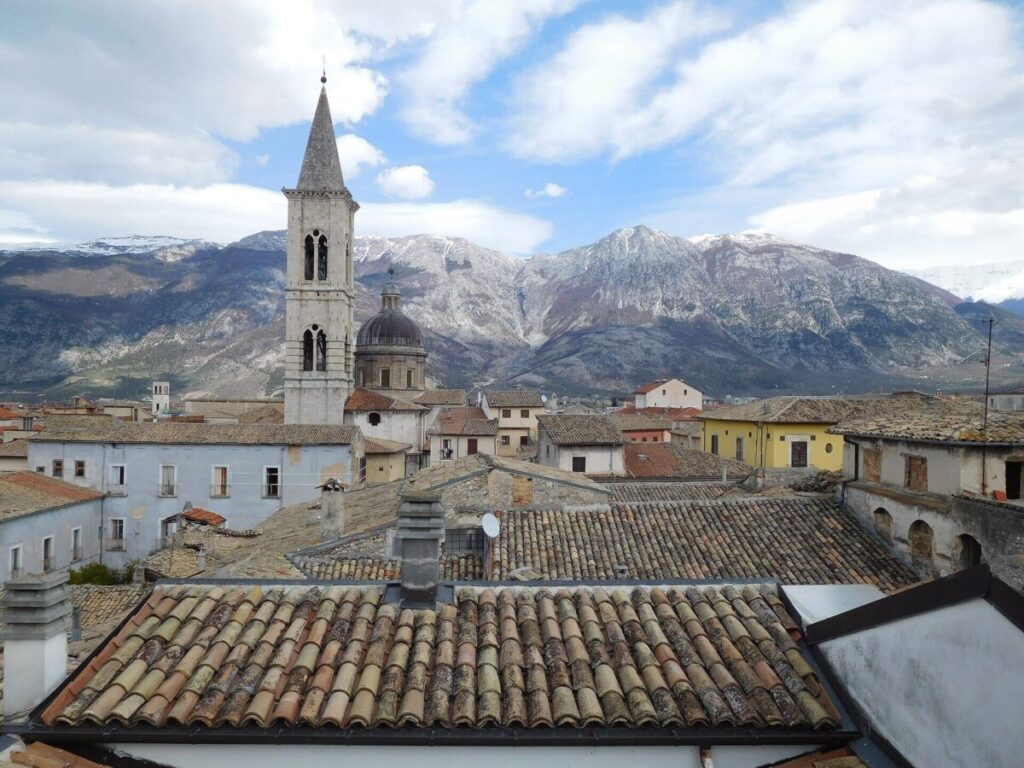
The Gran Sasso d’Italia, the highest peak in the Apennines at just over 9,500 feet, sits roughly an hour from where Cassie lives.
It’s quiet. It’s genuinely beautiful. And it’s not overrun.
The region also produces some of Italy’s most underrated wines, including Montepulciano d’Abruzzo, which you can pick up at a local shop for a few euros a bottle.
One Thing Worth Knowing
If you’re thinking about making a similar move, Abruzzo has become a real destination for Americans and other expats in recent years.
This is particularly true after several towns launched programs to attract new residents, sometimes offering grants or heavily subsidized housing.
The town of Pratola Peligna, for example, was offering homes for symbolic prices to buyers willing to renovate and move in. Not free, but close.
Cassie didn’t get a deal like that. She and her husband just found a region that suited them, figured out the paperwork, and went.
The Gran Sasso was already there waiting.