
Amsterdam’s New Tourist Rules: Fines, Bans, and a Campaign Telling You Not to Come
Amsterdam has always had rules. But the version that exists today looks nothing like the city most tourists think they’re visiting.
Over the past few years, the city has overhauled the way it handles tourist behavior. New fines. New bans. A campaign that literally tells certain visitors not to come.
If you’re planning a trip, you need to know what changed.
The Photography Ban
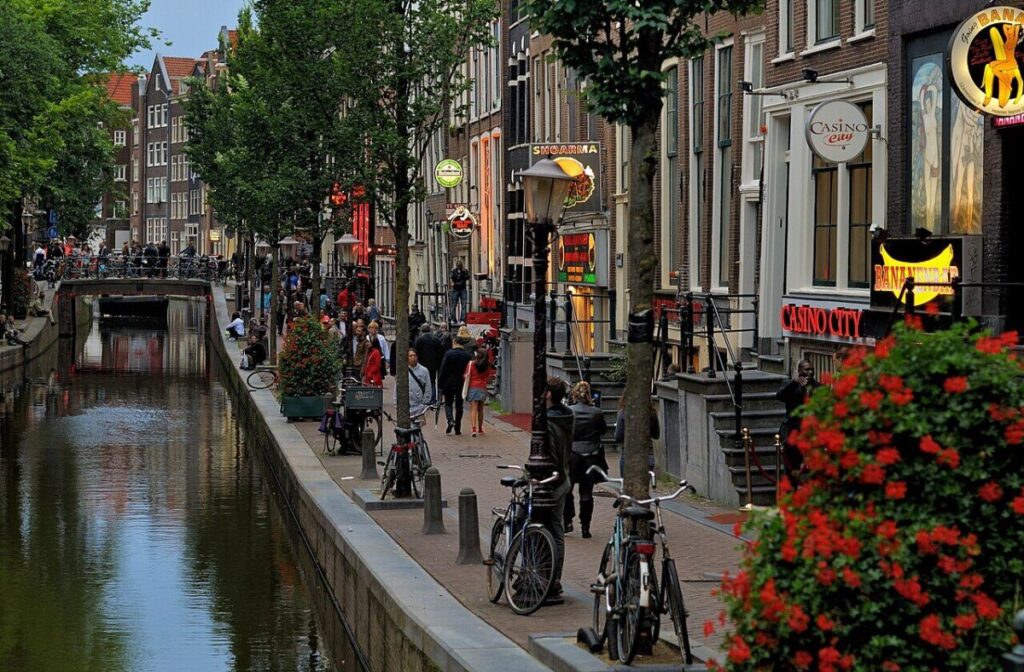
Inside the Red Light District, taking photos of sex workers in their windows is illegal.
Enforcement officers patrol the area, and the workers’ security staff can confiscate your phone or destroy it on the spot.
The law is there to protect the privacy of the people working in those windows, and it’s taken seriously.
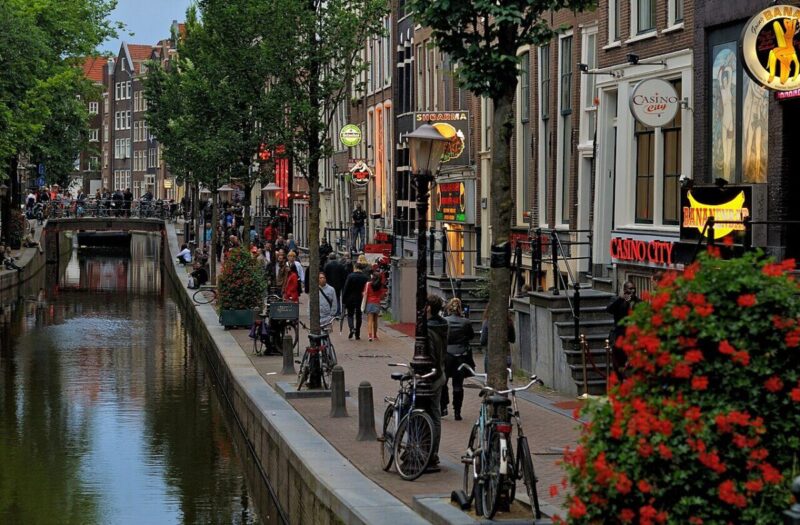
If you want to photograph De Wallen, aim at the canal bridges and architecture. The buildings are 600 years old. The canals are beautiful. There’s plenty to shoot without pointing your lens at someone’s workplace.
The Alcohol Rules
Drinking on the street in the Red Light District carries a €95 fine. The signs on the canal bridges make this clear. The plainclothes officers patrolling the area make this real.
From July 2026, a new rule added another layer: supermarkets, convenience stores, and off-licenses in the city center can no longer sell alcohol after 10 PM.
If you want a late drink, it has to come from a bar or hotel. The 11 PM beer run is no longer an option.
Public intoxication in tourist-heavy zones is actively policed. Getting visibly drunk enough to cause a nuisance can end with an overnight stay in a holding cell.
The Cannabis Rules
Cannabis is still legal in Amsterdam, but not everywhere in Amsterdam.
Since May 2023, smoking it in public in the Red Light District, Dam Square, the Damrak, and Nieuwmarkt has carried a €100 fine.
You have to be inside a licensed coffeeshop to consume legally. There are roughly 92 of them in the city center, so this isn’t a hardship.
But tourists still get caught outside every week.
Highest Tourist Tax in Europe
Amsterdam now charges the highest tourist tax in Europe. The rate sits at 12.5% of your nightly room rate, which works out to an average of around €22 per night.
As of January 2026, the national VAT rate on hotel accommodation jumped from 9% to 21%.
Combined with the city’s 12.5% tourism tax, the total tax burden on a hotel stay in Amsterdam now sits around 33.5%. That’s a meaningful addition to any hotel bill.
The city isn’t done. Plans are in place to raise the tourism tax incrementally to 20% by 2030.
The Airbnb Situation
If you were planning to stay in a private apartment rental, your options are tighter than they used to be.
Amsterdam caps Airbnb-style rentals at 30 nights per calendar year per property. The municipality actively monitors compliance.
Hosts who exceed the limit face fines starting at €11,600. In the city center and De Pijp, there are proposals to cut the cap further to just 15 nights per year.
Three central districts have banned vacation rentals entirely. If your booking is in Burgwallen-Oude Zijde, Burgwallen-Nieuwe Zijde, or Grachtengordel-Zuid, and it’s a private home rather than a licensed hotel, double-check it’s legitimate.
The “Stay Away” Campaign
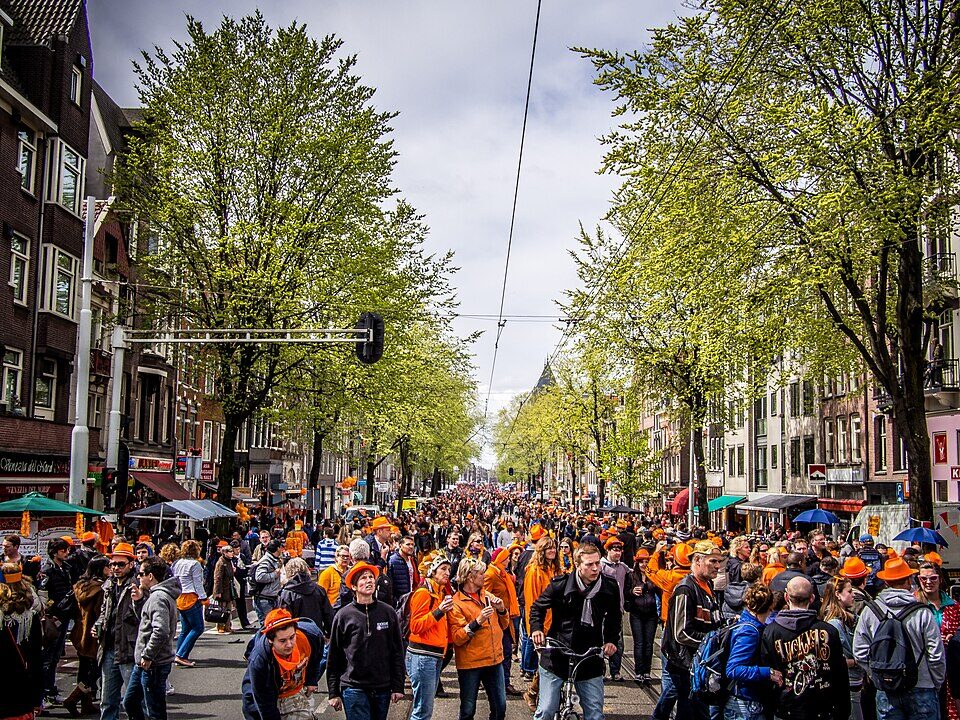
In 2023, Amsterdam ran targeted ads telling certain tourists to stay away. Not to be more respectful ot book museums, stay away.
The campaign targeted British men aged 18 to 35 who searched for terms like “stag party Amsterdam” and “pub crawl Amsterdam.”
The videos showed a tourist getting arrested. The city was direct about who the message was for.
Amsterdam records around 23.7 million overnight stays per year, well above the city’s own target of 20 million.
Pub crawls are now restricted. Bachelor party numbers are capped. Bar closing times in the Red Light District were brought forward.
The city also cut sea cruise calls at the main terminal from 190 per year down to 100, starting in 2026. Cruise passengers pay a day tax of €15 per person when they dock.
Before You Go

Amsterdam is still worth the trip. The Rijksmuseum, the canal houses, the cycling culture, the food scene: none of that went anywhere.
You just need to know the rules before you arrive, not after someone hands you a fine. No open containers in De Wallen. No photos of the windows. Cannabis only inside a coffeeshop.
And check your hotel rate closely, because the tax is not always included in the headline price you see online.
The city has 9,000 people living inside the 1012 postal code, sharing narrow canal alleys with millions of tourists every year. The rules exist because that math eventually stops working.