
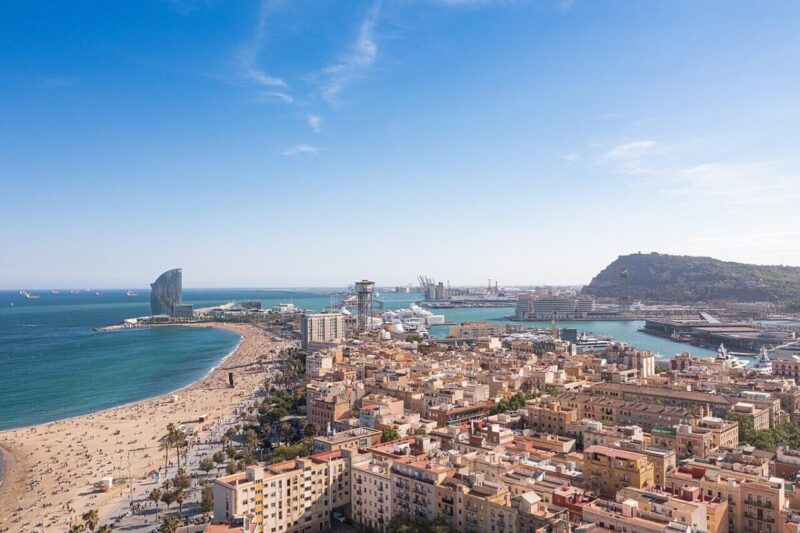
Barcelona’s Backlash: Should Americans Still Go?
Barcelona has been in full-on revolt against its own tourists for two years now.
Residents with water pistols spraying café terraces. Graffiti reading “tourists go home.” Thousands marching through the Gothic Quarter chanting “your holidays, my misery.”
You’ve probably seen the headlines. What you may not have heard is a clear answer to the question: what does any of this mean if you’re an American planning a trip there?
Why Locals Are Furious
Barcelona pulled in around 26 million overnight visitors in 2023. That’s more than three times the city’s entire population, every single year.
Housing costs have climbed 68% over the past decade. Locals who grew up in neighborhoods like El Born and the Gothic Quarter have been pushed out by rent inflation driven largely by short-term rentals.
La Rambla, which used to be where Barcelonans used to stroll, is now almost entirely tourists trying to figure out where La Rambla is.
The frustration is about a broken system, not about any one American on vacation.
What Changed in Barcelona
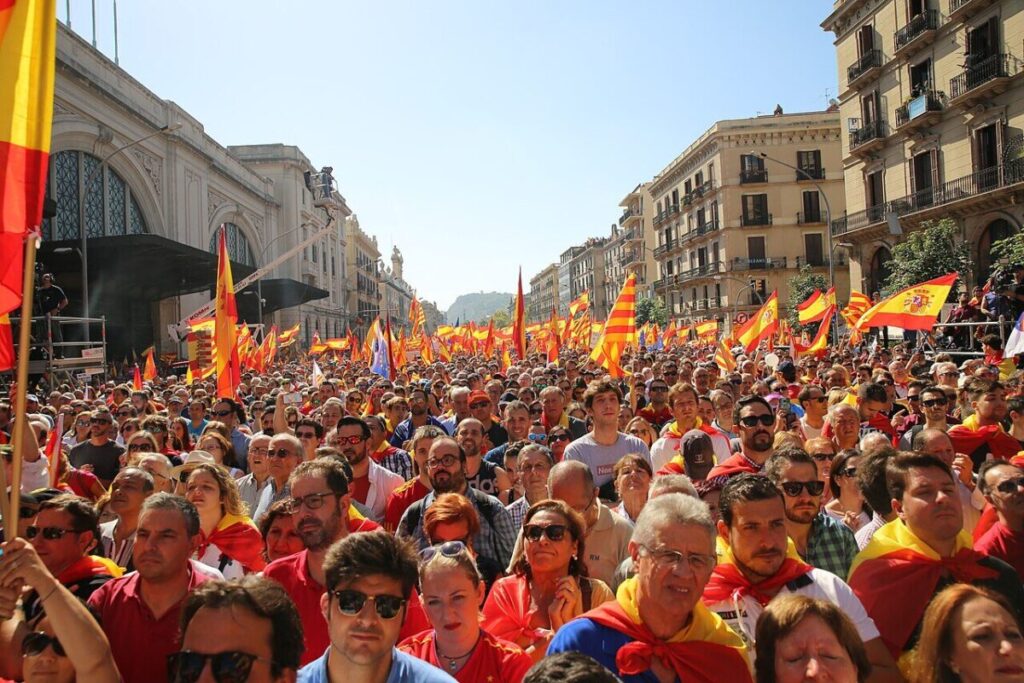
Barcelona isn’t just protesting, it’s also passing laws.
No new Airbnb or short-term rental licenses have been issued since 2025.
All 10,101 existing tourist apartment licenses expire in November 2028 and will not be renewed.
Spain’s Constitutional Court upheld the ban in March 2025. By 2029, you won’t be able to rent a residential apartment as a tourist in the city at all.
The tourist tax has also doubled. As of 2026, you’re paying between €7 and €12 per person per night depending on your hotel category, combining both city and regional fees.
For a couple at a mid-range hotel for a week, that’s an extra $150 to $190 on top of your bill before you’ve ordered a single coffee.
The city has also dropped “Visit” from its tourism agency’s name. Visit Barcelona is now just Barcelona Turisme.
Small, symbolic, but it tells you which direction things are heading.
The Neighborhoods to Avoid
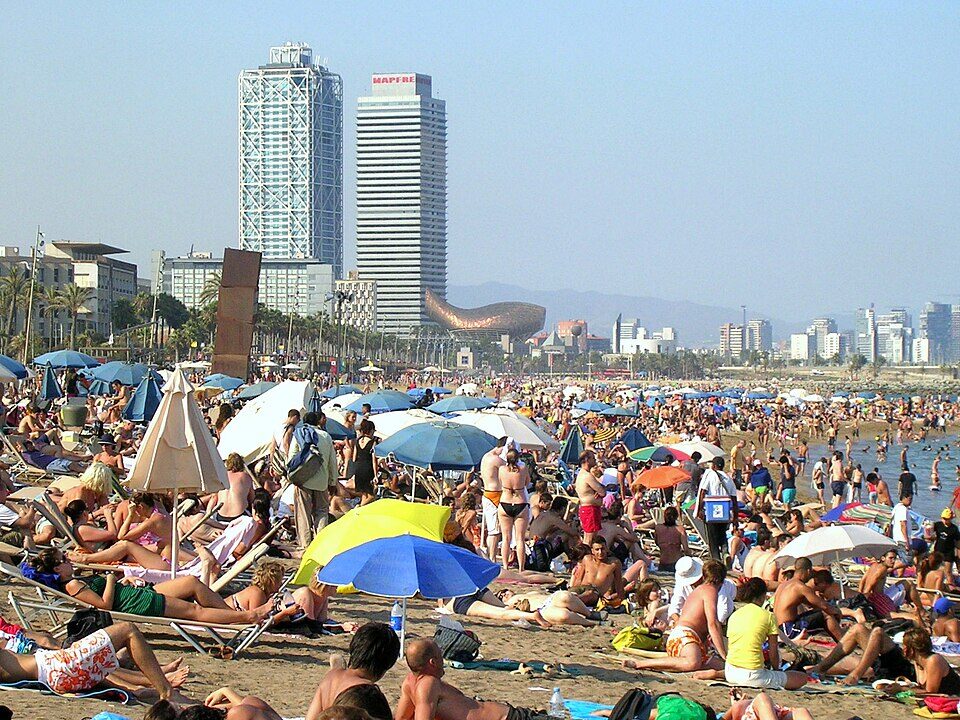
The tension concentrates in particular places. Barceloneta, the beachfront neighborhood closest to the cruise port, takes the heaviest foot traffic and the sharpest resentment.
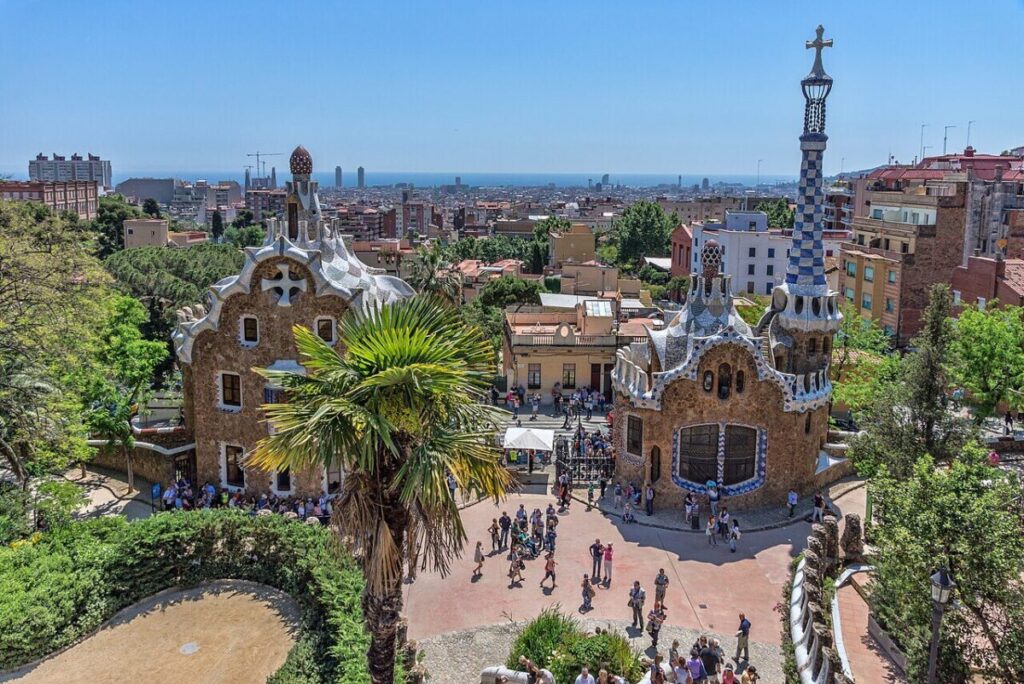
Park Güell has been a recurring protest site, with demonstrators targeting tourists directly at the entrance.
The Gothic Quarter and parts of El Born are where residents feel most displaced, and where anti-tourism graffiti is most visible.
That doesn’t mean those places are dangerous or that someone’s going to spray you with a squirt gun. But the atmosphere is different from what the Instagram grid suggests.
Eixample, Gràcia, and Poble Sec feel noticeably calmer. These are neighborhoods where people live, shop, and eat, and where a tourist is welcome but not the entire point.
Gràcia in particular has small plazas, local restaurants, and almost none of the souvenir shop density you find downtown.
Book Before You Travel
Park Güell now caps visitors at 1,400 per hour with timed entry slots. Tickets cost €18 per adult and sell out days ahead during peak season from April through October. You can’t just show up.
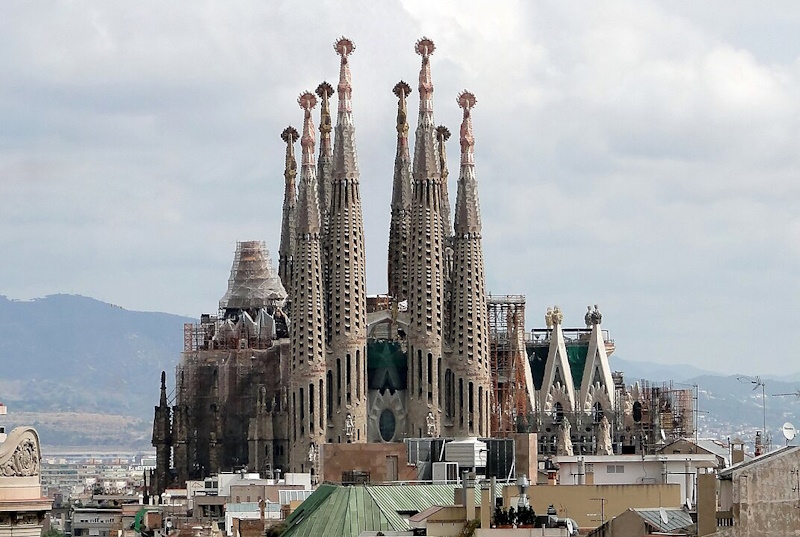
Sagrada Família is the same story. Tickets start around €26 and often disappear a week in advance.
With 2026 marking the centenary of Gaudí’s death, demand is running unusually high, and there’s an added centenary surcharge of €2 to €5 from June through December.
Book both before you leave home. This is not optional advice.
How Not to Be That Tourist
Stay in a hotel. A licensed hotel employs local staff, pays local taxes, and doesn’t take a housing unit off the market the way a tourist apartment does.
Eat away from the main drag. A meal on Las Ramblas costs more and tastes worse than the same dish three blocks into Eixample. This has been true for years.
Learn five words of Catalan. Not Spanish, Catalan. “Gràcies” goes further than “gracias” in a city that has fought for decades to protect its own language. Locals notice.
Go in spring or fall. July and August are when the water pistols come out. April, May, September, and October are when the city is still manageable.
Should You Still Go
Tourist arrivals in Barcelona dropped 13% year-over-year in June 2025, the steepest decline of any major Spanish city that period. Some travelers are already staying away.
The water pistol incident made global news. What didn’t: Barcelona still welcomed millions of visitors the same summer it happened.