
The Bayeux Tapestry’s £800M (€1BN) Journey
Why Its Loan to Britain Has Sparked a Cultural Storm
The Bayeux Tapestry is about to leave France for the first time in decades, and the decision has triggered one of the most heated heritage debates in recent years.
At the center of the controversy is a planned loan to the United Kingdom, an insurance value approaching one billion euros, and growing fears that a fragile medieval masterpiece is being put at risk.
Historic loan for a major renovation
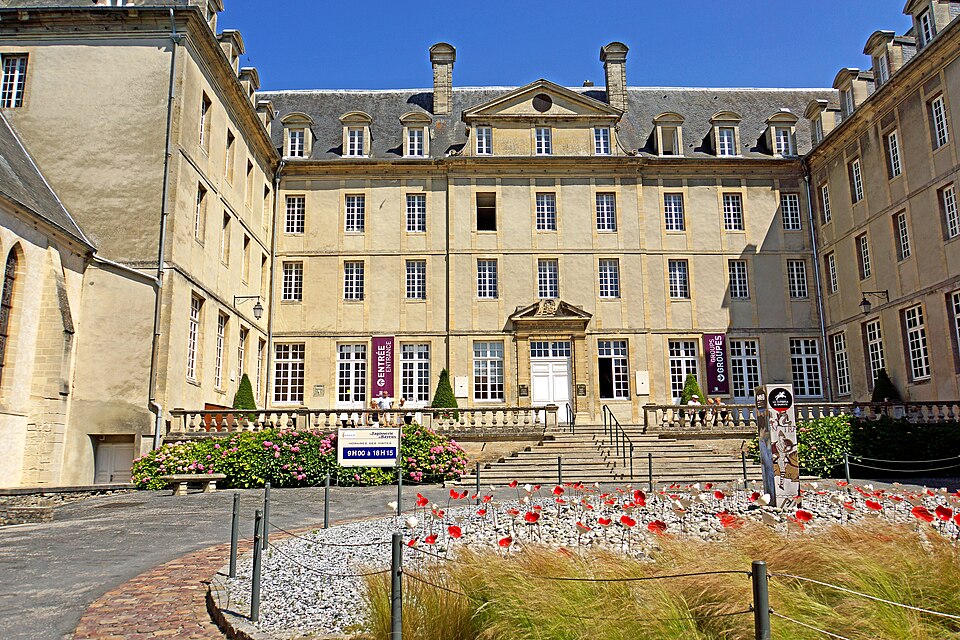
The loan is tied to the long-planned renovation of the Bayeux Tapestry Museum in Bayeux. While the museum is closed for works, French and British authorities agreed that the tapestry would be shown in London rather than remain in storage.
The loan is scheduled to begin in summer 2026 and run until late summer 2027, with the tapestry displayed at the British Museum.
The exhibition has already been presented as historic. The tapestry has almost never left Bayeux. Outside the town, it has been shown only twice: once in Paris in 1803 at Napoleon’s request, and once again in 1945 at the Louvre.
Insurance value close to 1 BILLION euros
What has shocked people is the scale of the insurance. According to figures reported by the Financial Times and acknowledged by the British Treasury, the transfer and loan are covered for around £800 million, roughly €917 million.
The amount still requires formal sign-off by the UK finance minister, but officials confirm it is of that magnitude.
The coverage is provided under the British Government Indemnity Scheme, a system where the state itself guarantees major artworks loaned to UK museums.
In practice, British taxpayers underwrite the risk. The insurance covers transport from Normandy to London, the entire exhibition period, and the return journey.
Experts are worried about the move
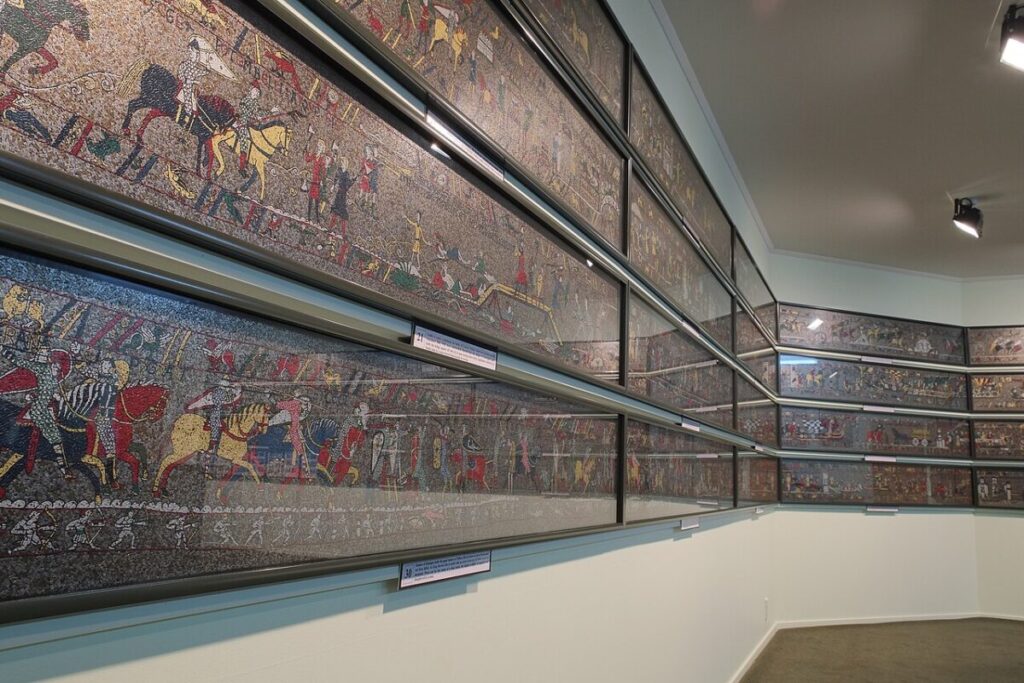
The Bayeux Tapestry is nearly 1,000 years old. It is embroidered on extremely fine linen and stretches almost 70 meters in length.
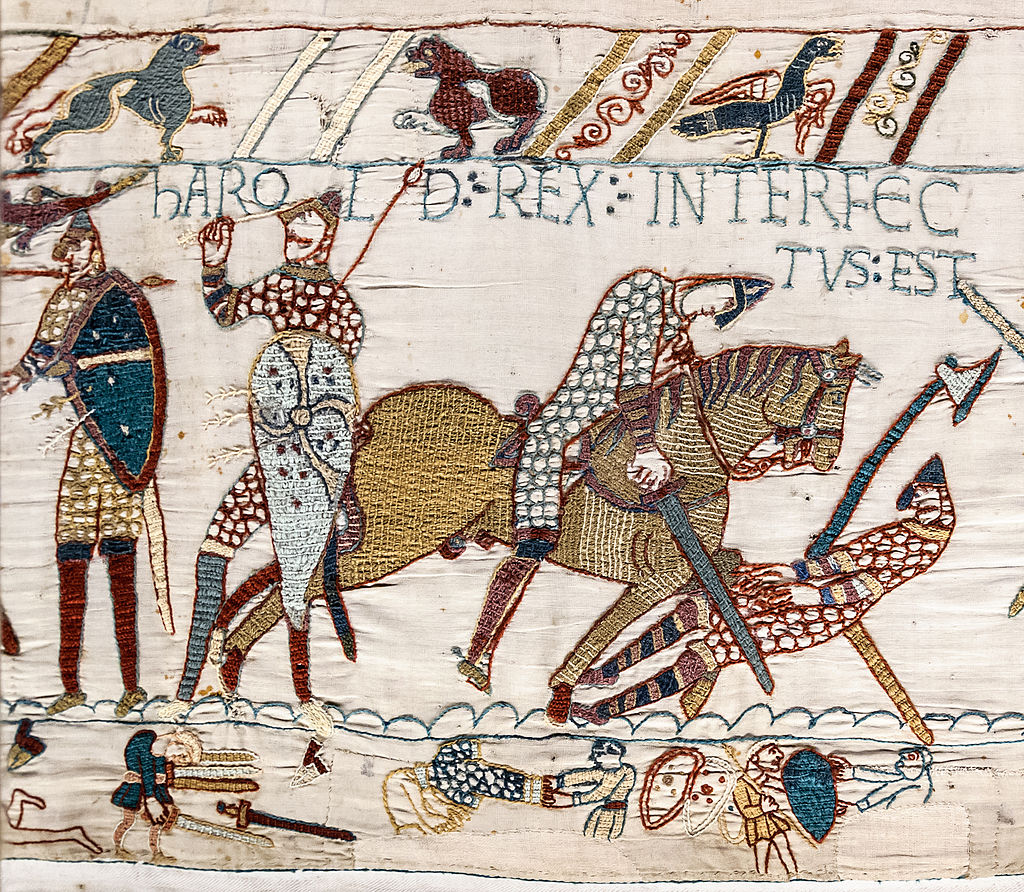
It recounts the Norman conquest of England and the Battle of Hastings in 1066, making it one of the most important narrative textiles in existence. It is also listed in UNESCO’s Memory of the World register.
For heritage specialists, age and uniqueness are exactly the problem. Moving the tapestry means exposing it to vibration, temperature changes, and handling risks that simply do not exist when it remains in its display case.
Critics argue that no exhibition, however prestigious, justifies taking that chance with an object for which there is no equivalent.
Transport vibrations are considered the main threat, as they can cause micro-tears or material loss in ancient textiles. Under the Franco-British agreement, vibrations must remain below two millimeters per second, an unusually strict threshold.
Temperature stability and security during transport are also under close scrutiny.
Test journey
Many technical details are still being negotiated, but several safeguards are already written into the agreement. Before the real transfer, a full test journey will be carried out using a reproduction of the tapestry.
Sensors will measure vibrations and environmental conditions throughout the trip to refine transport protocols.
The British Museum will cover the transport costs. Both the outward and return journeys must meet the same conservation standards.
Even so, specialists opposing the loan insist that a test with a replica cannot fully predict how a millennium-old textile will react.
Petition and growing public backlash
Opposition has moved well beyond expert circles. On 13 July 2025, the art and heritage outlet La Tribune de l’Art launched a petition against the loan. One month later, it had gathered more than 36,000 signatures.
The petition argues that the risk of damage outweighs the cultural and diplomatic benefits of the exhibition.
Didier Rykner, the publication’s editor, has been blunt in his criticism, warning that the tapestry could deteriorate or tear during transport and stressing that it is a unique object with no substitute.
Not everyone in Bayeux opposes the move. Local officials have pointed out that during the renovation, the tapestry would otherwise remain crated and unseen.
Sending it to London keeps it accessible to the public and maintains international attention on Bayeux, its museum, and its heritage.
Since President Emmanuel Macron announced the loan in July, interest has surged. Visitor numbers in Bayeux have reportedly reached more than 3,000 people per day, as many rush to see the tapestry before it leaves.
Final words
The Bayeux Tapestry’s upcoming journey brings together diplomacy, conservation science, politics, and public emotion.
The financial scale of the insurance highlights how extraordinary the object is, but it also underlines what is at stake if anything goes wrong.
As preparations continue, the debate shows no sign of fading. Does global access justify the risk taken with one of Europe’s most fragile and irreplaceable works?