
This Boston Couple Bought a $4.7M Provence Vineyard Without Seeing It
Amy Villeneuve spent years as COO of Kiva Systems, the warehouse-robotics company Amazon bought for $775 million.
Pierre Villeneuve was a research scientist at MIT who contributed to more than 25 patents before starting his own companies.
In May 2021, they spent $4.7 million on a 70-acre vineyard in Provence.
They’d never set foot on the property. The French borders were closed because of Covid. All they had were photos and drone footage from their realtor.
“Would we, as advisers to startups, have advised us to do this?” Amy said later. “No.”
They Did It Anyway
The couple lived in Back Bay, Boston. Their kids were in college. They’d spent 25 years in the Boston tech scene and were looking for a new challenge. So they started researching vineyards.
They looked at nearly 20 properties in France before Covid hit, kept looking during lockdowns, and eventually landed on a 70-acre estate in Puyloubier, a small town at the foot of the Sainte-Victoire mountain in Provence.
Old vines. Clay and limestone soil. About 1,000 feet of elevation. Pierre, who grew up in Quebec, speaks fluent French. That helped.
The moment French borders reopened in June 2021, they got on a plane.
Building It From Scratch
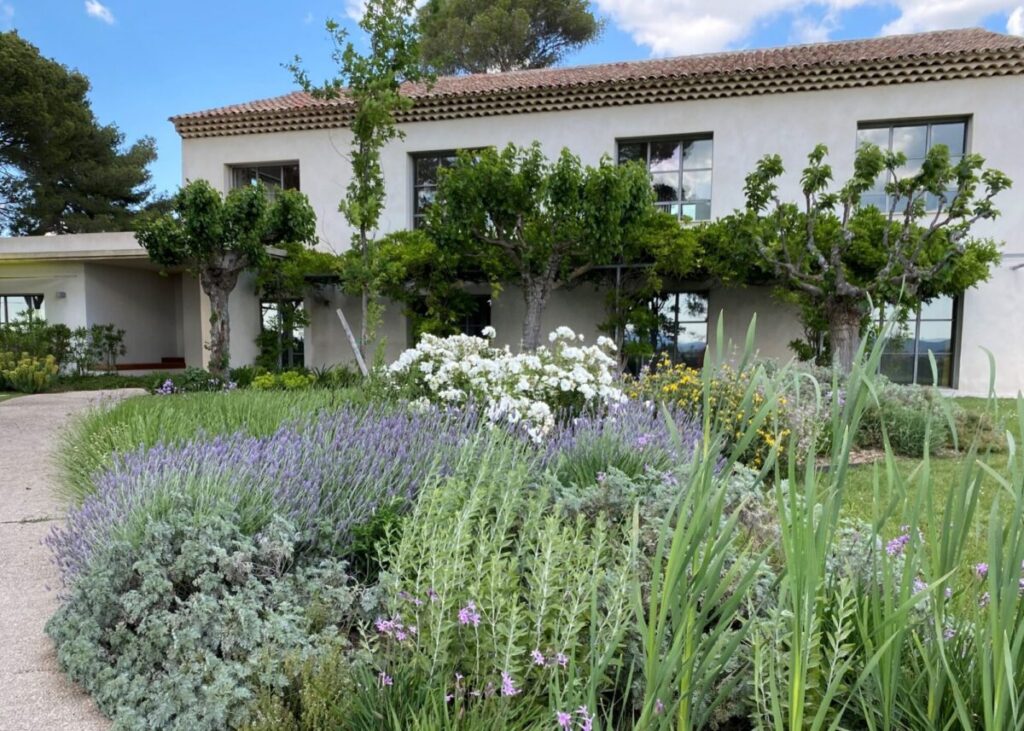
The vineyard had no winemaking facility. So they hired an architect and built one at a cost of $3.8 million. It was finished just in time for the September 2022 grape harvest.
Meanwhile, Pierre needed bottles to show potential importers. He filled samples by hand using a SodaStream machine to push carbon dioxide into the bottles so the wine wouldn’t oxidize.
A neighbor let him slip a few bottles onto their production line to get them corked. Pierre pressed the labels on himself.
They produced 10,000 bottles of that first rosé. Their importer, Provence Wine Imports of Plymouth, committed to 7,200 of them.
There’s a saying in wine country: the way to make $1 million in the business is to start with $2 million. The Villeneuves went in knowing that.
The Wine Itself
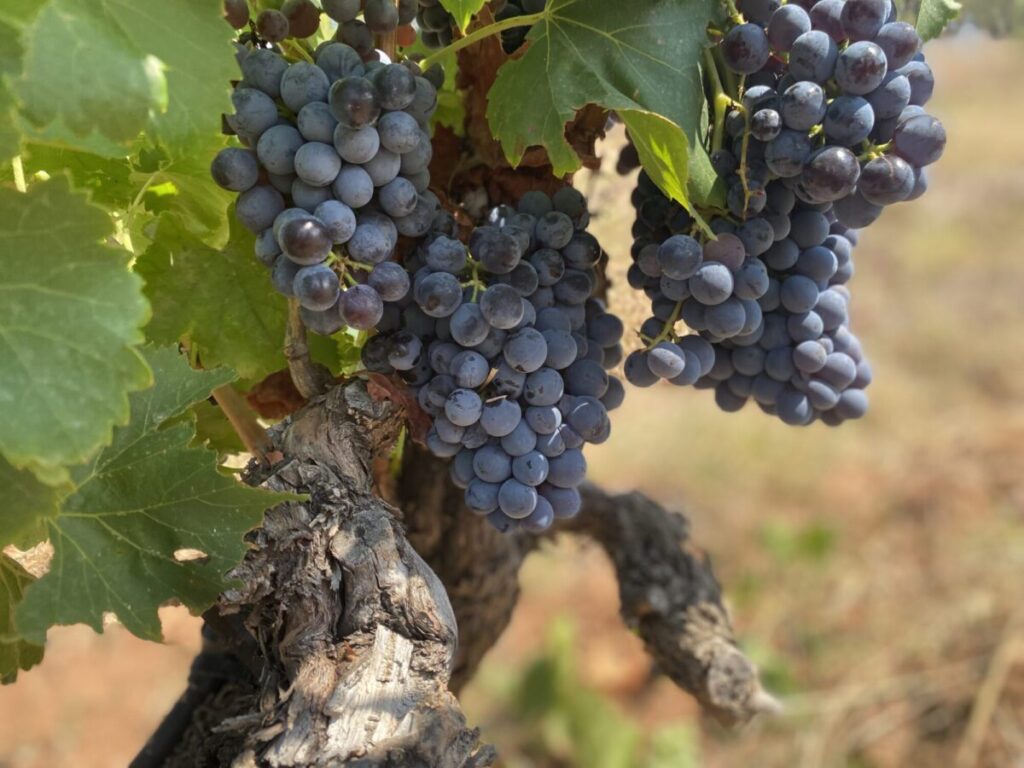
Their estate is called Domaine Travelle. The name was choice number 300. The first 299 were already taken by other wine businesses in France or the US.
Amy said it works in both languages: it sounds like “travel” in English, and like “travail” — which means work in French. “Both are appropriate,” she said.
The wines now range from $18 to $25 and are available at dozens of stores in Greater Boston.
The flagship is the Côtes de Provence rosé, a blend of syrah, grenache, and cinsault. Pale salmon in color, with berry and citrus aromas and a crisp finish.
The 2024 vintage earned a star in the Hachette Wine Guide, one of France’s most respected wine references. The reds scored 92 points from James Suckling in 2025.
In a region where 90% of all wine produced is rosé, the Villeneuves are also making whites and reds.
The 2025 Tilia White uses clairette and rolle grapes, two varieties you rarely see in American wine shops. It comes across as crisp and mineral, with grapefruit and lemon.
Their 2024 Les Mûriers is oak-aged and medium-bodied, with fruit-forward flavors and a peppery edge.
Their goal from the start: to make wines that are fun to drink, and to not lose money. They expected to be close to break-even by 2025.
The winemaking facility they built can produce up to 150,000 bottles a year. They’re not there yet.
Final Words
Today, the Villeneuves split their time between their Back Bay apartment in Boston and Puyloubier. Their kids are grown, and the vineyard has become the family’s new gathering place.
Harvest season in Provence beats Thanksgiving in Boston by a wide margin. It’s a long way from Amazon robotics and MIT patents.
More information: domainetravelle.com.