
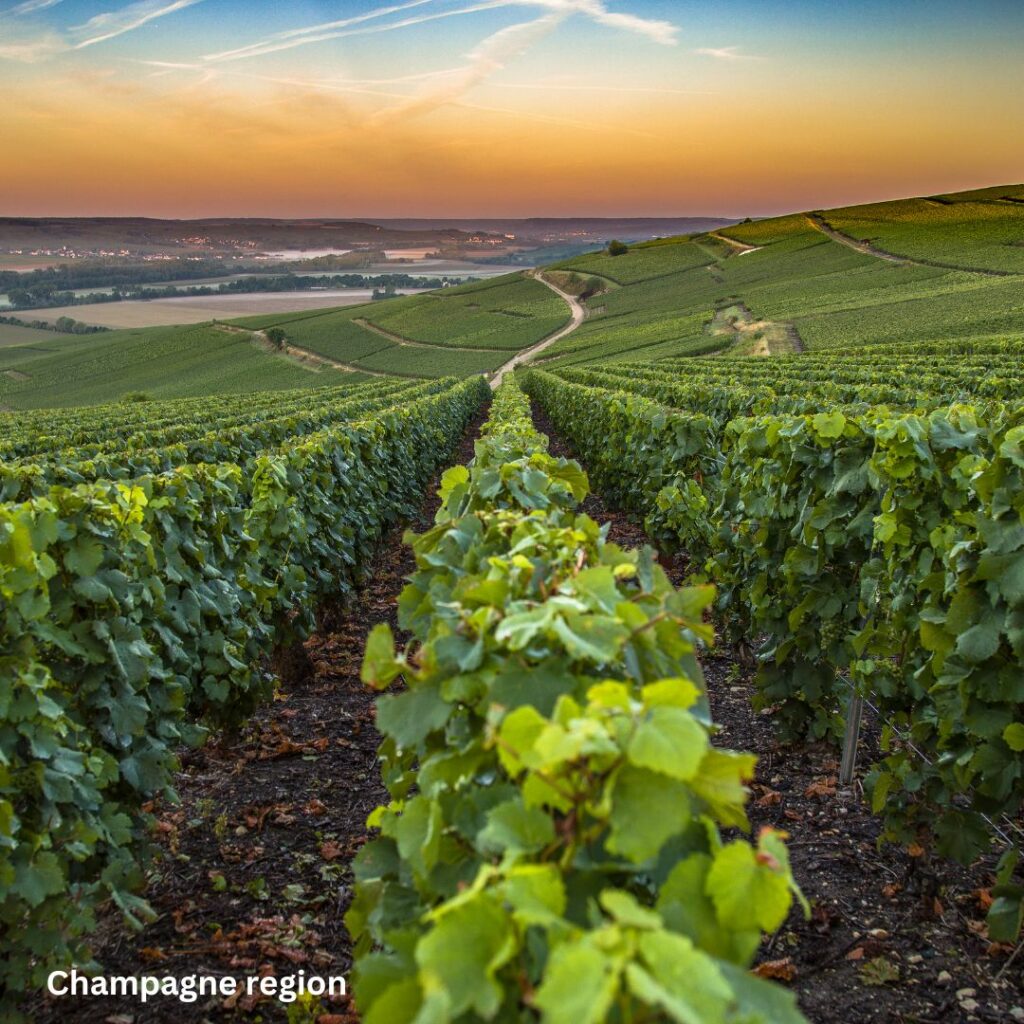
Why Champagne Deserves More Than a Day Trip
Paris to Reims takes 45 minutes on the TGV. Which is exactly why so many people treat Champagne as a commute rather than a destination.
They hop off the train, rush through two cellar tours, eat lunch standing up somewhere near the station, and sprint back in time for a 6pm departure. They’ve technically been to Champagne. They’ve missed it.
Two days changes everything.
Day One: Start in Reims
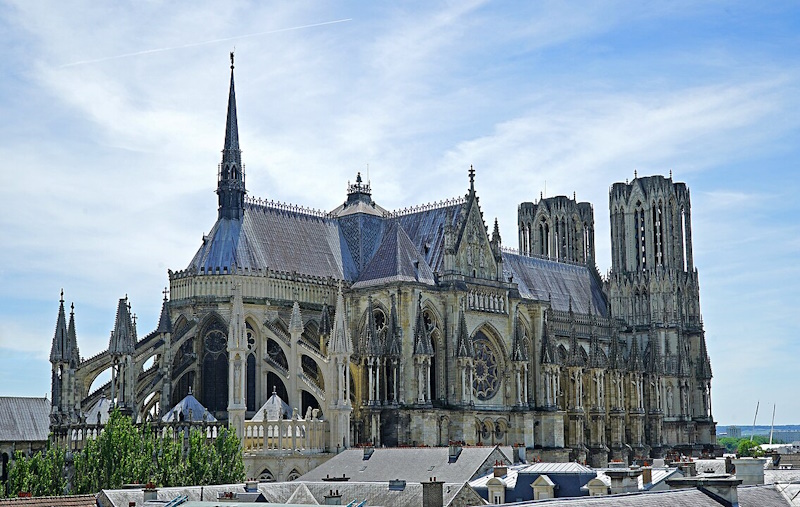
Reims is where France’s kings were crowned for 1,000 years, and you can feel that history the second you walk into the cathedral.
Notre Dame de Reims is a Gothic stunner that dates to the 1200s and survived both World Wars. It is enormous. Stand outside first, then inside.
From there, you have a real morning to explore. Pommery is a short tram ride south of the city center and offers one of the most dramatic cellar experiences in the region.
The chalk tunnels run 30 meters below ground and the house has carved the walls with massive sculptures. Plan about 90 minutes for the visit, including a tasting.
Back in the city center, lunch at Place Drouet d’Erlon is the move. This is Reims’s main square, lined with cafés where locals eat.
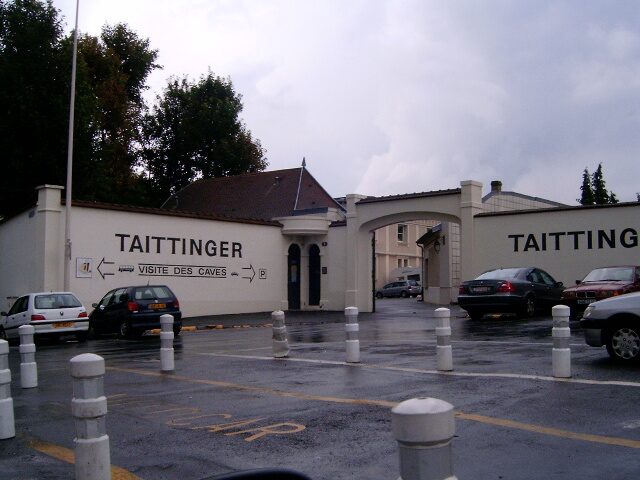
For a second cellar visit, Taittinger is worth it. Their caves were originally built into 13th century Benedictine monk cellars and hold around 3 million bottles at any given time.
It is a different scale and feel from Pommery.
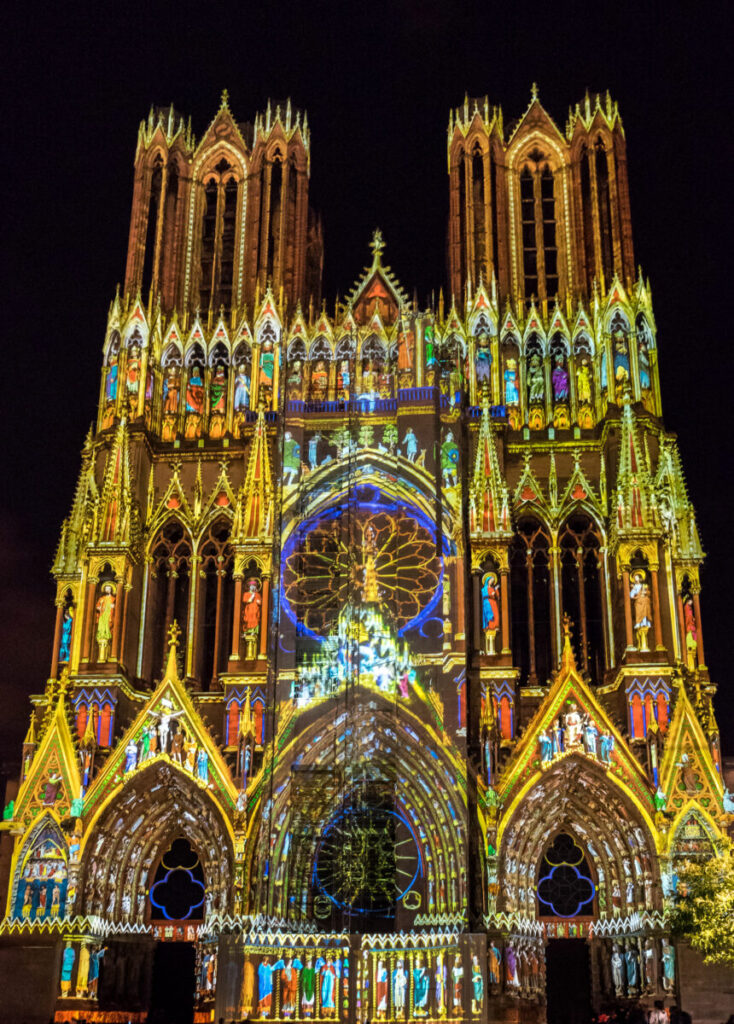
The reason to stay overnight? The light show. After dark, the cathedral façade comes alive with a projection mapping show that covers the full front. It runs in summer through early fall, and it is genuinely spectacular.
If you want to sleep in Reims, Domaine Les Crayères is the place. It sits in its own gardens less than 200 meters from Champagne Pommery.
Travelers describe rooms as quiet, immaculately kept, and unlike any standard hotel experience. Many feel like they’re stepping into a French fairytale. Rates start around $520 per night.
Day Two: Epernay
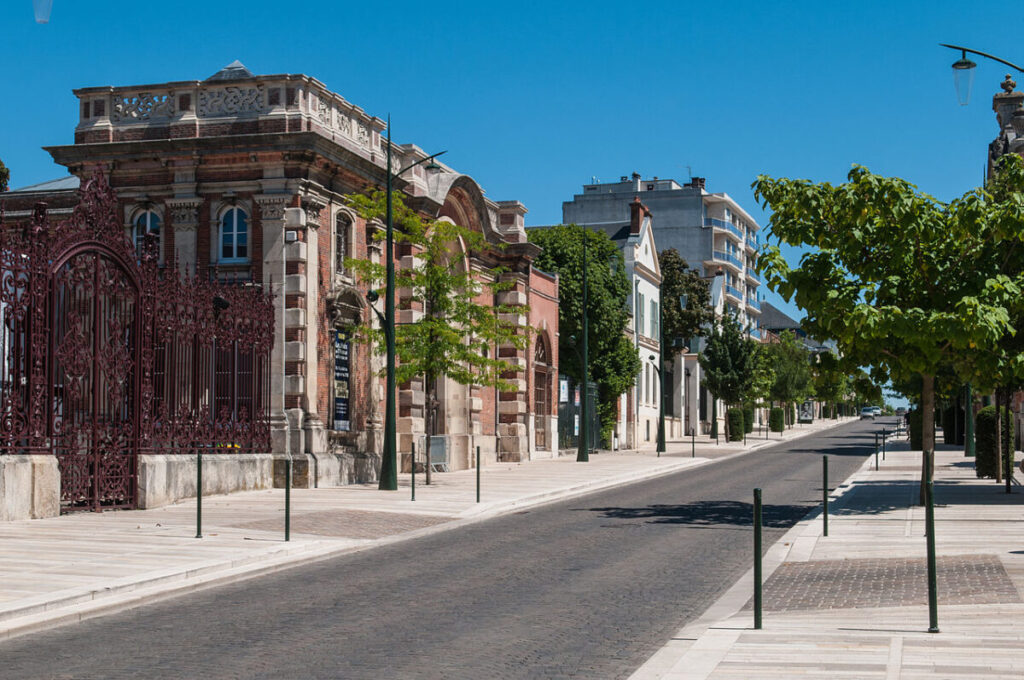
The train from Reims to Epernay takes about 34 minutes and costs under $10. You don’t need a car for this leg.
Épernay is smaller, quieter, and more focused. It is essentially one address: Avenue de Champagne.
This is where Moët & Chandon, Pol Roger, Perrier-Jouët and others park their grand façades, one next to the other, above 110 kilometers of chalk cellars. The UNESCO designation covers the whole thing.
Moët & Chandon is the obvious first stop. Their cellar tour runs about 90 minutes through 28 kilometers of tunnels and ends with a tasting.
Book in advance. There is usually no walk-in availability during high season.
After the tour, the avenue is completely walkable. Most houses are clustered within a 10-minute stroll of each other.
From Épernay, Hautvillers is a short drive or taxi ride into the vineyards. This is the village where Dom Pérignon worked as cellar master at the Benedictine abbey from 1668 until his death in 1715.
His tomb is in the abbey church, which is open to visitors. The views over the Marne Valley from the belvedere above the village are worth the trip on their own.
For your second night, La Villa Eugène sits directly on Avenue de Champagne in a 19th century mansion that once belonged to the Mercier family. It has a pool, 15 rooms, and the kind of garden-quiet atmosphere that disappears by 9pm when the avenue empties out.
Multiple travelers describe it as the best option in Épernay, and the walking access to the houses means you don’t need to arrange any transport at all.
A Day Trip Won’t Do It
By the time a day-tripper from Paris arrives in Reims and books their first cellar tour, it’s already 11am. By the time they finish lunch and start a second visit, the afternoon is half gone.
The train back creates a hard wall at whatever time they need to catch it. The result is a rushed version of a slow place.
Champagne is built around the idea of letting things develop. The bottles sit in those chalk tunnels for years before release. Two days gives you enough time to feel what that means.