
Eight Countries Where Europe Finally Gets Affordable
Europe is expensive. Until you realize it really isn’t, depending on where you go.
The price gap between countries on this continent is staggering. A comfortable day in Switzerland runs around $250. That same day in Serbia costs $25. Different planet for your wallet.
Here are eight countries where your dollar really goes far in 2026, ranked from cheapest to priciest.
1. Serbia
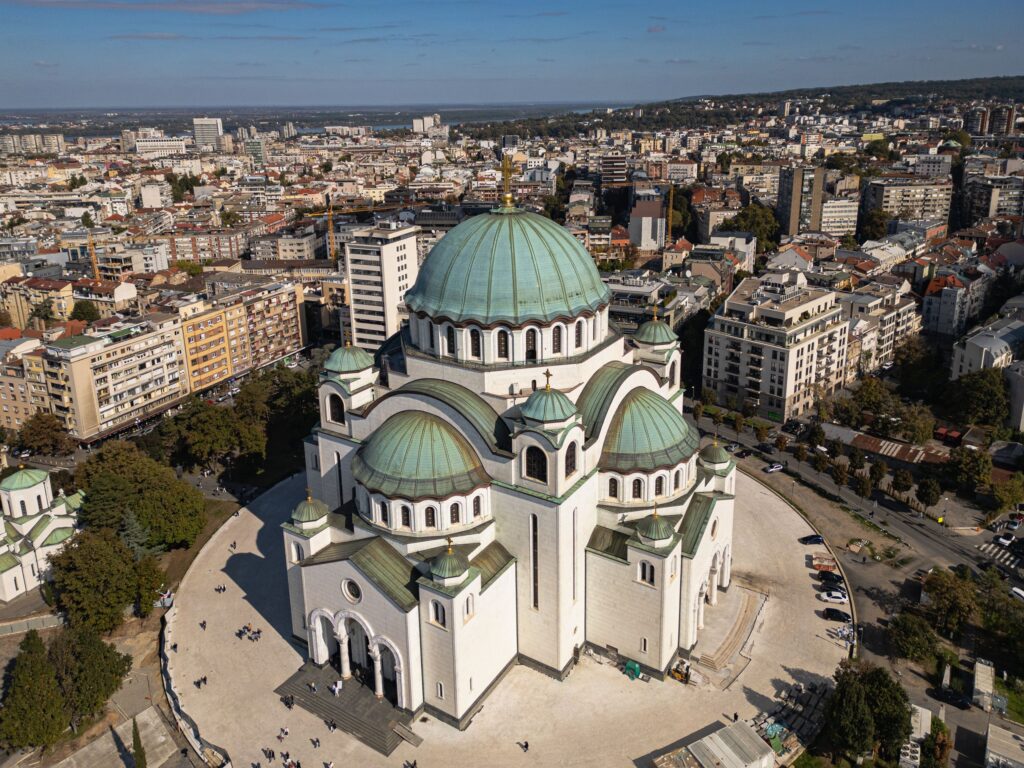
Belgrade ranks as the cheapest capital city in Europe by average daily cost, sitting at around $42 per day across all traveler types. Dedicated budget travelers do it for $25 to $35.
The city is raw and energetic in a way that the more polished tourist capitals aren’t.
Where the Danube and Sava rivers meet, the city has a dramatic natural setting. The floating river clubs on the Sava offer a nightlife experience that doesn’t exist anywhere else.
A plate of cevapi, grilled minced-meat sausages with cream cheese and flatbread, runs about $4 and counts as a full meal.
Serbia still uses the Serbian dinar, so exchange money at official exchange offices downtown for the best rates.
2. Albania
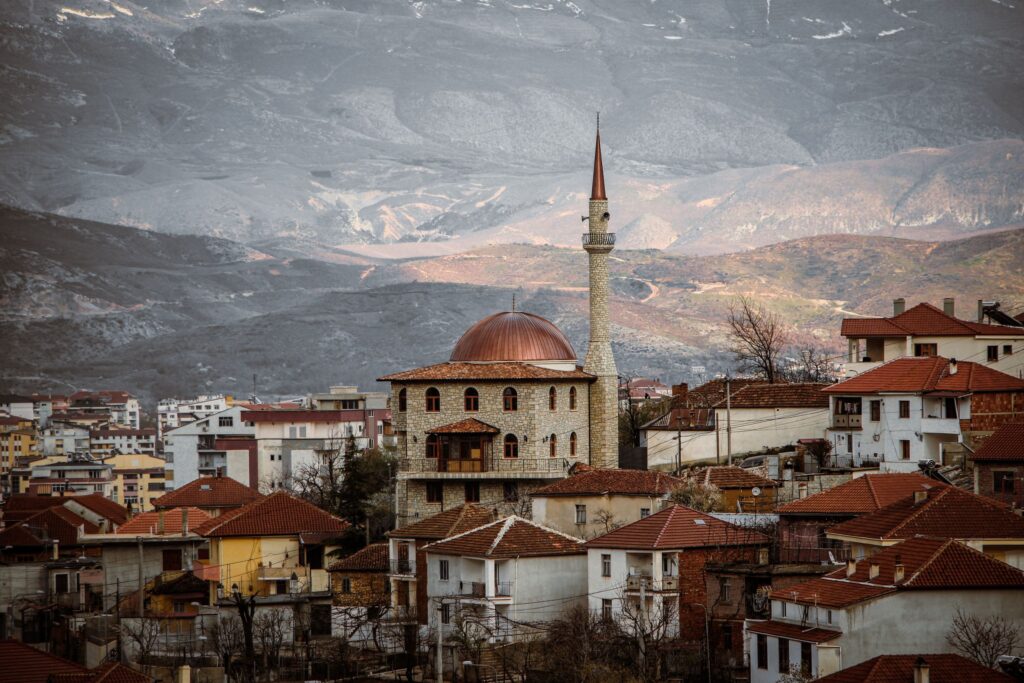
Albania is Europe’s best-value destination in 2026. Budget travelers manage on about $40 to $50 per day. Mid-range comes in at $55 to $85.
That mid-range figure buys you an experience that would cost two to three times as much in Greece or Croatia.
The Albanian Riviera has the turquoise water that people go to Greece for, but without the crowds or the prices.
Tirana is cheap and walkable. Berat and Gjirokastra are two of the most beautiful old towns on the continent, and neither one has been overrun yet.
One thing to know: the coast in July and August is significantly more expensive than the rest of the country. Ksamil in peak season is no longer the bargain it once was.
Go in May or October if you want the beaches without the summer markup.
3. Bulgaria
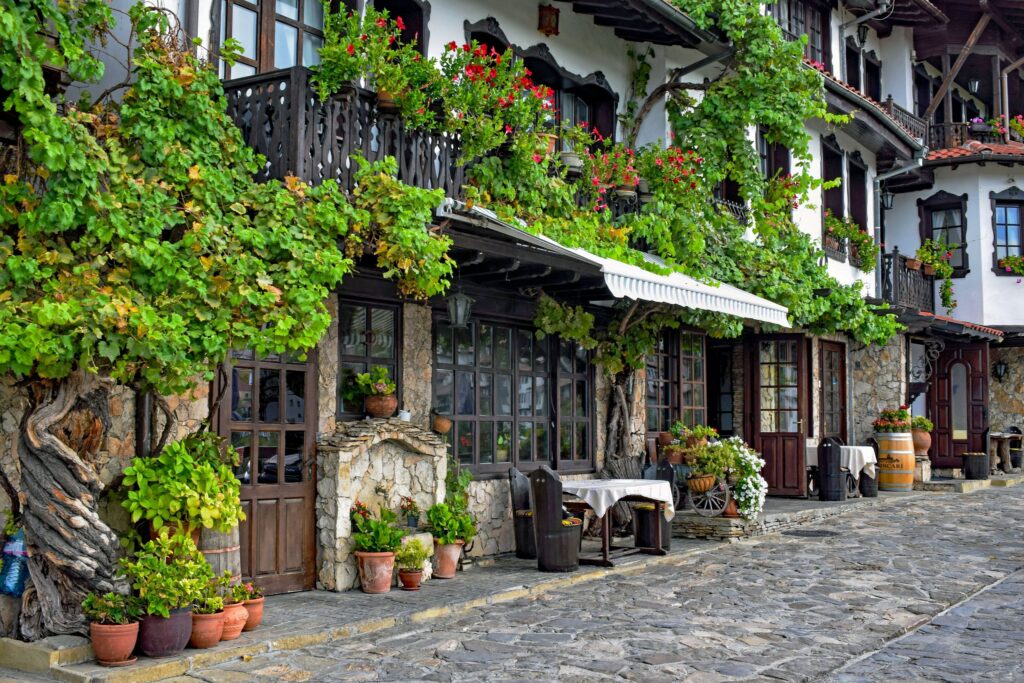
Bulgaria joined the eurozone in January 2026, which streamlined transactions but hasn’t yet pushed prices up significantly. Daily budgets run $25 to $50 for backpackers and $60 to $100 for mid-range travelers.
In Sofia, budget travelers average around $52 per day, with hostel beds from $11 to $15, metro tickets under $1, and full restaurant meals for $8 to $12.
The city sits at the base of Vitosha Mountain, which means you can hike in the afternoon and be back in a bar by evening.
Plovdiv is worth the bus ride from Sofia. It takes about two hours, costs under $10, and has one of Europe’s best-preserved Roman theatres alongside a truly lovely old town.
4. Poland
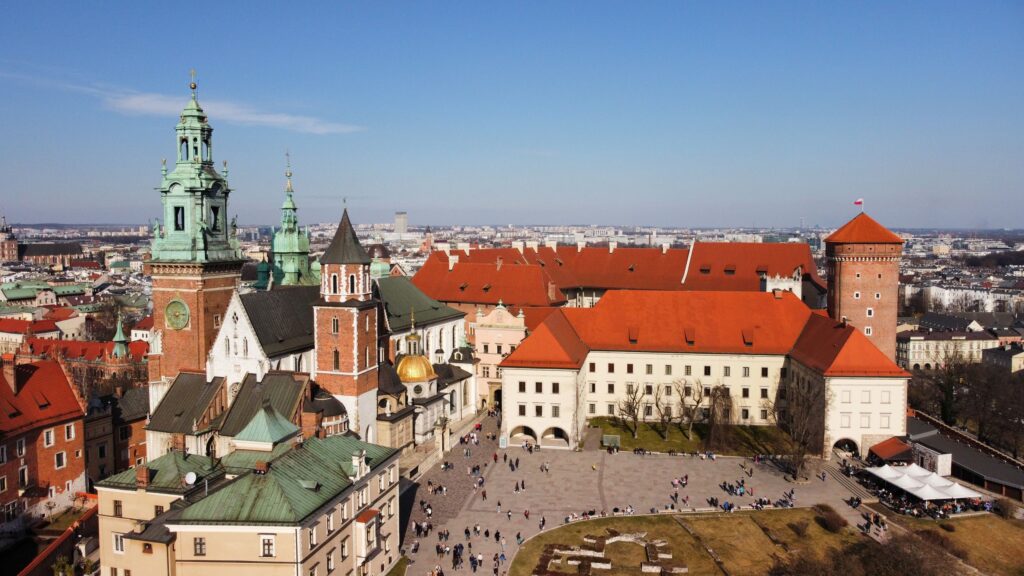
Poland runs $35 to $55 per day for budget travelers and $70 to $100 for mid-range.
Food costs 40 to 50% less than in Germany or France. The rail network between cities is cheap and reliable.
Krakow is the entry point for most visitors and it earns its reputation. The medieval market square is one of the largest in Europe. The proximity to Auschwitz makes it a sobering but important day trip.
Warsaw has a history embedded in every rebuilt street, and it’s genuinely interesting to walk.
One tip: the milk bars, called Bar Mleczny in Polish, are communist-era canteens still serving complete traditional meals for $5 to $7. They’re not tourist traps, they’re where Poles eat lunch.
5. Hungary
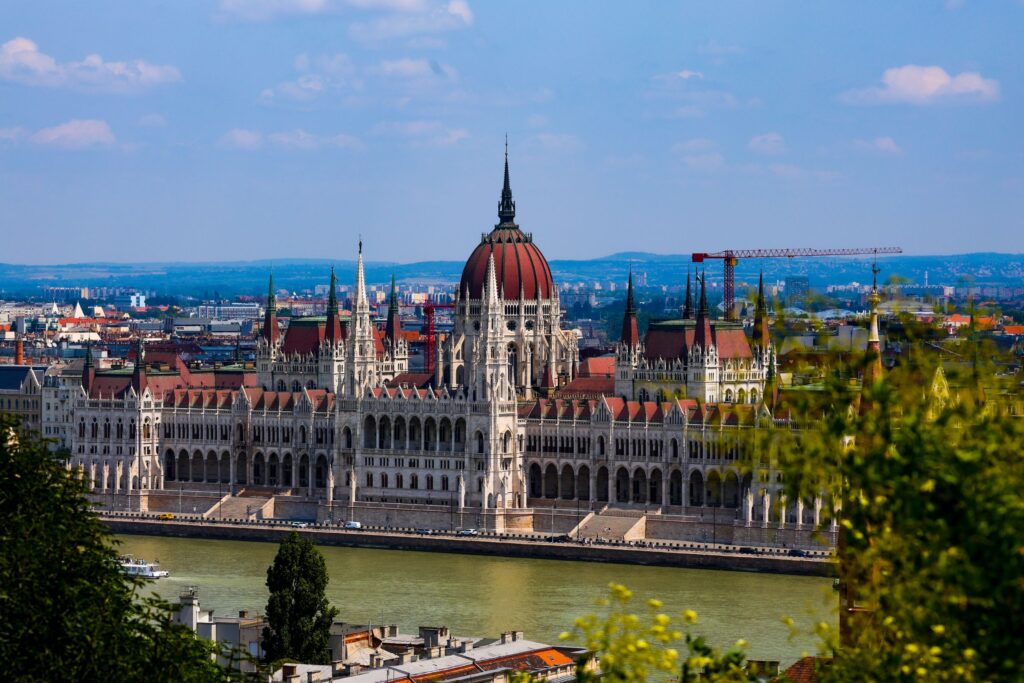
Budapest runs $35 to $55 per day on a budget and is one of the great underrated European cities for Americans.
The thermal baths alone would be worth the trip, and entry to Szechenyi or Rudas costs under $20.
Meals in Budapest run 30 to 40% less than in Western European capitals. A beer costs about what a coffee costs in London.
The ruin bars in the Jewish Quarter, built inside crumbling 19th-century buildings, have become something people fly here specifically to experience.
With the Hungarian forint, your dollar goes about 40% further here than in Paris or Amsterdam for the same quality of hotel and restaurant.
6. Czech Republic
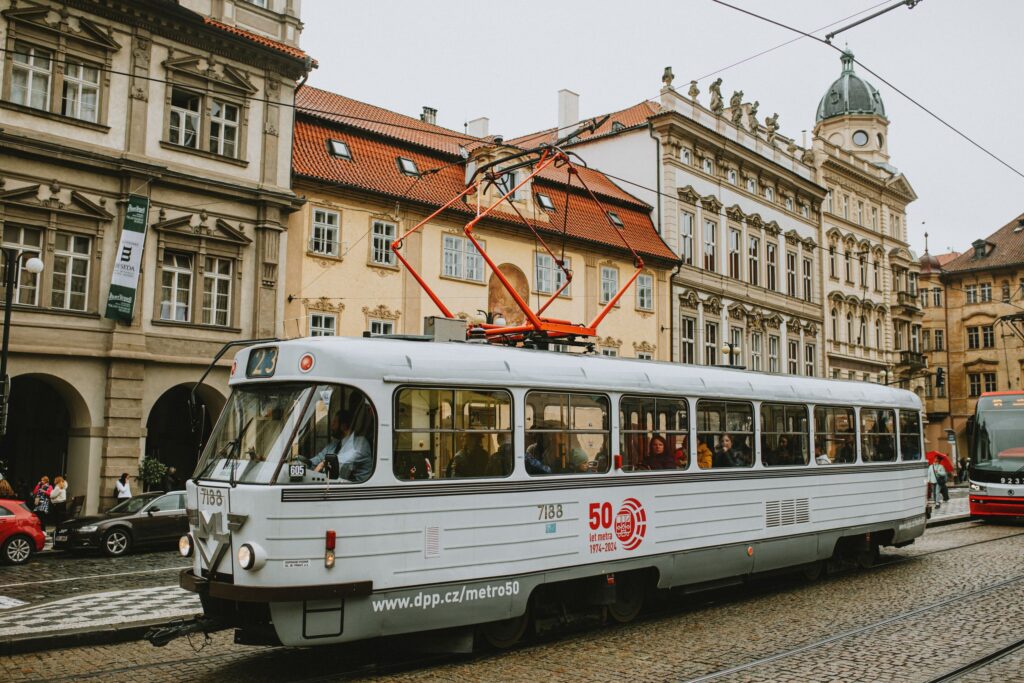
Prague comes in slightly higher than the others at $45 to $65 per day for budget travel, mostly because its popularity has pushed accommodation prices up over the years. It’s still dramatically cheaper than Western Europe.
The old city is really beautiful. Prague Castle, Charles Bridge, and the Old Town Square are as impressive in person as the photos suggest.
A beer at a local pub costs around $2. A sit-down lunch in a neighborhood restaurant runs $8 to $12.
If you step outside Prague to places like Cesky Krumlov or Brno, prices drop considerably and the crowds thin out fast.
7. Croatia
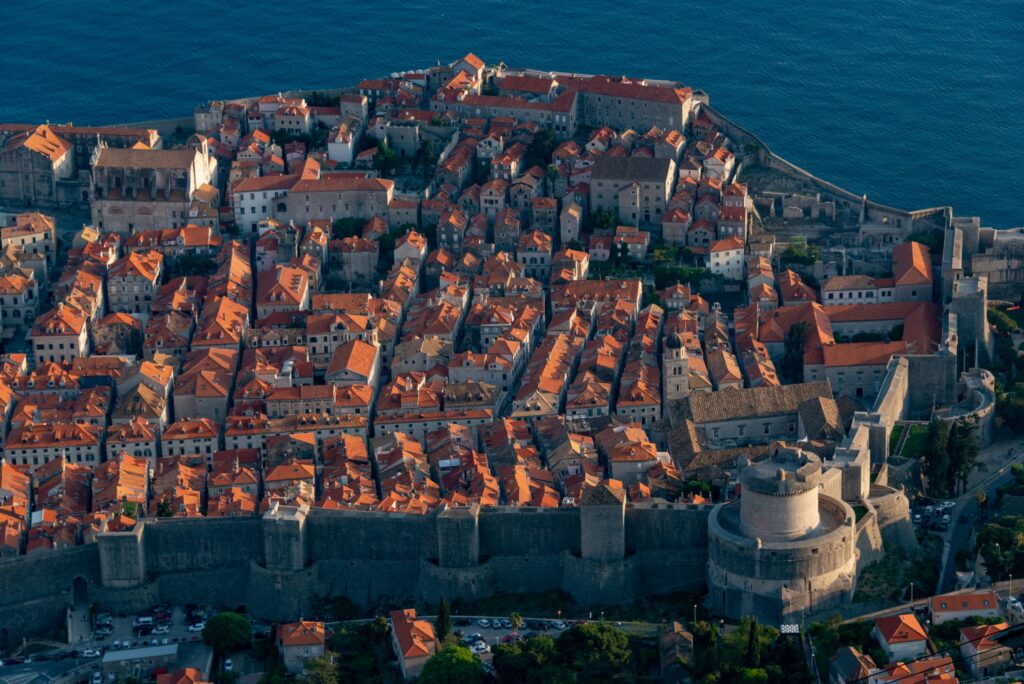
Croatia is pricier than the rest of this list. Budget travelers manage $45 to $65 per day, and mid-range runs $85 to $150. That’s a real step up from Serbia or Albania.
What pushes the cost up is accommodation, particularly in summer, and particularly in Dubrovnik. Dubrovnik is beautiful and worth seeing, but it costs two to three times more than Split or Zadar for equivalent experiences.
Base yourself in Split and day-trip to Dubrovnik if you want to control the budget.
The Adriatic coastline and the national parks, particularly Plitvice Lakes, have scenery that belongs on a completely different level.
Croatia is more expensive than its neighbors, but it’s also offering something different.
8. Portugal
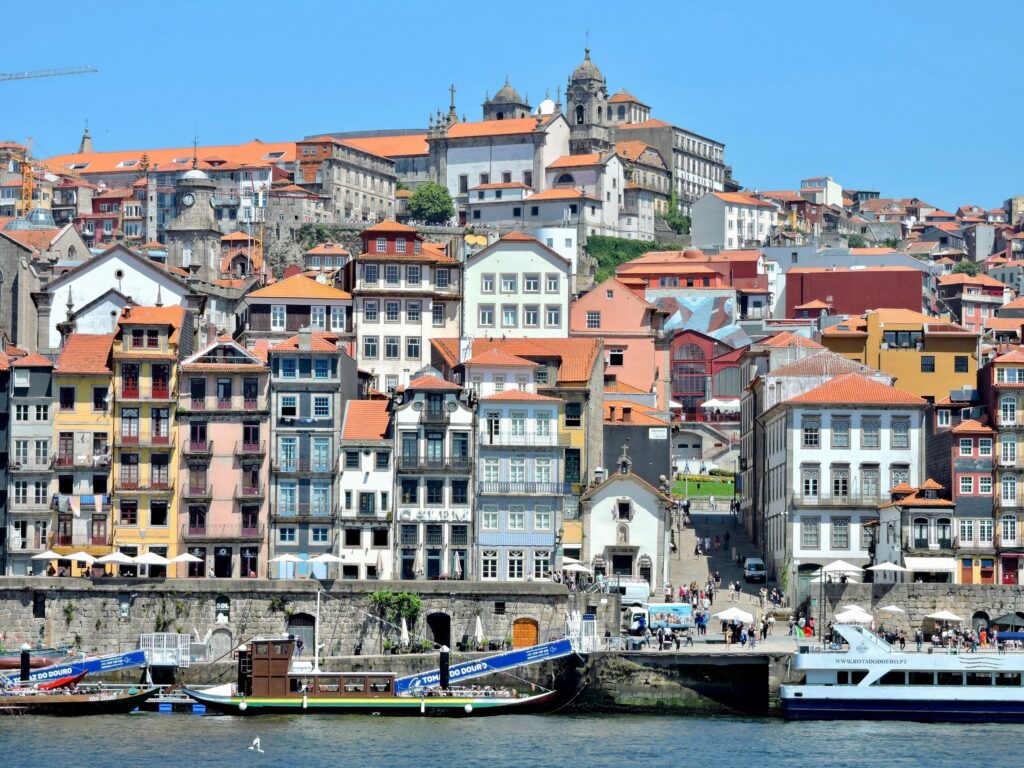
Portugal is the priciest on this list but still one of the best-value countries in Western Europe. Budget travelers get by on $60 to $90 per day. Mid-range comes in at $100 to $160, which is significantly below the equivalent in France or the UK.
Lisbon and Porto are the draws with their tram-and-cobblestone charm. Pastéis de nata, which are custard tarts, cost about $1.50 at a neighborhood bakery and are truly one of the best things you will eat.
One move that saves money across Portugal: order the prato do dia at lunch. It’s a three-course set meal with wine for $9 to $14. Over a week, that habit alone saves $100 compared to eating at tourist restaurants twice a day.
Flights from the US to Lisbon typically run $600 to $950 round-trip, which is reasonable for a transatlantic crossing.