

Why American Tourists Struggle With European Summer Heat
If you’ve been watching the news, you’ve probably seen headlines screaming about a European heatwave and started second-guessing your flight.
A lot of that coverage is misdirected. The worst of it has been focused on Germany and France, where air conditioning is famously rare.
Spain, meanwhile, has been having what locals there are calling a fairly normal summer.
That doesn’t mean it won’t be hot. It absolutely will be. But knowing what you’re actually walking into makes the difference between a miserable trip and an amazing one.
It’s Not a Heatwave. It’s Just July.
Temps that feel extreme to Americans can be a regular Tuesday in Seville.
Ttravelers who return from Andalusia and Madrid point out that 30-degree days in Montreal, with all that East Coast humidity, feels harder to get through than two full weeks in southern Spain.
Spain also has far more air conditioning than Germany or France. That counts for a lot.
Where You’re Going Makes a Huge Difference
Not all of Europe bakes equally. Southern Spain (Seville, Granada, Málaga) can push 45°C (113°F) on a rough day. The northern coast is a completely different story.
Places like Asturias, Galicia, Bilbao, and San Sebastián typically run 24 to 30°C in summer and cool off noticeably at night.
One traveler in Asturias reported mid-70s°F during the day and cool enough evenings to need a light sweater.
Northern Spain is where Spaniards themselves go to escape the heat in August. That should tell you something.
Learn to Live on Spanish Time
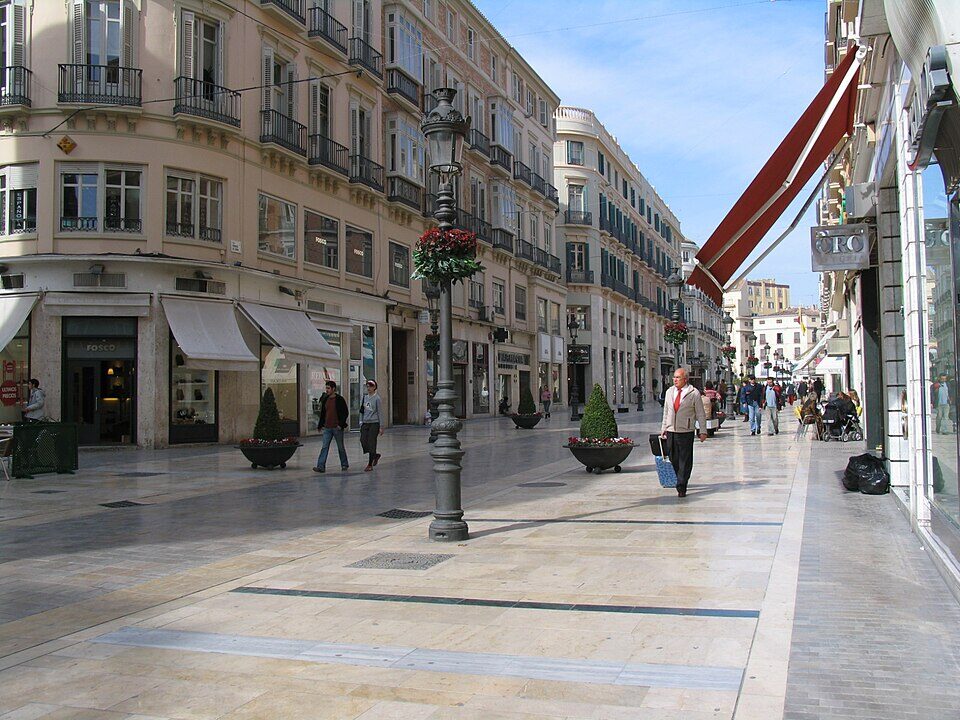
This is the single most important shift US travelers can make.
Locals don’t fight the heat. They schedule around it. Restaurants and shops go quiet between roughly 3:00 and 7:00 PM.
Dinner before 8:30 PM is unusual. On hot evenings in Barcelona, kids are still out with their families past 2:00 AM.
Plan outdoor sightseeing for the morning. Find a museum, a café, or a cool room for the afternoon. Come alive in the evening when the whole city does the same.
The Humidity Gap Is Real
Travelers from Florida, New York, or the Gulf Coast often find Spanish heat easier than expected. In dry heat, shade works.
Step out of direct sun and you feel better almost immediately. In humid heat, shade just means you’re sweating somewhere darker.
Dew points across much of Spain hover around 45 to 50. A 75-dew-point day in Orlando is genuinely harder on the body.
For anyone coming from Arizona or Colorado, the adjustment is even smaller.
What to Pack That You Probably Aren’t Packing
A foldable hand fan sounds like something your grandmother uses. It works, it fits in any bag, and Spaniards carry them without a second thought.
Look for Aquarius in any convenience store or supermarket. It’s Spain’s answer to Gatorade, lighter in taste and widely available.
Salt tablets or electrolyte drops are also worth throwing in your bag if you plan to be active.
Linen breathes in a way cotton and synthetic fabrics can’t. Pack more of it than you think you’ll need.
The AC Situation Is Not What You’d Expect
“Has AC” and “blasts AC like an American hotel” are two very different things. Most tourist-area hotels in Spain do have air conditioning, but the intensity varies.
If anyone in your group really struggles in the heat, go through your bookings now. A place with no AC might be fine in Galicia and genuinely rough in Madrid.
Rebooking before you leave is worth the hassle.
Keep Your Time in Madrid Short
Madrid gets brutally hot, and the hottest window runs from roughly 5:00 PM to 11:00 PM, which catches a lot of visitors off guard.
Get out early, see what you came to see, and head somewhere cooler by midday.
On days when Asturias was sitting at a comfortable 24°C, Madrid was pushing 40°C.
One Rule That Covers Almost Everything
Stay hydrated, wear sunscreen, eat light meals, and shift your whole schedule a few hours later.
Travelers from Canada, the UK, and across the US have done this and come home raving about their trips despite the heat.
The ones who struggle are usually trying to run a full American-style sightseeing day from 10:00 AM to 6:00 PM without stopping.
Gelato at 4:00 PM in the shade is not laziness. It’s exactly what the locals are doing.