
What Americans Get Wrong About French Healthcare
In 2000, the World Health Organization ranked France’s healthcare system #1 in the world. It was the first time the WHO had ever done that kind of ranking. It was also the last.
That single report has been quoted in travel blogs, expat forums, and dinner party arguments for over 25 years now. And while the methodology has been debated, France has consistently placed near the top in every major healthcare study since.
So is French healthcare actually that good? The short answer is yes – with a few surprises.
The Real Cost
Here’s the number that stops most Americans mid-sentence. France spends about $7,259 per person per year on healthcare. The United States spends $14,668.
That’s roughly double for worse outcomes. Life expectancy in France is 83 years. In America, it’s 79.
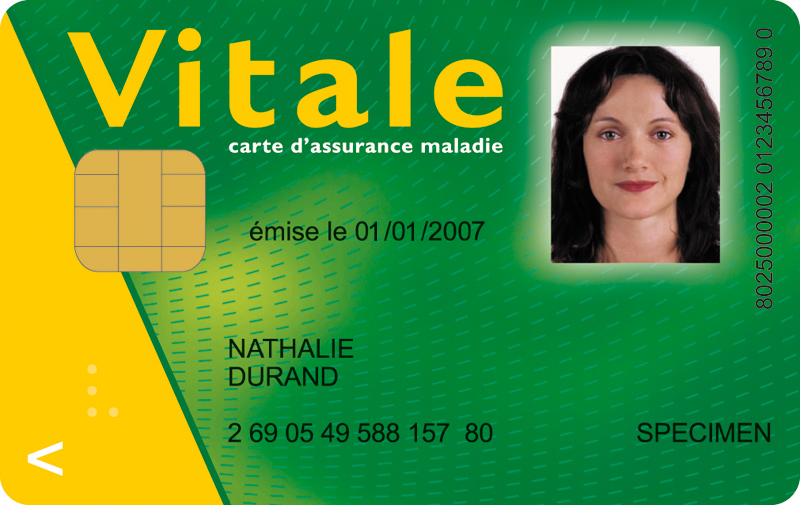
French residents are covered from birth. Everyone is automatically enrolled in the national health insurance system. Thirty serious conditions – cancer, diabetes, psychiatric illness – are covered at 100%.
For everything else, the state picks up about 70%, and a top-up insurance plan called a mutuelle handles most of the rest.
The average French patient ends up paying 7.8% of their total healthcare costs out of pocket.
A standard GP visit costs between 25 and 50 euros. A coronary stent procedure runs about 9,000 euros in France. The same procedure in the US averages $28,200.
The 2AM House Call
France still does house calls as a functioning national service.
SOS Medecins operates 24 hours a day, 365 days a year. You call or fill out an online form, and a doctor shows up at your door, usually within an hour. They diagnose you, write prescriptions, sometimes administer medication on the spot.
The cost runs between 70 and 90 euros. If you’re in the French system, most of that gets reimbursed within a week.
Even tourists can use the service. No French insurance required. The doctors carry portable card readers and will swipe your credit card at your kitchen table.
One American blogger described calling SOS Medecins from her Paris apartment with a terrible throat infection. A doctor arrived, diagnosed her, wrote prescriptions, swiped her card for 70 euros, and left.
She went to the pharmacy downstairs and filled the prescriptions for 10 euros. Total out-of-pocket for urgent medical care and medication: 80 euros.
The Pharmacy Difference
Walk into a French pharmacy and tell the pharmacist your symptoms. They can diagnose minor conditions, recommend treatments, and sell you medication that would require a doctor’s visit in the US.
French pharmacies are required by law to be independently owned. No CVS, no Walgreens, no corporate chains. They’re also required to be geographically spaced so that even small towns have access.
Prescription costs are similarly shocking. Americans report filling five prescriptions in France for 30 euros – about what a single copay might cost back home.
If You Get Sick as a Tourist
This is the part that breaks American brains.
You don’t need French insurance to walk into a French ER. You’ll be treated, and you’ll get a bill later – usually weeks or months later. The amounts are startling by US standards.
One American on the Rick Steves forum described going to a Paris emergency room after a fall. X-rays, a doctor visit, the whole process. The bill came to 68 euros.
The accounting clerk apologized that it was so much. The Americans’ jaws hit the floor – but not for the reason she assumed.
Another traveler spent 5 days in a French hospital for a shattered elbow, including surgery. Total cost: about $4,000 including everything. The only extra charge was 15 euros for fiberglass tape because the default is plaster.
A woman on TripAdvisor was outraged by her $1,700 bill for an overnight stay with IV fluids. Other commenters gently pointed out that the same visit in the US would have cost $15,000 to $20,000 without insurance.
The Part Nobody Talks About
France is losing doctors – fast. Between 2007 and 2025, France lost one in four general practitioners. Right now, 87% of French territory is classified as a “medical desert” – areas where finding a family doctor is genuinely difficult.
Six million French people don’t have a regular doctor at all.
The problem hits rural France hardest, but it’s not just a countryside issue. Even in the Paris region, 4.4 million people struggle to find a GP.
The region has more doctors than anywhere in France, but the population density means there still aren’t enough.
Young doctors prefer cities with group practices and predictable hours. Rural GPs face isolation, heavy on-call duties, and fewer colleagues.
Almost half of all French GPs are over 60 and heading toward retirement.
The government is fighting back. Medical school enrollment is being doubled by 2027. A new law will require all doctors to spend two consultation days per month in underserved “red zones.”
Starting in the fall 2026, medical training will be available in every French department for the first time.
Long Story Short
France’s healthcare system isn’t perfect. Wait times for specialists can stretch for months. The GP shortage is real and getting worse in parts of the country.
But the core structure works in ways that genuinely shock Americans who experience it. You get sick, you see a doctor, and the bill doesn’t destroy your life.
Not a political statement. It’s just what happens when you walk into a French hospital with a broken wrist and try to pay 68 euros.