
Things France Travelers Forget to Pack (and Always Regret)
Planning a trip to France usually means thinking about outfits, plug adapters, maybe a phrasebook. But once you’re actually there, dealing with ticket machines, closed shops, or awkward pharmacy visits, you start noticing a few small things that would’ve made the trip smoother.
None of these items are heavy. None are expensive. But travelers who skipped them have regretted it.
1. A small coin pouch
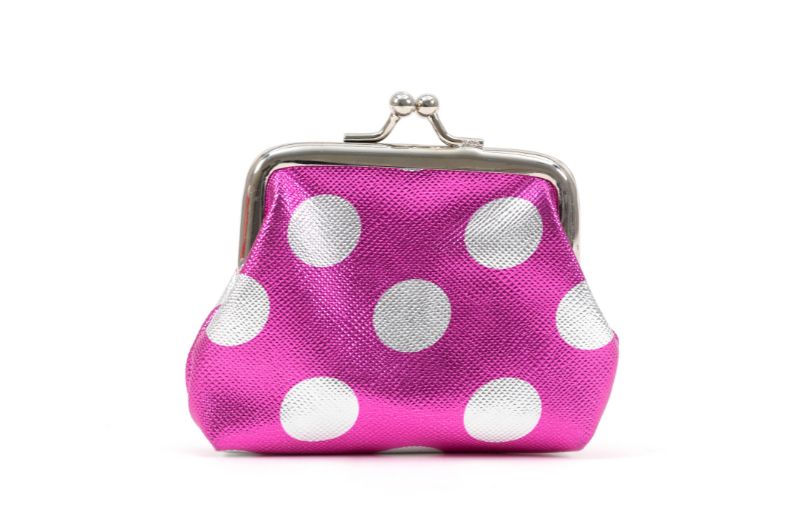
It sounds old-fashioned, but you’ll use coins more often than expected. Many toilets in train stations charge 50-70 cents. Métro ticket machines and bakery counters often want exact change. Even some cafés still have trays where you leave a few coins behind.
French wallets often include a special pouch just for this reason. You don’t need to buy one, but having a small zip pouch or separate pocket saves you from fumbling at the worst times.
2. An offline map app (or small paper map)
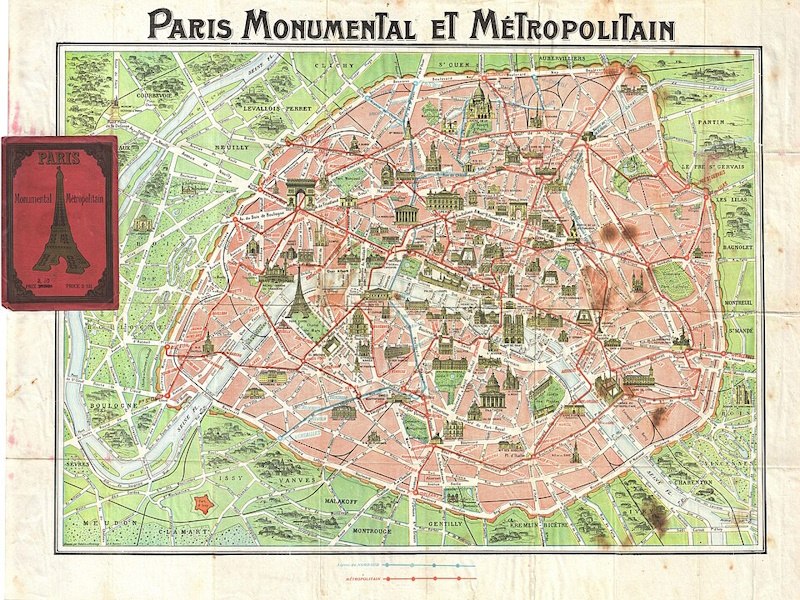
Google Maps is great, until it stops working. It happens underground in the métro, inside older stone buildings, and sometimes just in quiet towns where your data signal disappears.
An offline navigation app like Maps.me, or a small printed map you fold into your bag, helps you keep moving when your phone freezes or dies. This way, you’ll have a plan B when you’re tired, lost, or late.
3. A universal sink stopper
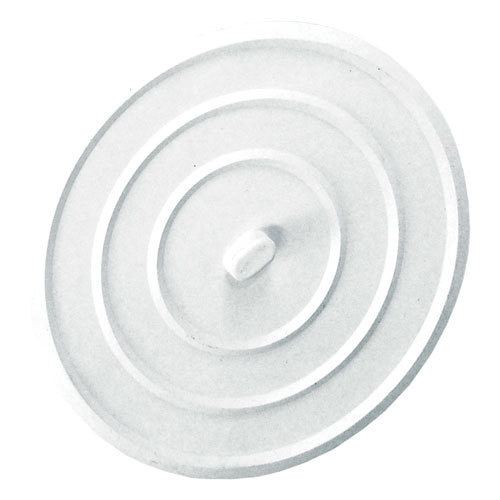
This one always surprises first-time visitors. Many French sinks, especially in older hotels or apartments, don’t come with a working stopper.
If you’re trying to hand-wash underwear, rinse fruit, or even fill the basin with water, you’ll wish you had something to plug the drain.
A flat, flexible stopper costs a couple of bucks and fits in your palm. It solves the problem in one second.
4. A compact USB hub or mini power strip
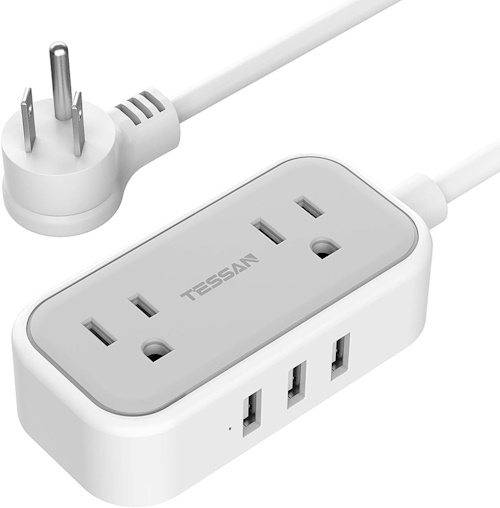
Some hotel rooms have only one available outlet. And often it’s not near the bed. If you’re trying to charge a phone, camera, watch, and power bank overnight, that’s a problem.
A small USB hub or lightweight power strip lets you charge everything at once, even from a single plug.
It’s especially useful if you’re traveling with a partner or sharing a rental apartment.
5. A backup credit card stored separately
Card machines in France sometimes reject foreign cards without warning. This happens even at major train stations like Gare de Lyon, especially at ticket machines that require chip-and-pin rather than tap.
Some travelers have had their card swallowed by an ATM. Others have stood at a supermarket checkout, card declined, with a line of impatient Parisians behind them.
A second card stored in a different bag or pocket costs nothing extra and solves both problems.
6. A foldable tote bag
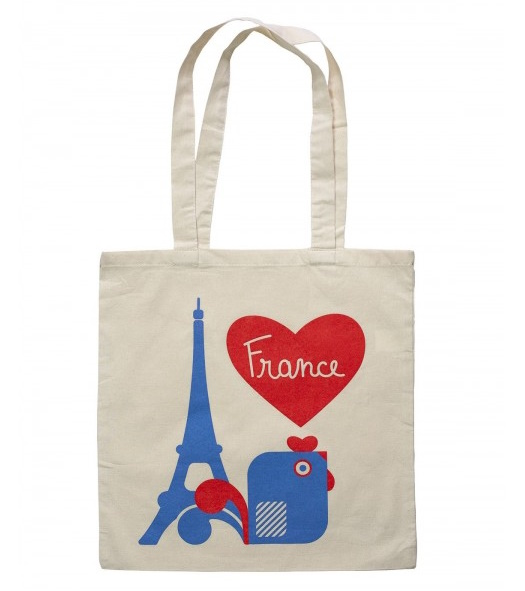
French stores don’t give out free bags, including supermarkets, clothing shops, or market stalls. Locals often carry a small foldable tote in their jacket or purse at all times.
You can buy one after you land, but it’s easier to pack one. It’s useful not just for groceries but for carrying wine, snacks, or impromptu picnic supplies when shops are closing and you need to grab food fast.
7. A pocket notebook and pen
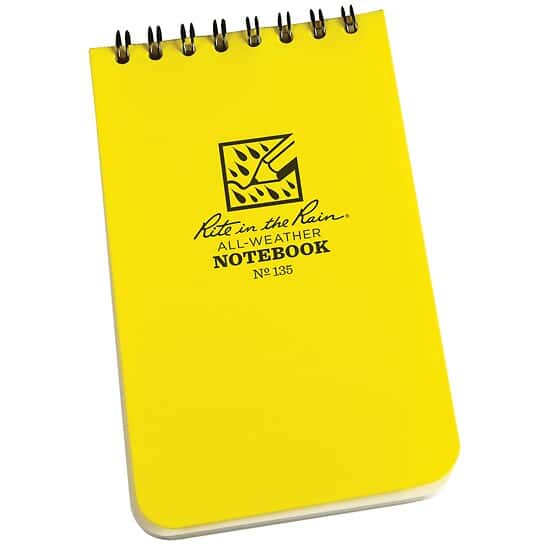
There are moments when your phone won’t cut it. French pharmacies, post offices, and even some hotels still use handwritten forms.
And when your phone dies or you’re in a place where phones aren’t allowed, a notebook becomes handy fast.
You might jot down directions from a stranger, write your room code, or just make a quick list. These items take no space and come in useful more often than we expect.
8. A compact umbrella or packable rain jacket
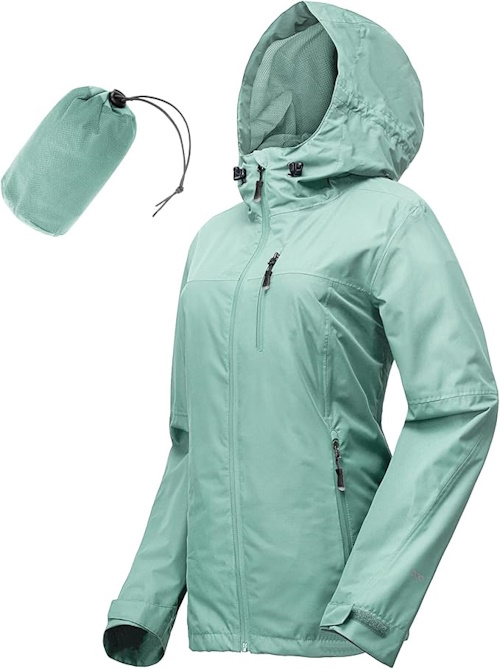
French weather turns quickly. A sunny morning can shift to rain by lunchtime, especially in spring and autumn. If you’re walking across town or stuck between two métro stops, getting soaked is not fun.
A compact umbrella or a lightweight rain jacket doesn’t weigh much in your day bag. But it saves you from walking into a restaurant looking like you fell in the Seine.
9. A good pair of earplugs
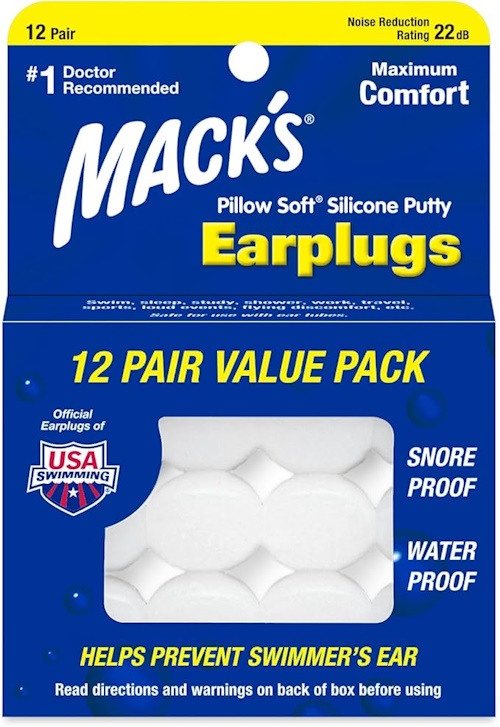
Don’t rely on the cheap foam freebies from the plane. French buildings, especially in cities, often have thin walls. In the countryside, you might be next to a farm. Street noise starts early, and bars stay open late.
Quality earplugs that block both low rumbles and higher-frequency sounds make a huge difference, especially if you’re a light sleeper.
10. A screenshot with basic pharmacy words
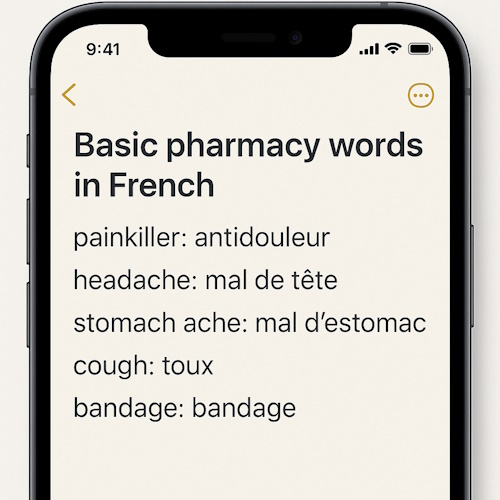
French pharmacists are usually helpful, but many don’t speak much English, especially outside major cities.
If you’re trying to explain a sore throat, a rash, or motion sickness, knowing the French word saves you from a game of charades. “Mal de gorge” (sore throat), “nausée” (nausea), “douleur” (pain) go a long way.
Take a screenshot before you leave. You’ll thank yourself the first time you need it.