
France’s New Tourist Rules – and the Fines Tourists Don’t See Coming
France isn’t kidding anymore. If you’re planning a trip there, some of the rules have changed in ways that could cost you real money.
Locals know them. Tourists usually don’t. And “I didn’t know” is not something French police want to hear.
Here’s what’s different in 2025 and 2026, and what can get you fined before you’ve even finished your croissant.
No More Smoking in Parks
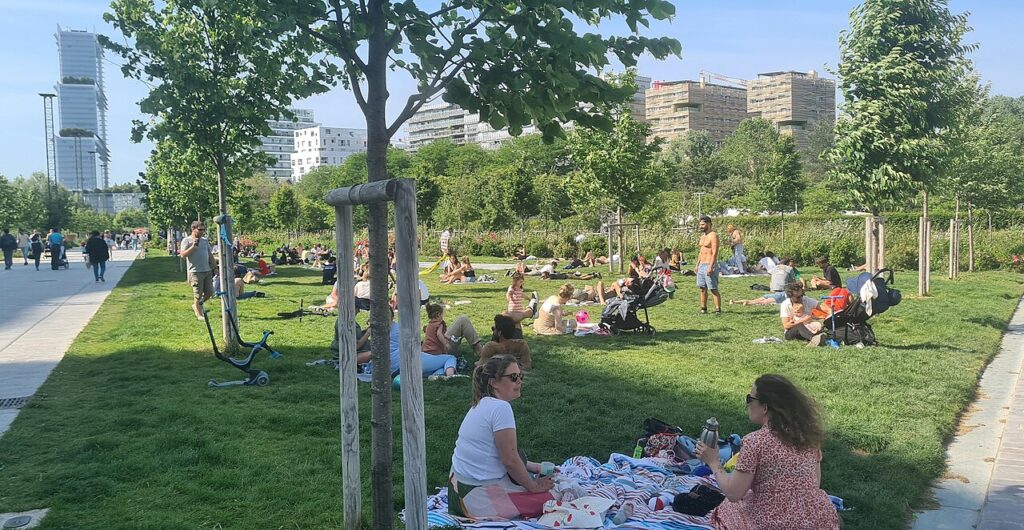
Since July 2025, smoking is banned in all public parks, gardens, and forests across France.
That’s not a city-by-city thing, it’s national. The fine is €135 on the spot, and repeat offenses can push that up to €800.
Vaping gets its own separate headache. The French government has banned the sale of single-use disposable vapes entirely. If you were counting on picking one up at a tabac near your hotel, you’re out of luck.
Covering Your Face Is Illegal
France takes secularism extremely seriously, and this one surprises a lot of Americans.
Covering your face in a public space is illegal. Full veils, balaclavas, anything designed to conceal your identity falls under the ban and carries an immediate €150 fine.
Medical masks during official health mandates are the only exception.
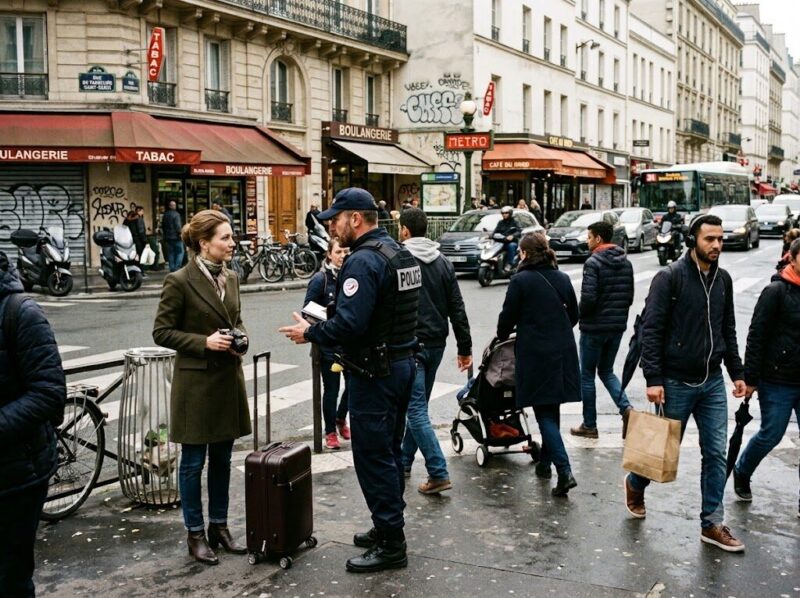
Military patrols are common at major tourist sites under France’s Opération Sentinelle program.
If an officer asks to see your ID, you’re legally required to show it. You also need to carry a physical photo ID on you at all times.
Don’t photograph police or military personnel.
Driving Rules That Catch You Off Guard
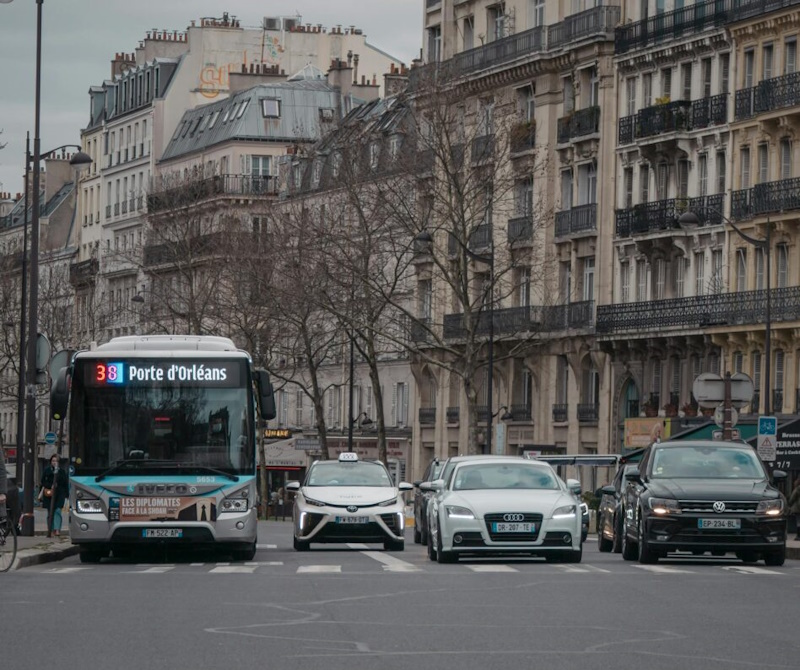
Renting a car? France has a few rules that aren’t posted anywhere obvious.
If you’re driving into Paris, Lyon, or Marseille, your rental car needs a Crit’Air emissions sticker.
Entering a Low Emission Zone without one results in an immediate €68 fine. Most rental companies include one, but it’s worth confirming before you pull out of the lot.
Speed camera detector apps are flat-out illegal. Using one can result in a €1,500 fine and confiscation of your vehicle.
If you break down on a highway, you need to put on the high-visibility reflective vest before stepping out of the car. The fine for skipping that step is €135.
Don’t Pack Your Board Shorts for the Pool
This one genuinely shocks people. French hygiene law requires men to wear tight, brief-style swimwear in public pools. Board shorts are banned.
The rule applies to hotel pools, public pools, and campsite pools. Show up in baggy shorts and you’ll be turned away at the door.
The Beach Fine Nobody Expects
Taking sand, shells, or pebbles from French beaches is considered environmental theft.
Tourists caught filling jars with sand from the Riviera or Normandy coast can face fines starting at €250, reaching much higher for larger quantities.
The law is especially enforced in coastal conservation zones, which cover a long stretch of the southern coastline.
Common Metro Ticket Mistake
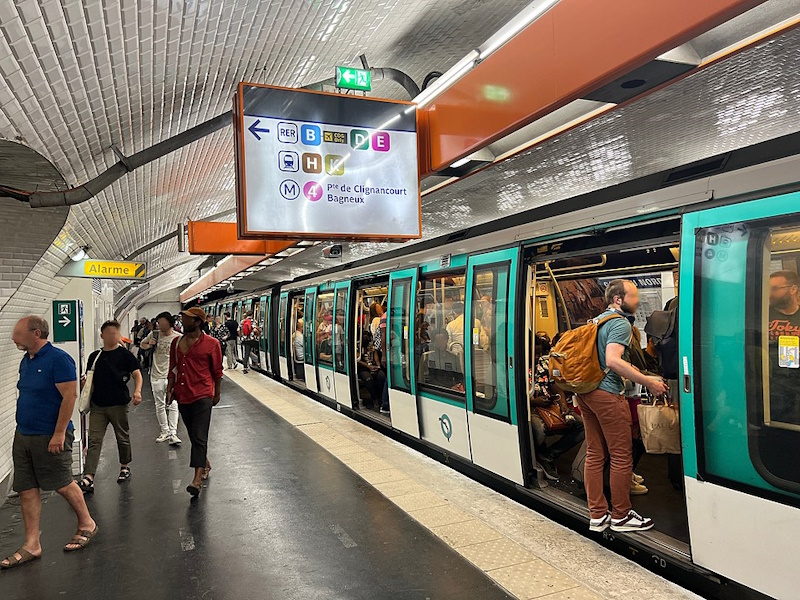
Paris updated its transit fines in June 2025. If you don’t have a valid ticket, the on-the-spot fine is now €100, or €80 if you pay within 20 days.
The detail that trips people up: you must keep your ticket until you exit the station, not just until you pass through the turnstile. Inspectors check on both ends.
Jumping turnstiles or putting your feet on seats can run you up to €375.
Paper tickets are being phased out in 2026. The Navigo Easy card or the Île-de-France Mobilités app is how you get around that.
Going Shirtless in Town
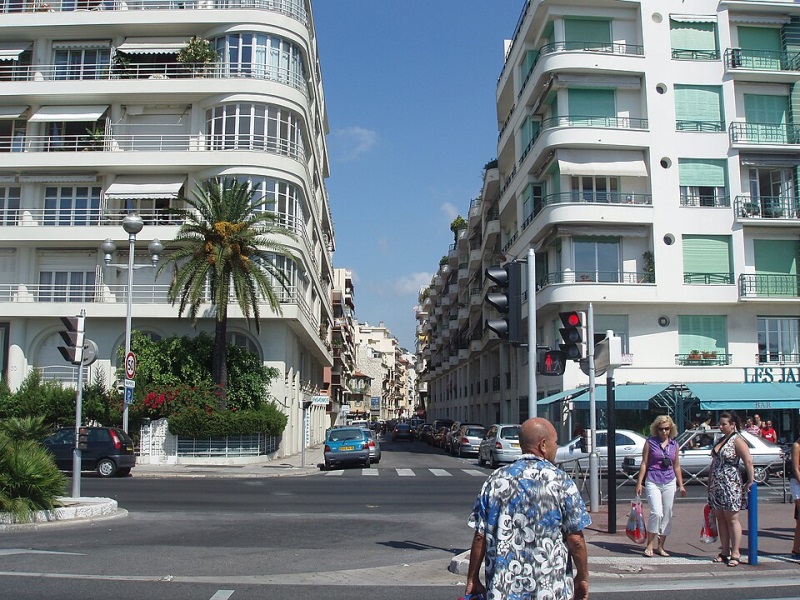
At least 20 French coastal towns now fine people for walking through town shirtless or in swimwear. The number has roughly doubled since 2024.
The rule targets anyone who wanders off the beach into a market, café, or public street without covering up.
La Grande-Motte was the first town to introduce the rule, back in 2008, and the trend has spread steadily.
The fine varies by town but can match what you’d pay for a night in a budget hotel.
The Short-Term Rental Shift
If you’re staying in an Airbnb or private rental, the host is responsible for collecting a local tourist tax from you.
That tax varies by city and accommodation type. In Paris, a regional surcharge can push the total to 200% of the base rate. Don’t be surprised when the nightly rate looks higher than the listing price.
Marseille fined one operator 171,000€ in early 2026 for running 23 unregistered properties. The enforcement is real.
The Eiffel Tower at Night
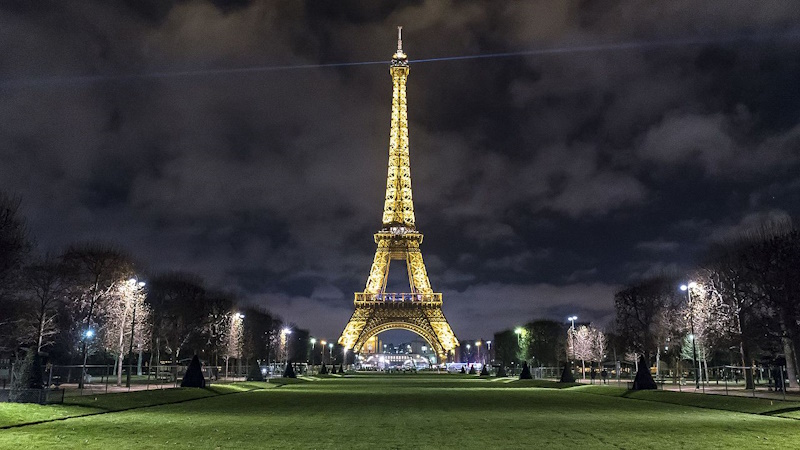
You can photograph the Eiffel Tower all you want during the day. That’s public domain.
The light show is a different story. The illumination design is copyrighted, which technically makes publishing photos of the lit tower a rights issue.
In practice, casual tourist photos are never enforced against. But if you run a travel business, a blog with ads, or plan to sell prints, using that nighttime shot without a license from the tower’s operator puts you in murky territory.
Worth knowing before you build a campaign around it.
One Rule That Got Easier
Not everything tightened. Swimming in the Seine was illegal for over 100 years.
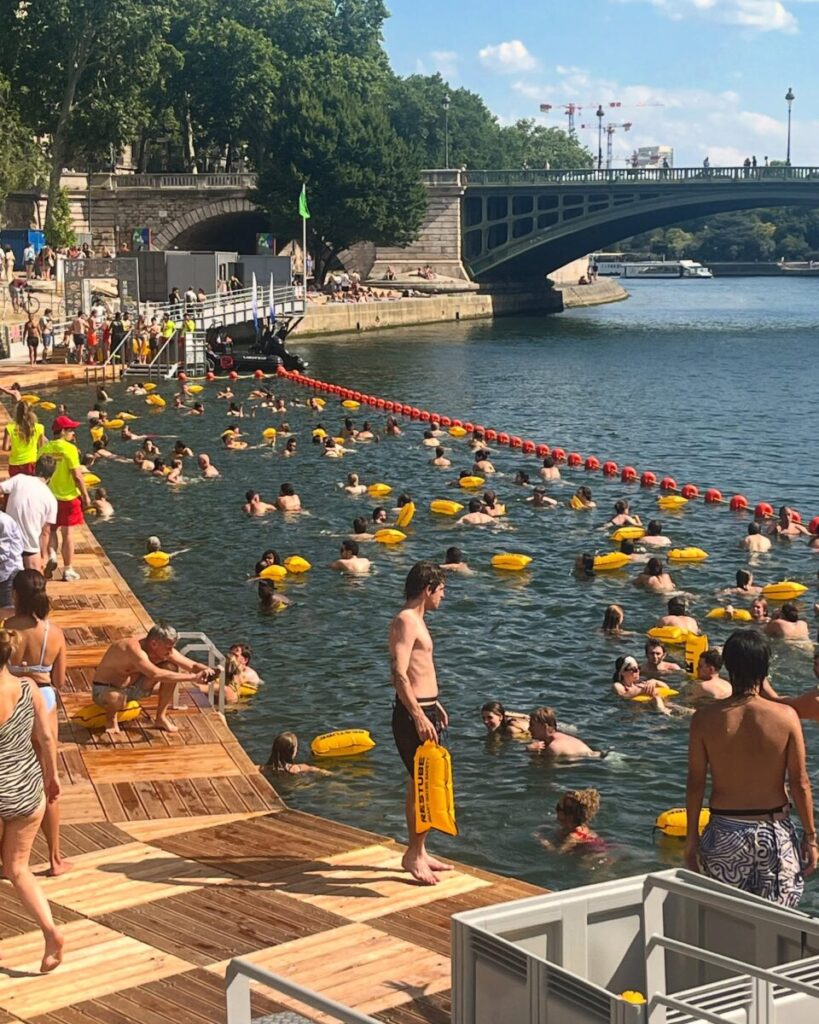
That changed in the summer 2025, when Paris opened three supervised, free swimming sites on the river for the first time in a century.
Grenelle in the 15th arrondissement, Bras Marie in the 4th, and Bercy in the 12th.
They returned for a second season on July 4, 2026, and stay open through August 30. No reservation, no ticket.
Swimming outside the authorized areas is still illegal and dangerous. The sites have lifeguards, marked boundaries, and daily water quality testing.
Grenelle has the Eiffel Tower view.