
Hantavirus Reached France Without Anyone Boarding the Ship
A Dutch couple went birdwatching in Argentina in January. By May, a French citizen was in isolation. Nobody in France had been anywhere near the ship.
That’s the part of the MV Hondius story that most people aren’t focusing on.
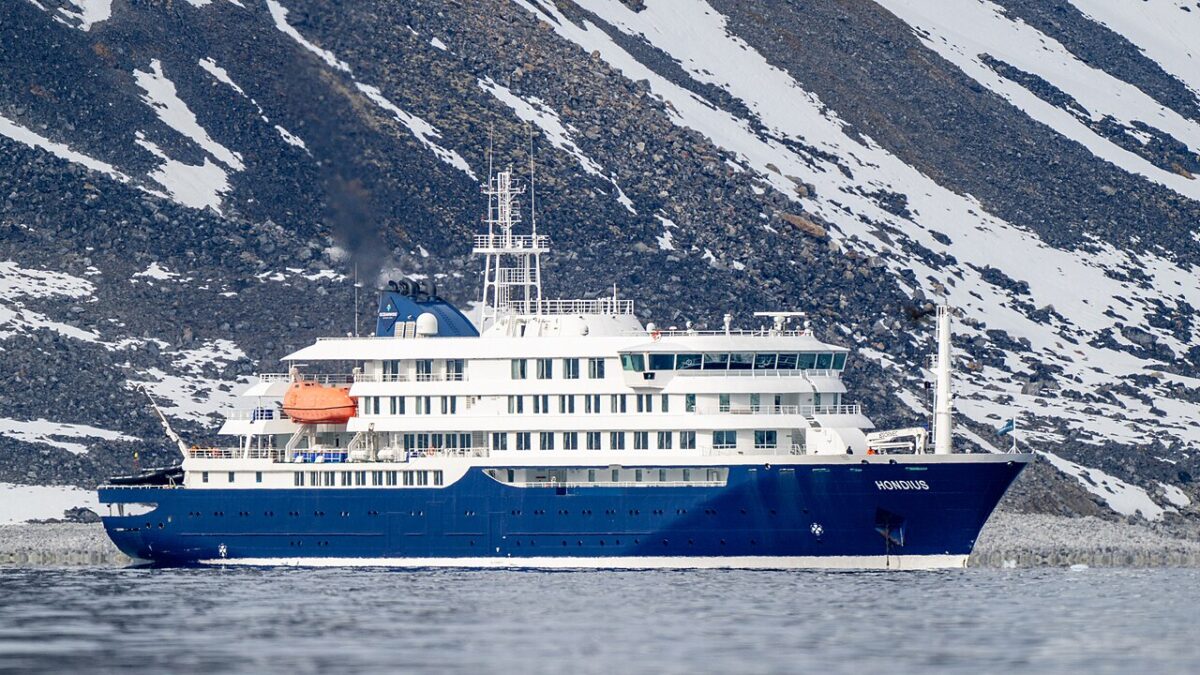
The MV Hondius is an expedition cruise ship operated by Oceanwide Expeditions, a Dutch company. It departed Ushuaia, Argentina on April 1, 2026, carrying 147 passengers from 23 countries on an Antarctic voyage.
On April 11, a Dutch passenger died on board. His wife was evacuated to South Africa with his body on April 24. She tested positive for hantavirus and died there on April 26.
By the time health authorities confirmed the diagnosis on May 2, the ship had already stopped at Saint Helena, where 30 passengers disembarked and scattered.
As of May 7, five cases are confirmed and three people are dead. The strain is the Andes virus – the only known type of hantavirus that can spread between humans, though this is considered rare and requires close, prolonged contact.
Why France Is Now Involved
This is where it stops being just a ship story.
A French citizen who never boarded the MV Hondius is now in isolation with mild symptoms. France’s health ministry confirmed it publicly this week.
The French national was on a flight with one of the confirmed cases before that passenger was hospitalized.
That’s it. One flight. No cabin. No expedition. Just shared air on a commercial plane.
French health authorities are tracking the contact and running tests. No infection has been confirmed yet – but the case has been opened.
Countries Now Doing Contact Tracing
The outbreak has triggered active investigations across at least six countries.
A British passenger evacuated from Ascension Island is critically ill in intensive care in South Africa.
A Swiss man who disembarked at Saint Helena tested positive and is being treated in Zurich.
A Dutch flight attendant who came into contact with the deceased Dutch woman during boarding in Johannesburg is now in an isolation ward in Amsterdam. She never flew. She was on the jet bridge.
France, Switzerland, the Netherlands, the UK, South Africa, and Singapore are all monitoring contacts. The CDC confirmed 17 Americans were on board and said the U.S. government is coordinating their repatriation.
What the Andes Strain Actually Is
Hantavirus is not new. It has circulated in South America for decades, spread through contact with infected rodent droppings, urine, or saliva.
The Andes strain, a variant of hantavirus first identified in Argentina and Chile in the 1990s, is the strain confirmed on the MV Hondius.
It is different from the version most Americans remember from the 1993 Four Corners outbreak in the U.S. Southwest. That strain, Sin Nombre, cannot spread person to person.
The Andes strain can, in rare cases. The WHO has documented human-to-human transmission in previous South American outbreaks, almost always involving people in very close and prolonged contact.
Argentina recorded 28 hantavirus deaths last year, up from an average of 15 in the five years before that.
Where the Ship Is Now
The MV Hondius left Cape Verde on May 6 and is heading to Tenerife in the Canary Islands.
The regional president of the Canary Islands initially refused to let it dock, citing COVID-era fears among residents. Spain’s national health minister overruled him, citing international law and the WHO’s request.
Evacuation of the remaining passengers (those showing no symptoms) is expected to begin on May 11. Non-Spanish citizens will be repatriated to their home countries from Tenerife.
The leading theory on the origin, according to Argentine investigators, is that the Dutch couple visited a landfill near Ushuaia during a birdwatching tour before boarding – a site where rodents carrying the virus are known to live.