
The Highest City in the EU: a Fortress in The Alps
Briançon is this fortified powerhouse sitting at 1,326 meters, making it the highest city in the European Union. Perched right on the edge of the Italian border, it controls the intersection of five Alpine valleys, a position so strategic that King Louis XIV had it turned into an “impregnable” mountain citadel.
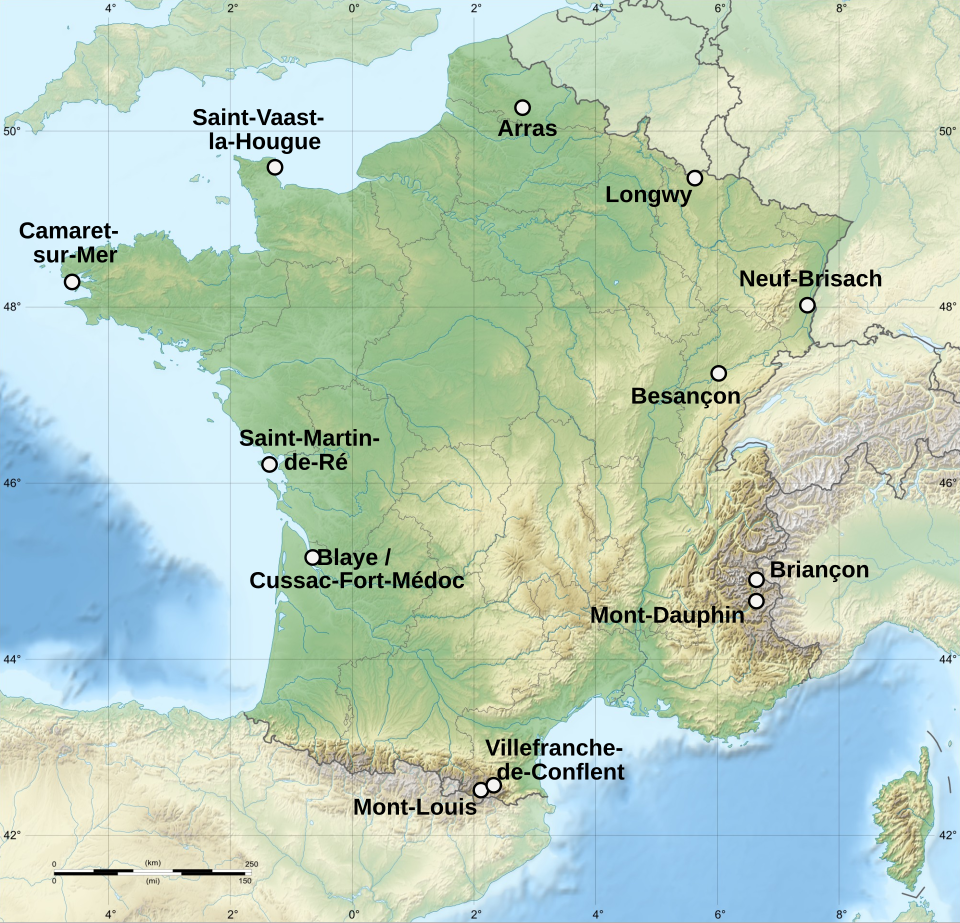
More than a place for a quick ski trip, it’s a large, living UNESCO World Heritage site where 18th-century stone barracks are currently being gutted to house the athletes of the 2030 Winter Olympics.
The city has a permanent population of approximately 10,700 residents. While that number fluctuates slightly with the seasons, Briançon remains a bustling urban hub year-round, distinct from the tiny mountain villages that often lack its administrative status and infrastructure.
A UNESCO Fortress in the Clouds
The most striking thing about Briançon is its military architecture. In the late 1600s, the famous engineer Vauban realized the town was dangerously vulnerable to attacks from Italy, so he redesigned it into a sprawling stronghold.
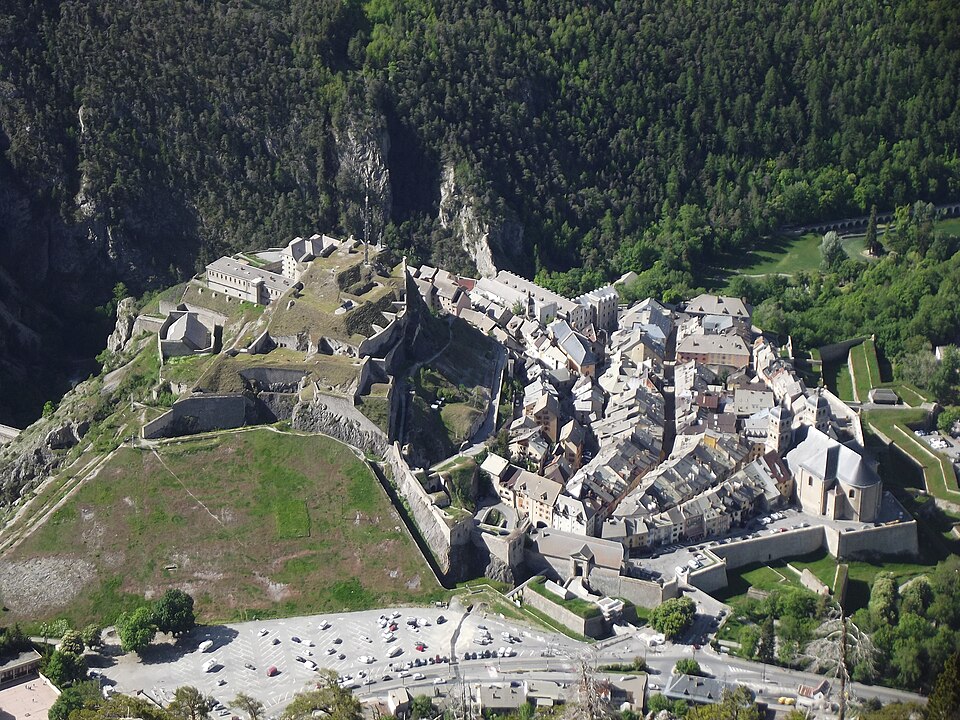
His work was so significant that it was added to the UNESCO World Heritage list in 2008.
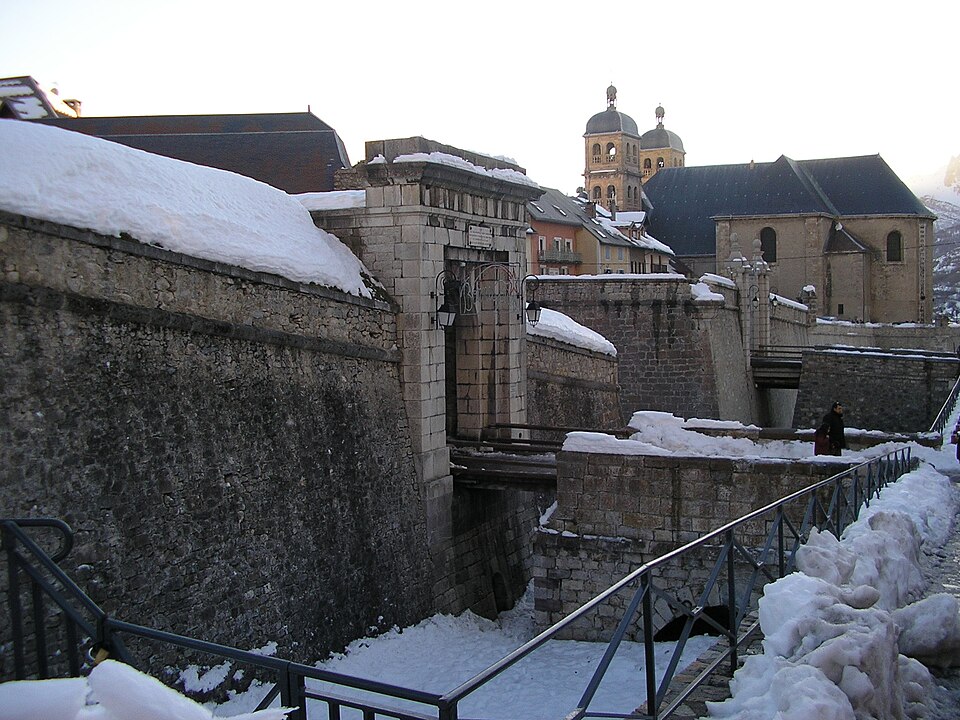
The centerpiece is the Cité Vauban, or upper town, which is surrounded by a massive 3-kilometer wall. To secure the heights, Vauban and his successors built a ring of high-altitude forts including Fort des Salettes, Fort du Randouillet, and Fort Dauphin.
Le Fort des Têtes
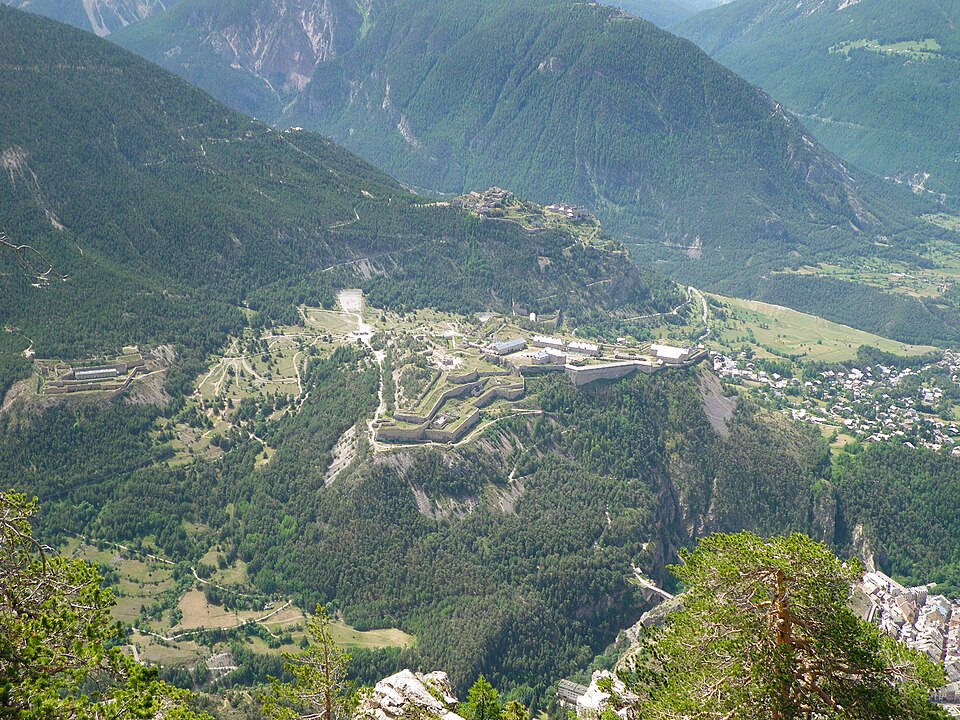
The absolute crown jewel of Briançon’s defensive line is Le Fort des Têtes (also known as the Fort des Trois Têtes). Built on a plateau overlooking the town, this fort is actually larger than the city it was designed to protect. It was established in the 1720s based on Vauban’s vision to ensure no enemy could ever hold the high ground above the valley.
The scale of the fort is staggering: it features three massive bastioned fronts, an arsenal, a chapel, and barracks that once held over 1,200 soldiers.
Because it sits on the opposite bank of the Durance river, it is connected to the main town by the Pont d’Asfeld, a terrifyingly high single-arch bridge that hangs 56 meters over the water.
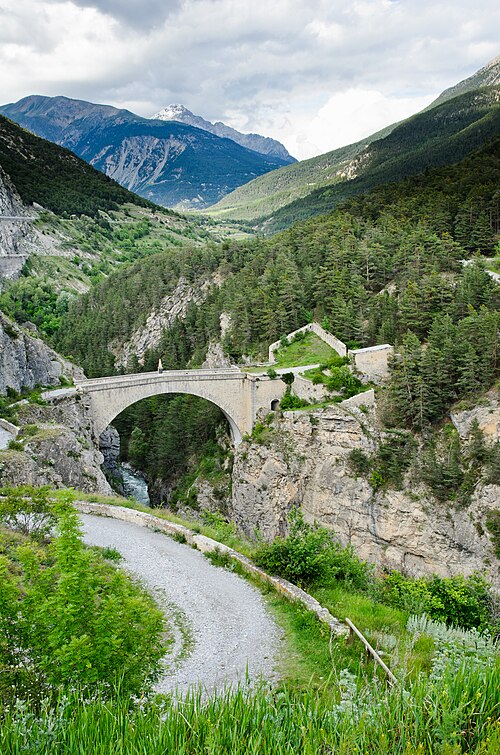
This fort is so central to military history that it was the main reason Briançon received its UNESCO status in 2008.
Olympic Village for 2030
While these forts were built for 18th-century warfare, they are about to host the future of winter sports. The Fort des Têtes has been officially designated as the Olympic Village for the 2030 Winter Games.
The massive site is being renovated to house nearly 1,000 athletes who will be competing in freestyle skiing and snowboarding. The project is a major engineering feat, updating the historic stone barracks into modern, sustainable housing while strictly following UNESCO preservation guidelines.
After the Games, the city plans to convert these spaces into local housing, giving the ancient fortress a permanent new life.
Medieval Gargoyles and Sundials
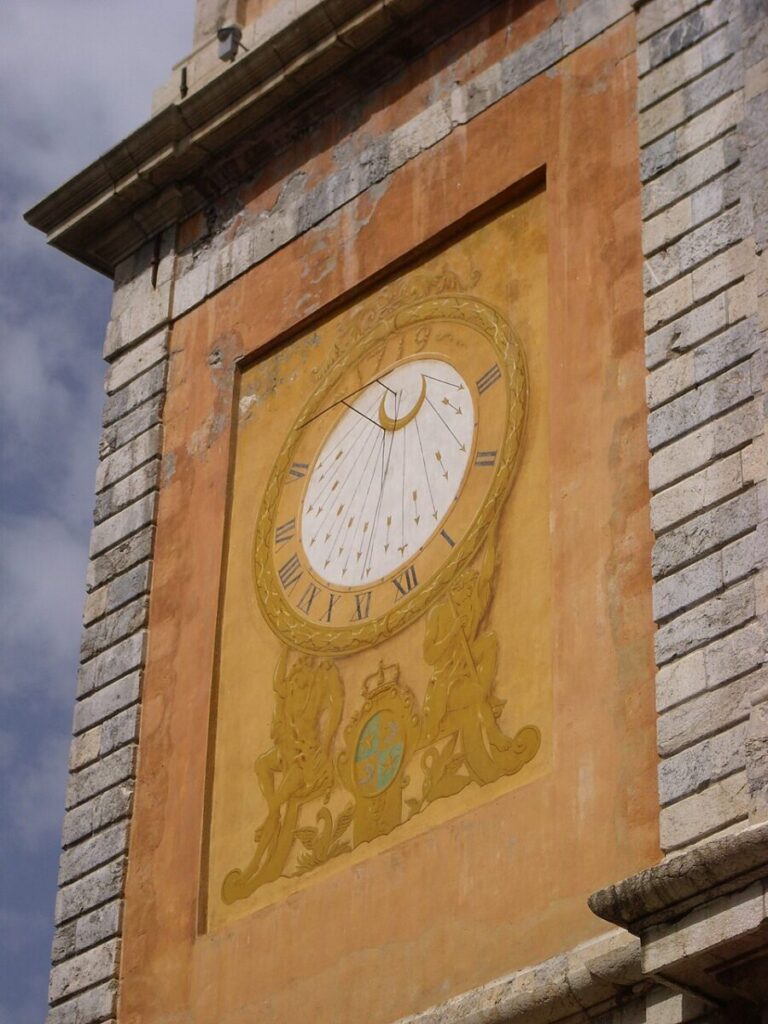

Walking through the old town feels like stepping back 300 years. You will see “gargouilles” – narrow stone channels running down the center of the steep, cobblestone streets like the Grande Gargouille and Petite Gargouille.
Unlike standard gutters, these have been carrying a constant stream of spring water since the Middle Ages. They were originally designed to fight fires in the narrow wooden streets, but today they just provide a unique soundtrack to the pedestrian lanes.
The houses are painted in warm, bright colors that feel more like Provence or Italy than a typical grey mountain town. Many of these facades are decorated with historic sundials, which were once a status symbol for wealthy families.
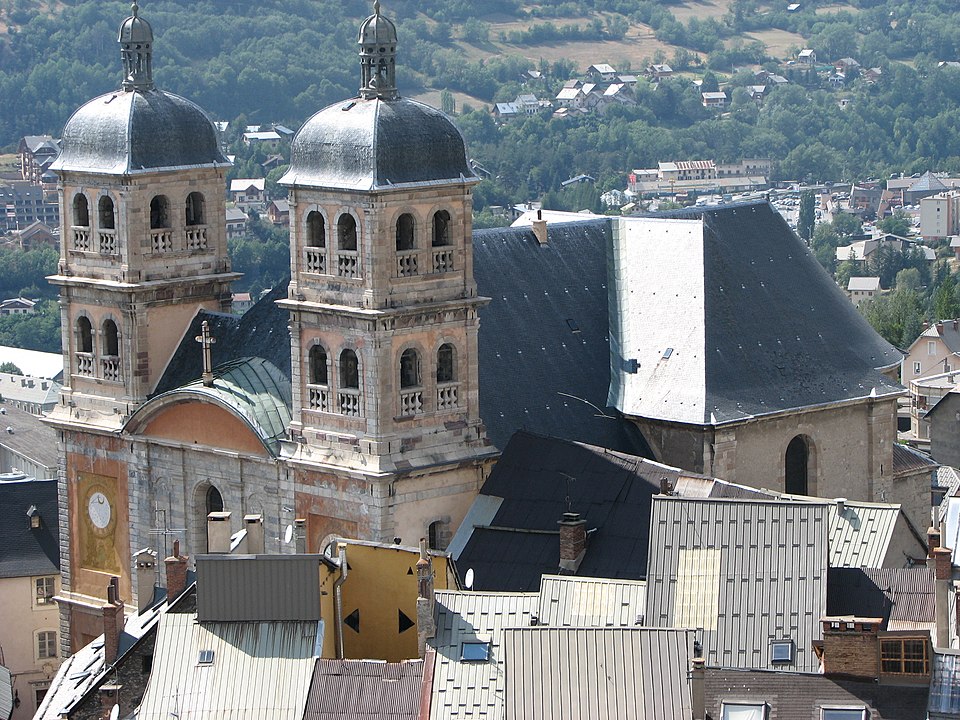
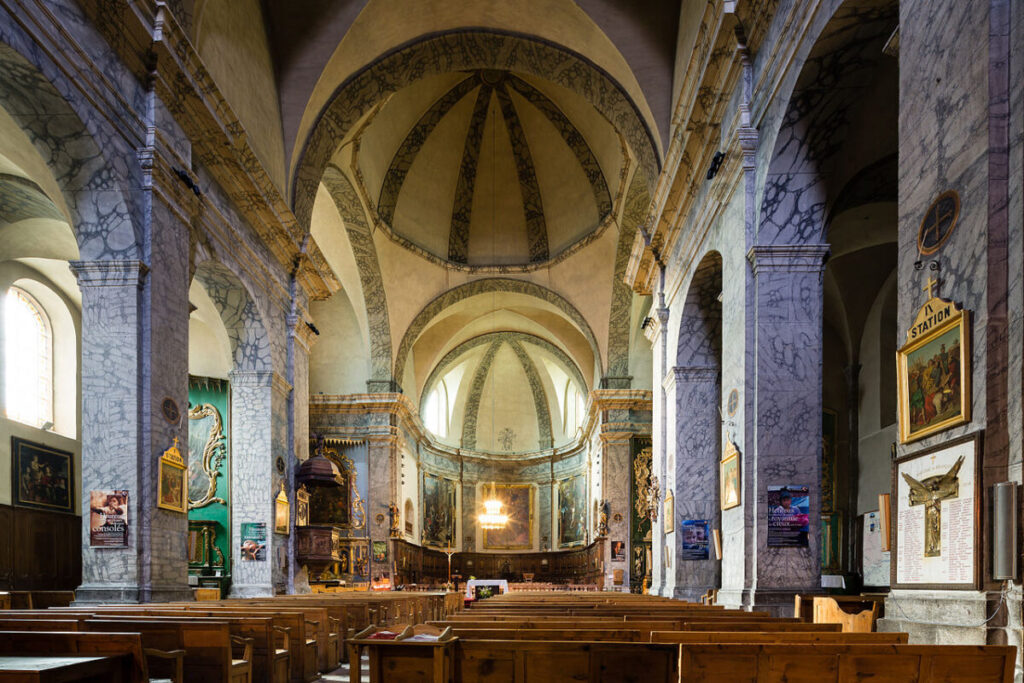
The skyline is dominated by the twin-towered Collegiate Church of Notre-Dame, which Vauban built with a coral-pink facade and a fortified design meant to survive a siege.
300 Days of Sunshine
Briançon is famous for an exceptional microclimate that provides an average of 300 days of sun every year. In the early 20th century, this clear air and constant light made the city a famous destination for people treating respiratory illnesses.
Today, that sunshine fuels a massive outdoor sports scene. In the winter, the Prorel gondola takes you straight from the city center into the Serre Chevalier ski area, which offers 250 kilometers of slopes.
During the summer, the city is a magnet for cyclists aiming for the Col de l’Izoard, a legendary mountain pass that rises to 2,360 meters and is a frequent highlight of the Tour de France.
The city stays alive year-round with cultural events like the Altitude Jazz Festival in late January and medieval festivals in July that fill the UNESCO streets with music and reenactments.