
Italy Tourist Fines: 6 “Harmless” Mistakes That Can Cost You Thousands
That fake Gucci bag off a street blanket in Rome? It could run you €7,000.
And that’s just one of several things tourists do every day in Italy thinking they’re harmless, that are treated as criminal offenses under Italian law.
Here’s what to know before your next trip.
The Fake Bag Tax

Italy passed strict anti-counterfeiting laws back in 2005, and they apply to buyers, not just sellers.
Get caught with a fake Louis Vuitton, a knockoff Rolex, or a counterfeit pair of Gucci sunglasses, and you’re looking at a fine of up to €7,000.
Some sources put that ceiling even higher, at €10,000.
The street vendor packing up his blanket the second he spots a cop? He’s not paranoid, he’s experienced.
You won’t get a pass for claiming ignorance. If the price looks too good to be true, Italian law treats that as your warning.
Airport scanners in major cities routinely flag suspicious items.
Sardinian Sand

Sardinia has been enforcing a regional law since 2017 that bans removing sand, shells, or stones from its beaches. The fine runs from €500 to €3,000.
Cagliari, Olbia, and Alghero airports have equipment calibrated to screen for beach material the way other airports screen for drugs.
In one sweep alone, 41 people were fined and roughly 100 kg of sand was confiscated.
A French couple caught with 40 kg stuffed into plastic bottles faced a charge that could mean one to six years in prison.
The pink beach at Budelli has been closed since the 1990s because tourists kept taking its famous pink sand. Biologists are still hoping it recovers.
Underground Finds
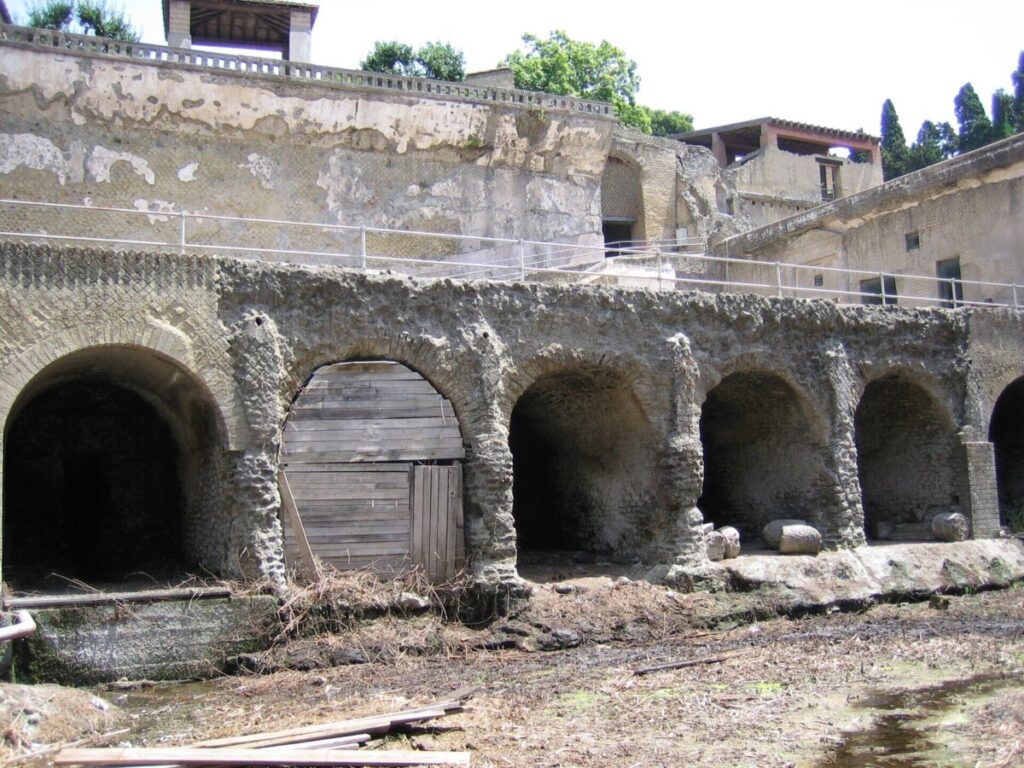
In Italy, all archaeological objects found underground belong to the government.
Digging without authorization brings a fine of €310 to €3,099 and possible arrest.
Since 2022, simply being caught holding a metal detector in an archaeological zone is a crime on its own, carrying up to two years in prison. Even if you haven’t dug anything yet.
Find something by accident? You have 24 hours to report it to authorities. They’ll tell you what happens next.
Greece runs a similar framework. Removing pottery fragments, marble pieces, or any artifact from an archaeological site is prosecutable under law.
Sentences range from two years for minor cases up to ten years or more for major finds.
Several tourists have been arrested and prosecuted in recent years.
Colosseum Graffiti
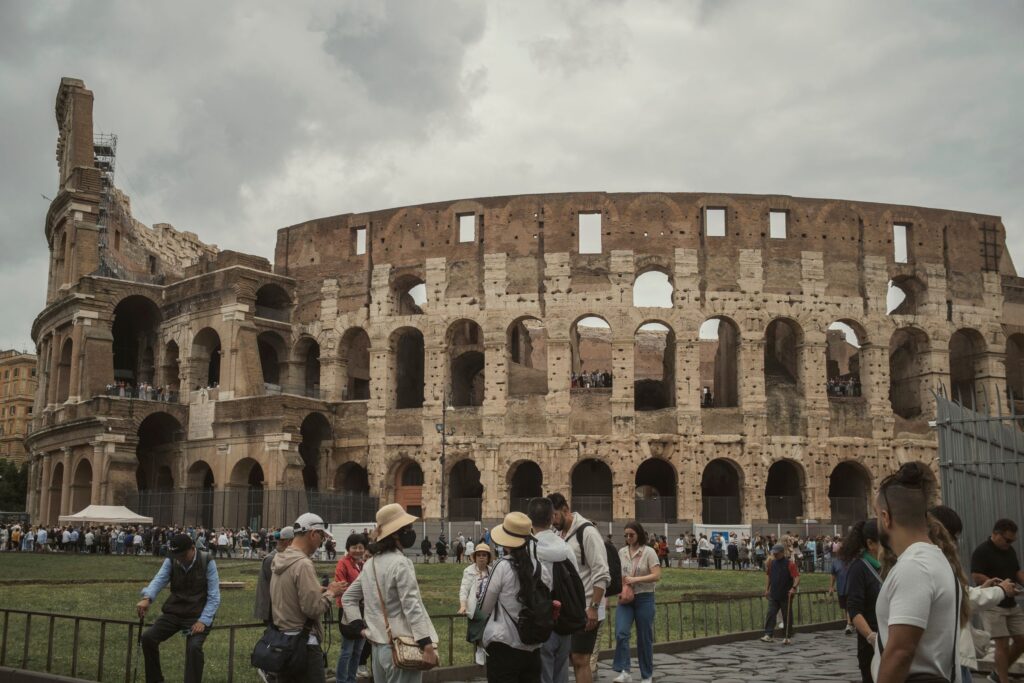
In 2023, a tourist used his keys to carve “Ivan + Hayley ’23” into a wall of the Colosseum.
The video went viral. He faced a fine of up to €15,000 and up to five years in prison.
It was the fourth time that year someone had vandalized the structure. A Russian tourist caught carving a single letter “K” into a wall in 2014 received a €20,000 fine and a four-year suspended jail sentence.
Since 2024, defacing any cultural heritage site in Italy now carries fines of €20,000 to €60,000, on top of any restoration costs.
Drone Permits
Flying a drone over a European monument without the right permits is not a gray area.
In Italy, drones are banned over Rome’s historic center, Venice’s canals, the area around Florence’s Duomo, and pretty much everywhere near the Colosseum.
Fines range from €516 to €64,000, with criminal charges possible for endangering transport.
Spain goes even further: the Aviation Security Act allows fines up to €225,000 for individuals.
A British tourist flying an unauthorized drone over a Tenerife festival in July 2025 faced a €200,000 fine.
France requires AlphaTango registration and restricts urban flights, with the entire Paris area designated as a no-fly zone.
The app you used to check the rules at home? It may not reflect the local regulations where you’re landing.
Pompeii Souvenirs

A Scottish tourist visiting Pompeii in 2025 picked up five stone fragments and a brick and put them in his backpack.
He was caught outside the park and told police they were gifts for his son. He was charged with aggravated theft and faced up to six years in prison along with a €1,500 fine.
The items were returned to the site.
Pompeii has a long-running “Curse of Pompeii” collection, a box where people mail back souvenirs they took years earlier, convinced the objects brought them bad luck.
The park keeps it. It’s full.