
John Singer Sargent at the Musée d’Orsay
In fall 2025, the Musée d’Orsay turns the spotlight on John Singer Sargent, focusing on the decade he spent in Paris.
The exhibition runs from September 23, 2025 to January 11, 2026 and centers on the years 1874 to 1884, when Sargent was young, ambitious, and determined to break into the toughest art scene in Europe.
This is the first major exhibition in France devoted entirely to Sargent. It concentrates on the period when Paris shaped his technique, his subjects, and his reputation.
The show also coincides with the centenary of his death in 1925. Many of the works on display come from major international collections and are rarely seen in France.
For Musée d’Orsay regulars, the period and setting feel familiar. What feels new is Sargent himself, whose work is far better known in the US and UK than in France.
A young American in the heart of Paris

John Singer Sargent was born in Florence in 1856 to American parents, but Paris became his artistic home while he was still a teenager.
He arrived at 18 and entered the studio of Carolus-Duran, a fashionable portrait painter known for his modern teaching methods.
Instead of slow academic layering, Carolus-Duran encouraged painting directly, confidently, and with visible brushwork. Sargent learned fast.
By his early twenties, he already showed a level of technical control that set him apart from other students in Paris.
Paris in the 1870s was unforgiving. The Salon dictated careers. Critics were sharp. Competition was relentless. Sargent did not ease into this world. He went straight for recognition.
Growing attention
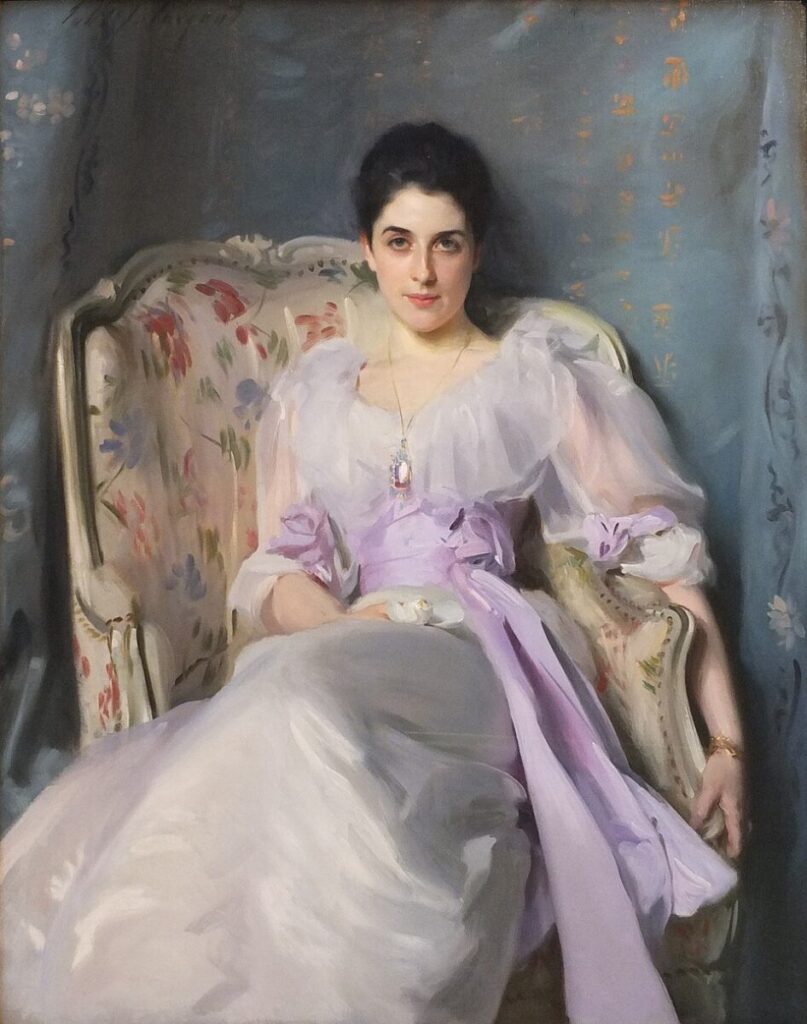
The exhibition traces how quickly Sargent rose in the Paris art scene. His portraits stood out for their clarity, strong compositions, and relaxed confidence.
Sitters looked modern, alert, and real. Fabrics, skin tones, and light were handled with remarkable ease.
Several of the works shown at Orsay were painted specifically for the Paris Salon. They reveal how closely Sargent followed Parisian taste while subtly pushing against it.
He was not an outsider painting from the margins, he was fully engaged with Paris culture, fashion, and society.
The show also includes landscapes and studies that reveal another side of his work. These pieces show how freely he experimented with light and movement outside the formal constraints of portrait commissions.
The scandal that changed his path
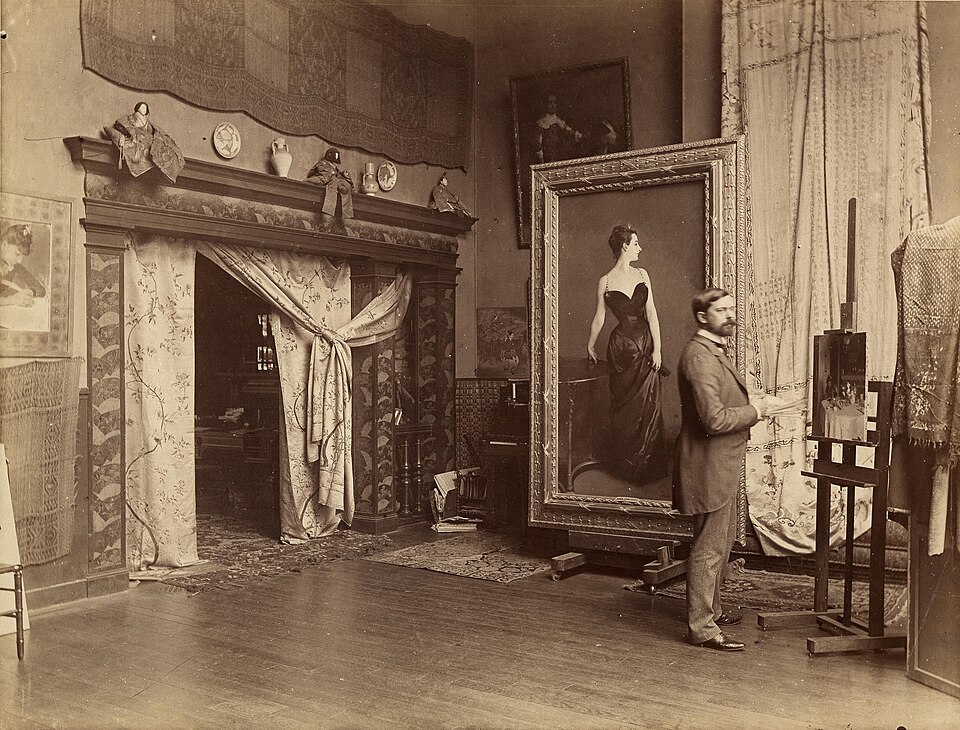
No Sargent exhibition focused on Paris can avoid Madame X. Painted in 1884 and shown at the Salon the same year, the portrait caused a public backlash.
The sitter’s pose, styling, and exposed confidence shocked viewers. Critics were harsh. Sargent was deeply affected.
The exhibition places Madame X back into its original Paris context, where it makes far more sense than it often does in isolation.
Seen alongside his other Paris works, the painting feels like a bold extension of what he was already doing, not a sudden provocation.
After the scandal, Sargent left Paris and gradually shifted his base to London. His international career took off from there, but his Paris years were over.
What makes the Orsay Sargent show unique
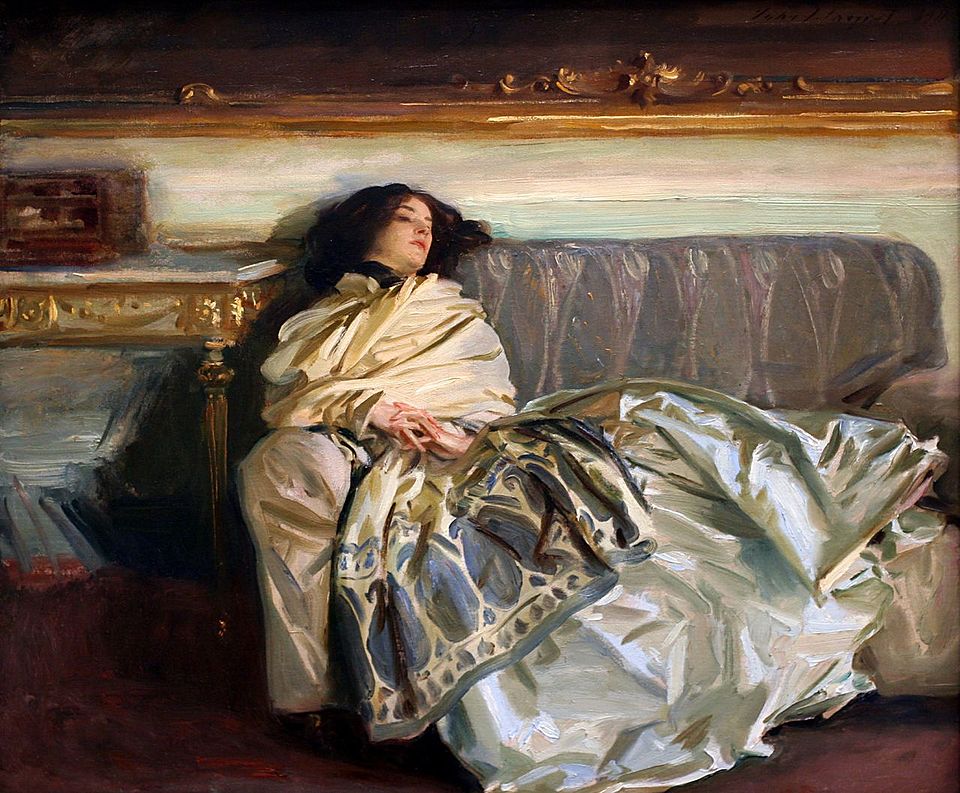
Most Sargent exhibitions focus on his later success in London and the US. Orsay does the opposite. It stays tightly centered on the Paris years and treats them as a complete chapter.
Several works in the show were painted specifically to impress the Paris Salon jury. Others were studio experiments that never left France at the time.
The exhibition also reunites paintings that have been scattered across American and British collections for decades. Some have not been shown in Paris since the 19th century.
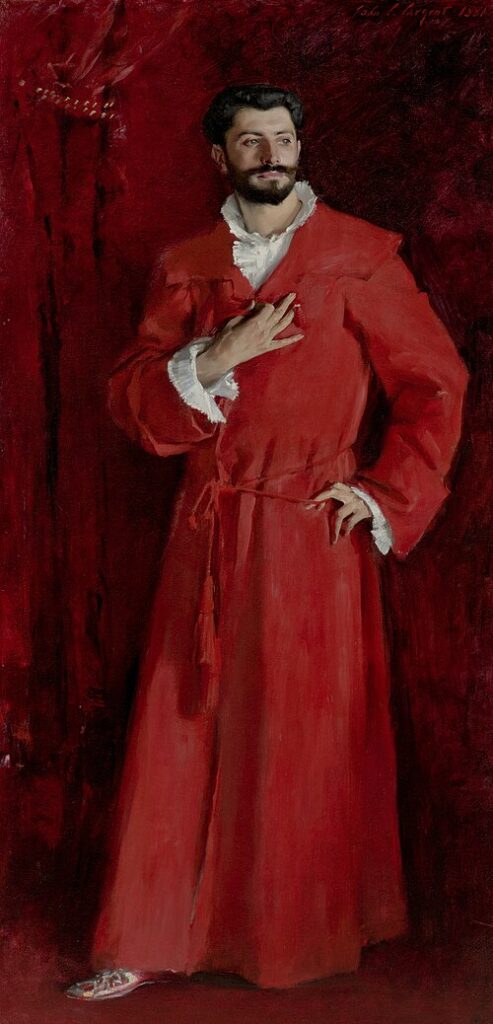
Sargent painted many of them with a Paris audience in mind, adapting his subjects, poses, and palette to French expectations rather than Anglo-American taste.
The show is co-organized with the Metropolitan Museum of Art in New York, which allows major loans that France rarely gets access to. That includes works normally considered untouchable outside the US.