
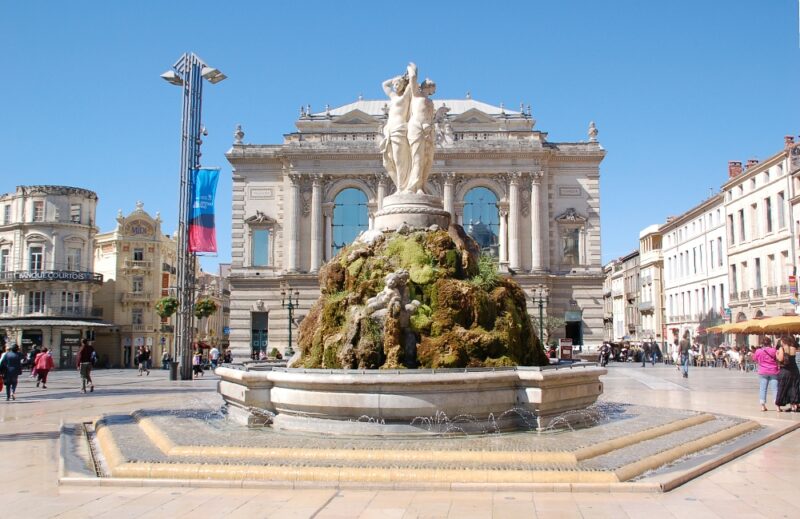
Montpellier: Fastest Growing Destination for US Expats
Montpellier is currently the fastest-growing metropolitan area in France, and for the first time, American expats are driving a significant portion of that momentum. While Paris holds a larger total number of US citizens, Montpellier has seen a massive 11% spike in residency permits issued to non-EU nationals over the last year.
Americans are increasingly choosing this Mediterranean hub because it offers a 300-day-a-year sunny climate and a cost of living that is roughly 40% lower than major US cities.
With a population nearing 491,000, the city provides a high-energy, international atmosphere without the extreme congestion of the capital.
Cost of living is the most immediate draw for those relocating from the US. In 2026, the average rent for a one-bedroom apartment in the city center is approximately $750, a stark contrast to the $4,000 averages found in New York or the $2,500 prices in Los Angeles.
Daily expenses follow a similar trend with a high-quality three-course meal costing about $35 per person. For a comfortable lifestyle including rent, a single person can live well on approximately $2,200 a month, a figure that is nearly impossible to match in a comparable US coastal city.
2026 Visa Landscape
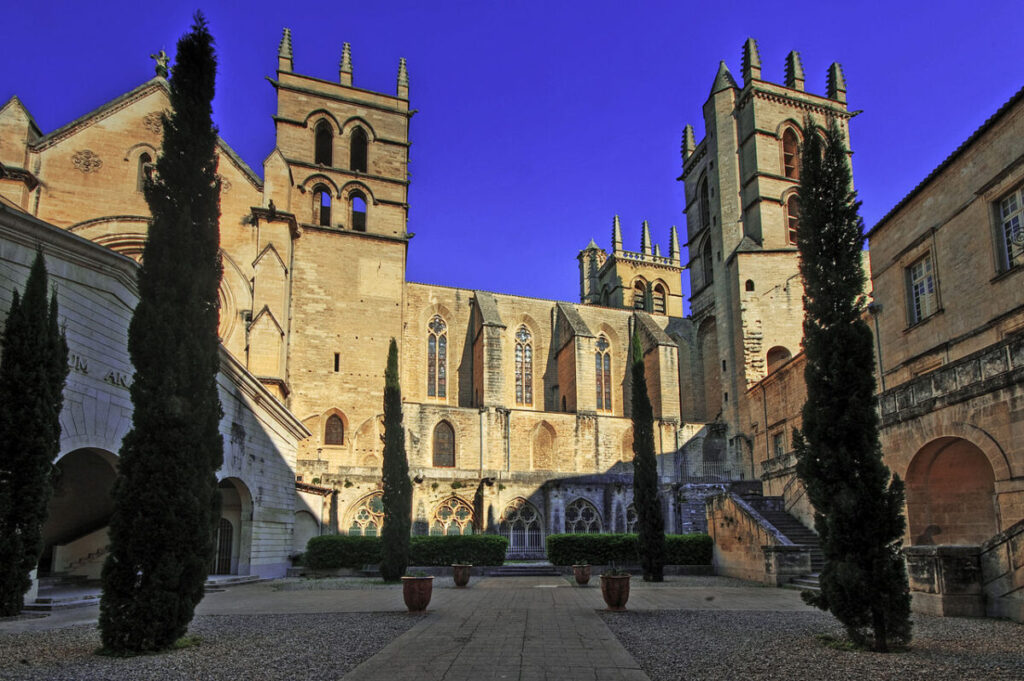
Relocating requires a clear understanding of the French immigration system, which has become more selective as of 2026. Most Americans enter via the Long-Stay Visitor Visa, which is ideal for retirees or remote workers with US-based income.
This visa requires proof of sufficient passive income and a commitment not to seek local French employment.
For those with specific professional skills, the Talent Passport remains an attractive option. It offers a 4-year residency permit for researchers, tech founders, and highly qualified employees, with a minimum salary threshold recently updated to approximately $42,500 (€39,582).
Administrative requirements have tightened recently, particularly regarding integration. New arrivals in 2026 are now required to pass a basic civic knowledge test to secure their first multi-year residence card.
Additionally, while the US-France Tax Treaty prevents double taxation on most income, Americans are still required to file tax returns in both countries.
It is also important to note that the EU Entry/Exit System now uses biometric tracking, so it’s essential to keep all residency permits and digital records updated to avoid travel complications within the Schengen Area.
Quality of Life
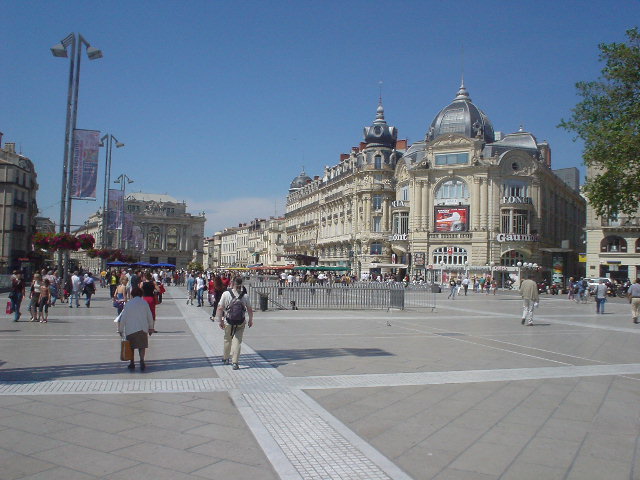
One of the most cited benefits by the local American community is the shift from a car-dependent US lifestyle to Montpellier’s pedestrian-heavy culture. The city has one of Europe’s largest car-free centers and an extensive tram network that costs roughly $55 for a monthly pass.
Many residents find they can save thousands of dollars annually by eliminating car payments and insurance. This walkable infrastructure, combined with the city’s proximity to the sea (just 7 miles from the center) creates a pleasant lifestyle centered on outdoor leisure and social interaction.
Healthcare remains a cornerstone of the expat experience. After 3 months of residency, Americans can apply for the PUMa public healthcare system.
Unlike the US model, where costs are often unpredictable and tied to employment, the French system provides universal access with transparent pricing.
A visit to a general practitioner is regulated at approximately $27, and most prescriptions are significantly subsidized. Montpellier is also a global medical hub, home to a large university hospital system and the world’s oldest active medical school.
Expat Community
Settling in Montpellier is made easier by a well-established expat infrastructure. Groups like InterNations and Democrats Abroad have active chapters that host weekly events and help newcomers with things like finding a “mutuelle” (top-up insurance) to learning the language.
While the city is international, the 2026 integration laws place a higher emphasis on French proficiency for long-term residency. Most successful moves involve enrolling in one of the city’s many language schools.
You’ll be joining the 70,000 students that give the city its youthful, dynamic reputation!