
The Nice Most Visitors Never See
Everyone who visits Nice walks the Promenade des Anglais. Everyone climbs Castle Hill. Both are worth it.
But Nice has a lot more going on.
Le Cours Saleya
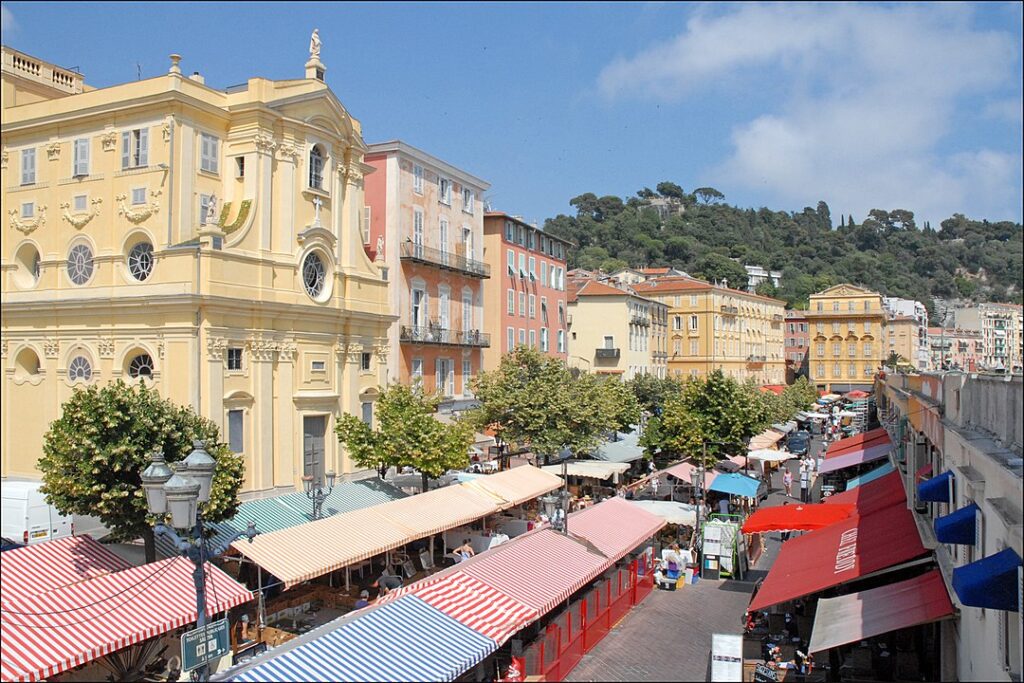
Tuesdays through Sundays, it’s a flower and food market. Mondays, it becomes a brocante, full of antiques and vintage objects.
Summer evenings bring an arts and crafts market under the lights.
Come before 10am. The cruise ship groups arrive after that, and the energy shifts.
L’Opéra de Nice
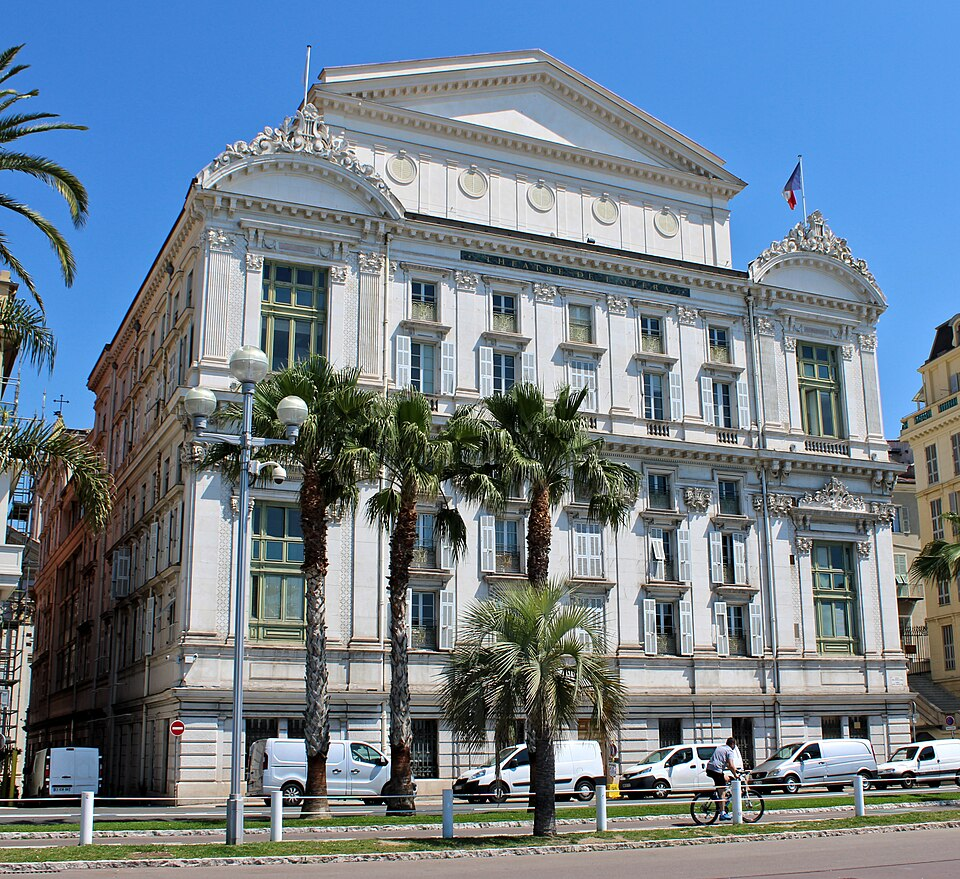
The Opera House is right behind Cours Saleya. Built in 1885. Visitors walk past it every day without ever going in.
Inside is a gilded Italian-style theater that hosts opera, ballet, and classical concerts year-round. Tickets cost a fraction of what you’d pay in Paris for the same quality.
La Place Masséna
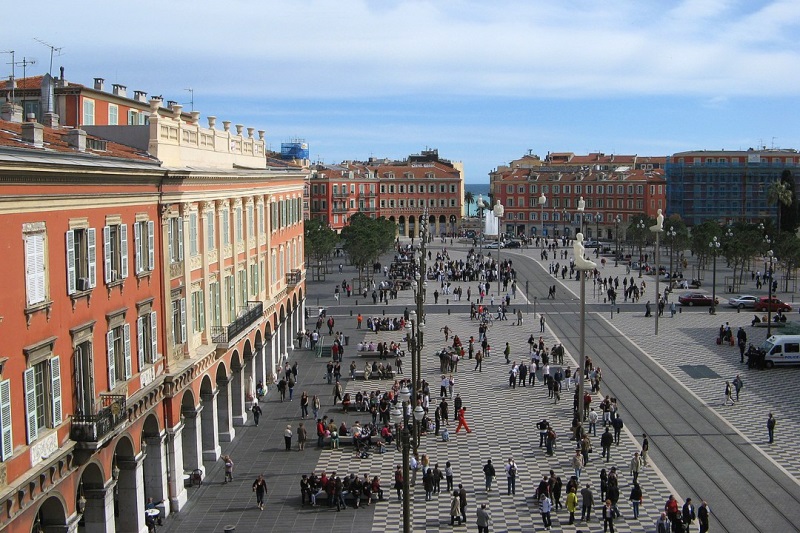
Nice’s main square is easy to rush through. Don’t.
The red-ochre buildings, the bronze fountain, the tall silhouette figures that glow on poles after dark: this is one of the best-looking central squares in France.
Sit at a café table on the edge and watch the trams go by.
La Place Rossetti
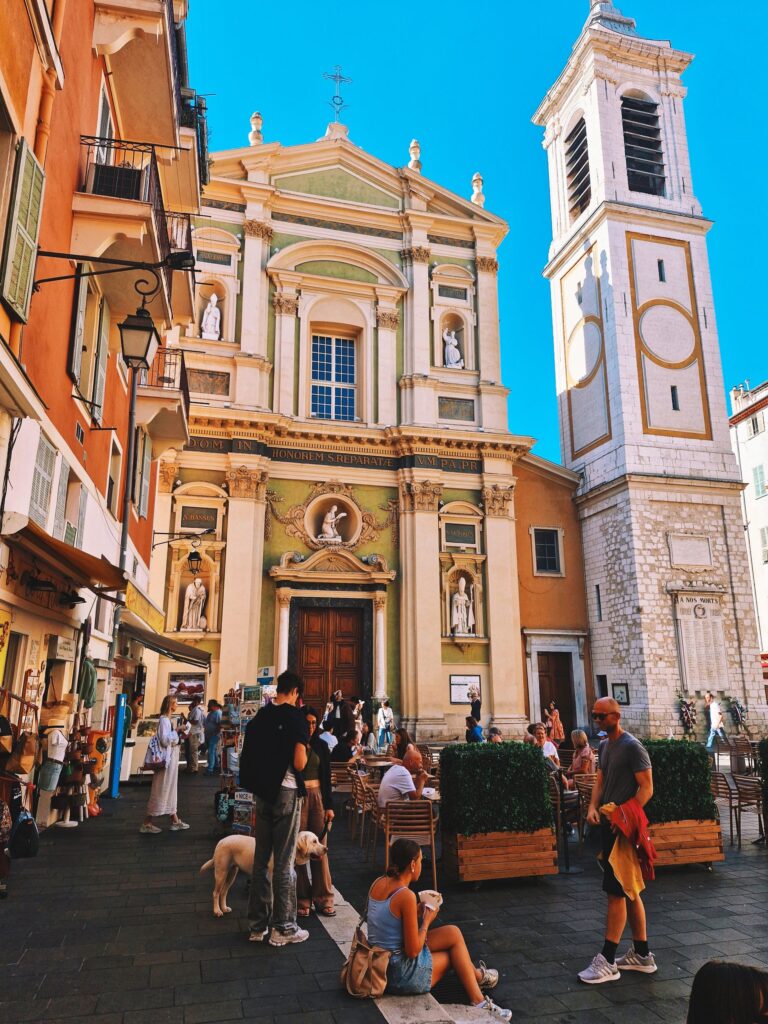
A few blocks deeper into the old town, Place Rossetti has a different feel entirely.
The Cathédrale Sainte-Réparate anchors one side. A gelateria anchors another. The rest is umbrella tables, soft light, and locals who treat this square like a living room.
Le Palais Lascaris
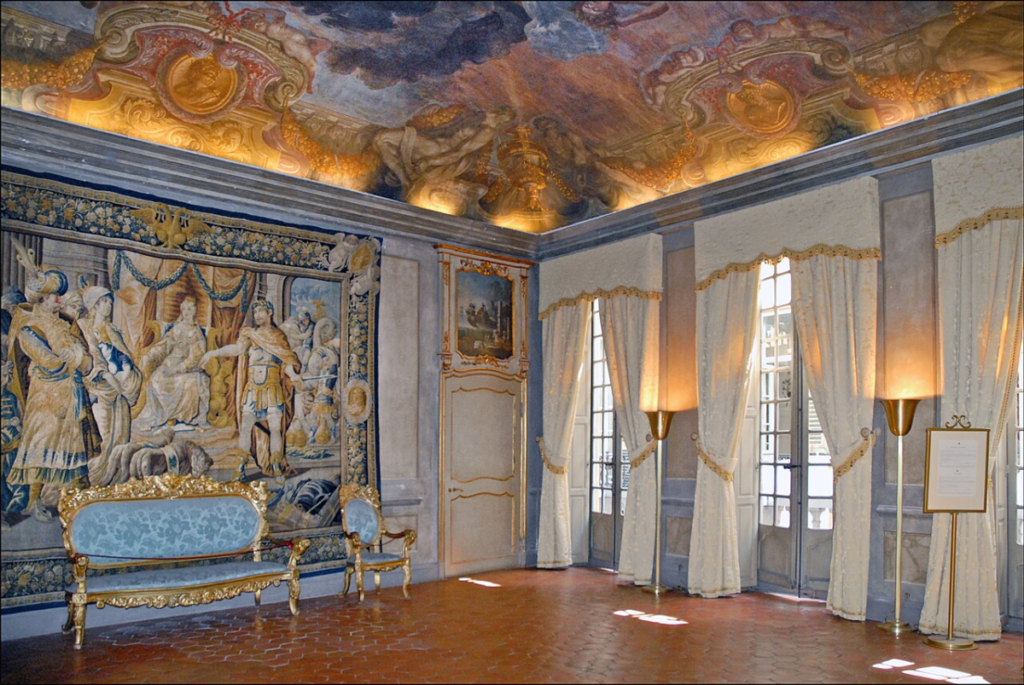
From the street, it’s just a heavy door on a narrow lane. Inside is a 17th-century baroque palace with richly decorated rooms, Flemish tapestries, and over 500 antique musical instruments.
Entry is free with the Nice Museum Pass: 15€ for 4 days across 10 municipal museums. Closed Tuesdays.
La Place Garibaldi
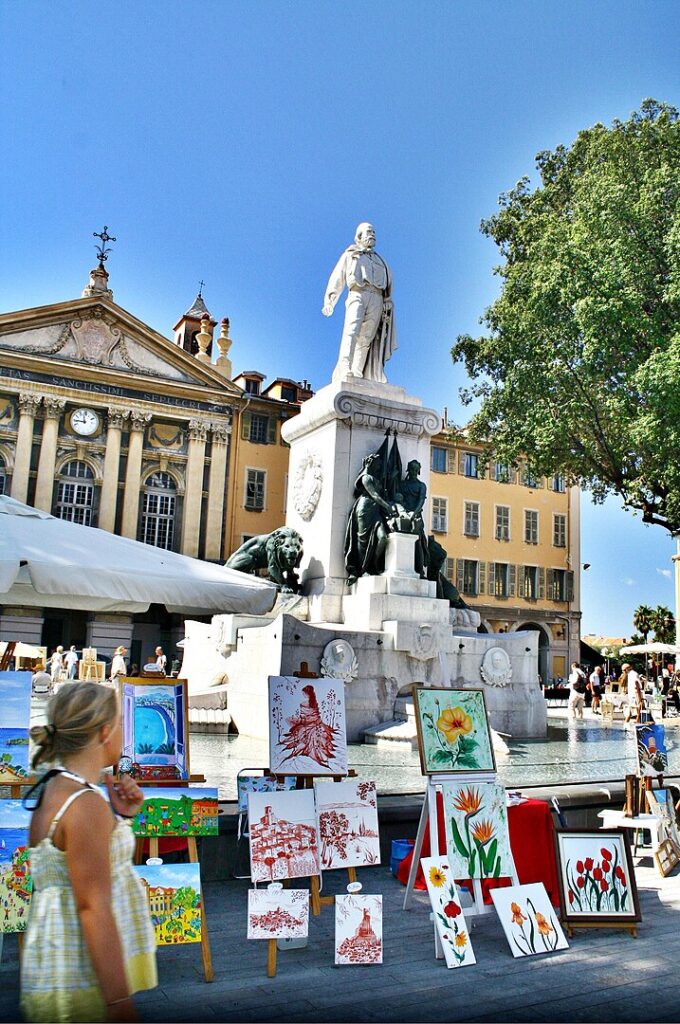
The largest square in Nice, and one of the most beautiful. The yellow neoclassical arcades date to the 18th century.
It’s calmer than Place Masséna, less visited, and surrounded by good restaurants. The tram stops right here.
If you want to stay in the old town without paying Promenade prices, Hotel Villa la Tour is tucked into a side street nearby. Regulars praise the location and the staff. Rooms from around 66€ per night.
La Cathédrale Saint-Nicolas
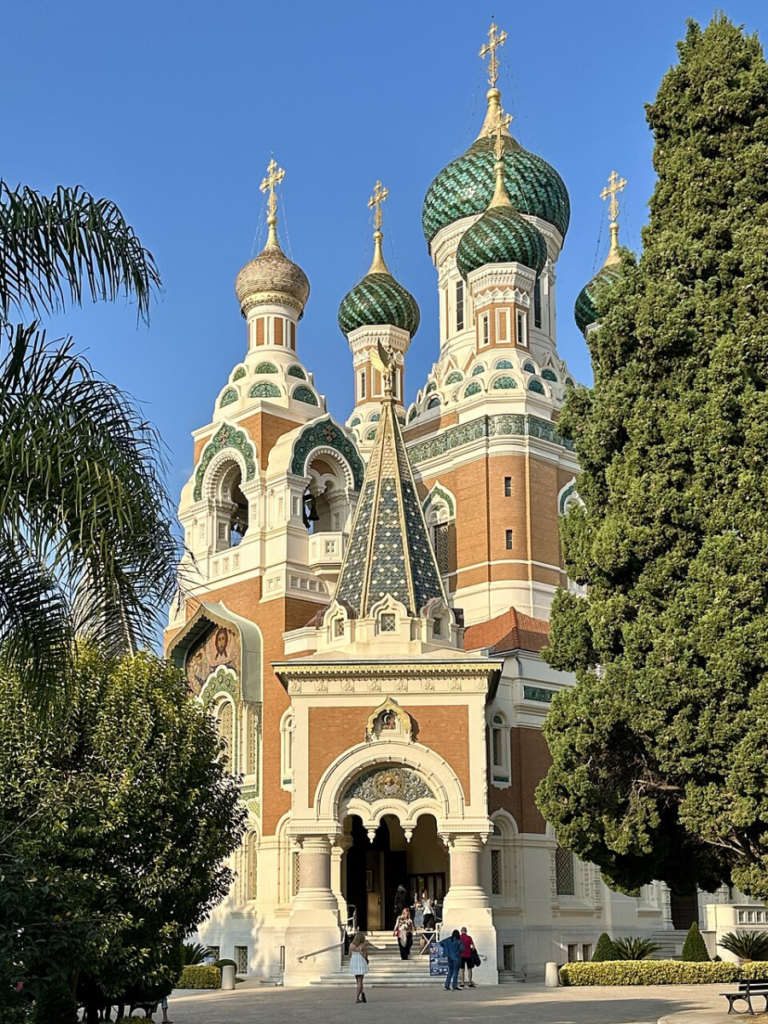
The largest Russian Orthodox cathedral outside Russia.
Six onion domes. Vivid exterior mosaics. Inside, icons and carved wood screens in the Byzantine tradition.
It was built in 1912 for the Russian aristocrats who wintered on the Riviera. Entry costs 3 euros.
Le Vieux Port
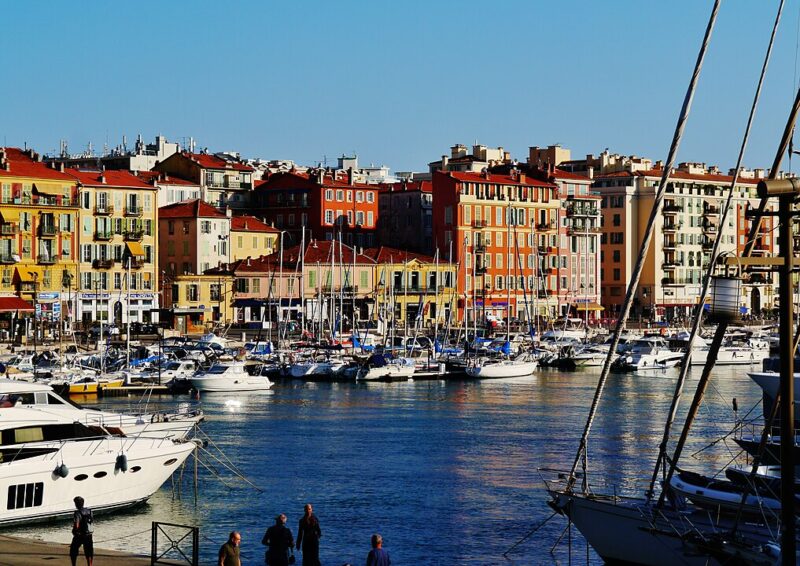
East of the old town, the port has a completely different feel from the rest of Nice. Fishing boats and luxury yachts share the same basin.
The surrounding streets are quieter. The restaurants skew local. And the view back toward the old town from the water is one of the best in the city.
L’Ancien Hôtel Régina
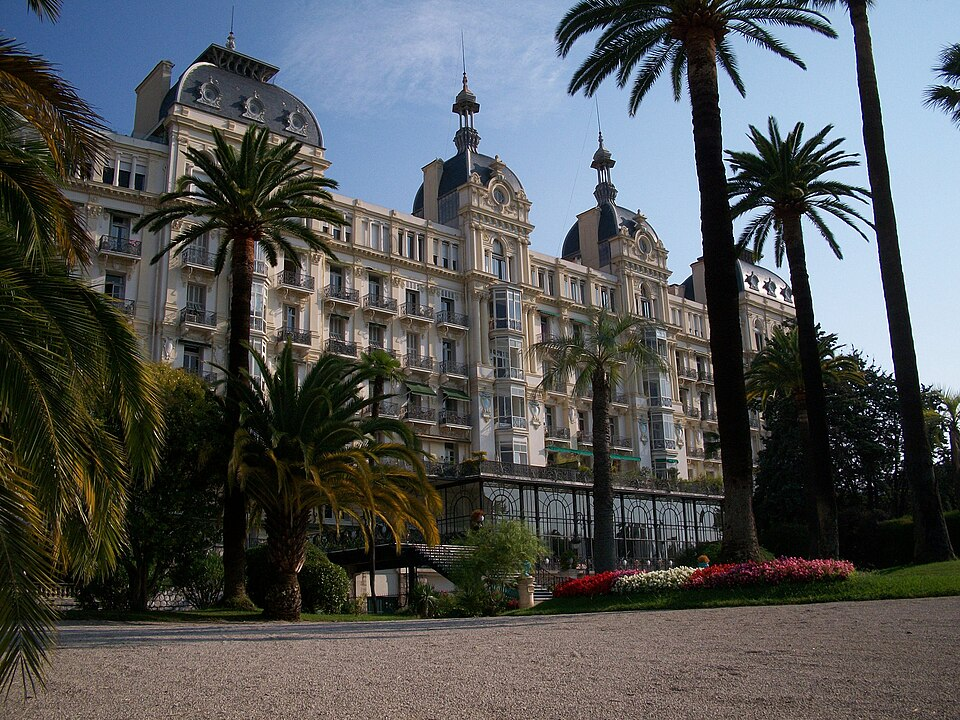
It’s private apartments now, so you can’t go inside. But the building itself is worth the walk up to Cimiez.
Built in 1897 for Queen Victoria, who wintered here every year. The western rotunda with its crown-topped dome was her private wing.
Henri Matisse later lived and worked here for years.
Le Monastère de Cimiez
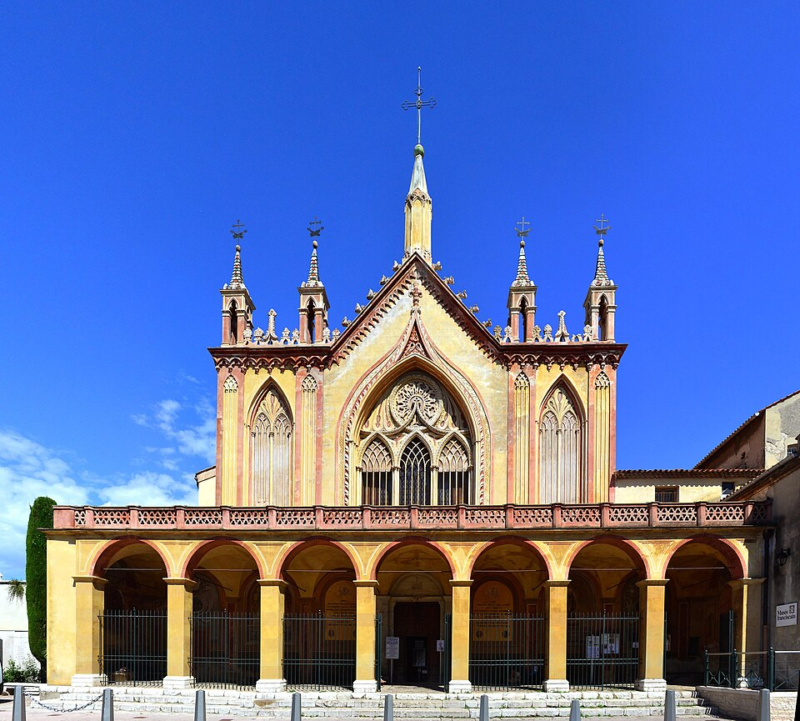
A Franciscan monastery on the Cimiez hill, with roots going back to the 11th century. The current church dates to the 16th.
The gardens are quiet and open to visitors. The cemetery next to the church is where Henri Matisse and Raoul Dufy are buried. Simple graves, easy to find.
Pair this with the Matisse Museum next door.
Le Musée Matisse
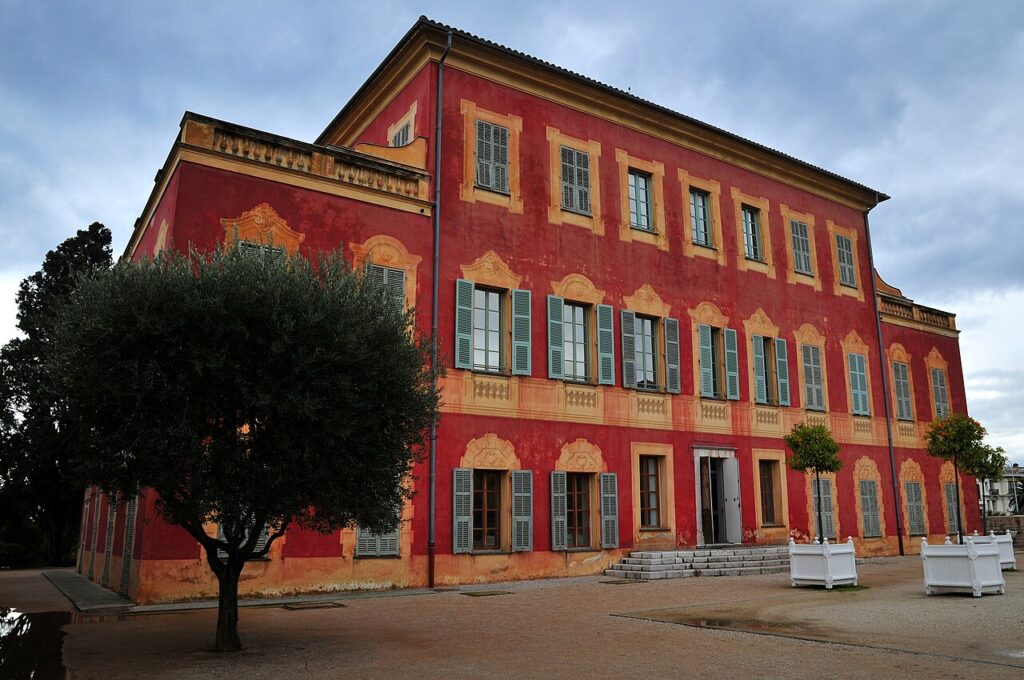
Matisse lived in Nice for nearly 40 years. He died here in 1954 and is buried in the monastery cemetery a short walk away.
The museum is inside a 17th-century Genoese villa in the Cimiez gardens, surrounded by Roman ruins.
The collection covers his full career: paintings, sculptures, drawings, and the paper cut-outs from his final years.
Covered by the 4-day municipal museum pass. Closed Tuesdays.
Le Musée Marc Chagall
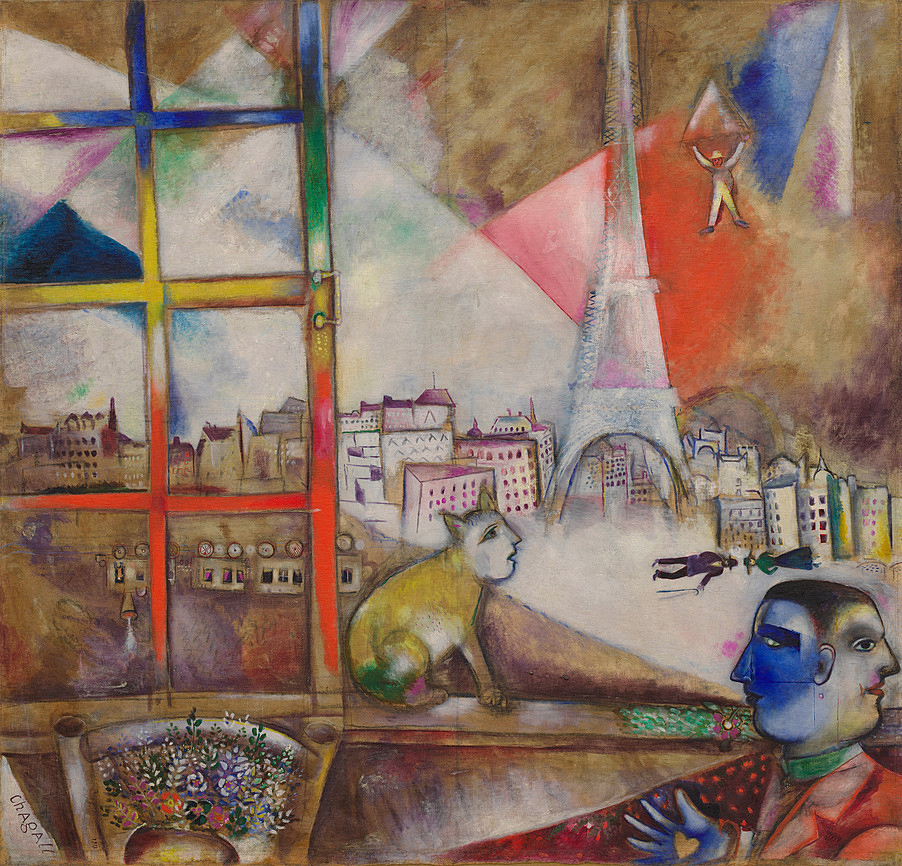
Chagall helped design this museum himself. He chose where each painting would hang.
The permanent collection holds 17 large-scale canvases on biblical themes, including Genesis, Exodus, and the Song of Songs.
Plus stained glass windows, mosaics, and over 400 works on paper.
Admission is 10€ for adults. Free for under-18s and EU residents under 26. Closed Tuesdays.
Le Musée d’Archéologie de Nice
Also in Cimiez, next to the actual ruins of Cemenelum, the Roman city that preceded Nice.
You can walk through excavated thermal baths and a small amphitheater. The museum inside covers the Bronze Age through the medieval period. Worth an hour, and easy to underestimate.
Le Musée des Beaux-Arts
A 19th-century villa built for a Ukrainian princess, now housing Nice’s Fine Arts collection.
Strong holdings in Impressionist and post-Impressionist work. Rarely crowded. Covered by the municipal museum pass. Closed Mondays.
Le Musée Masséna
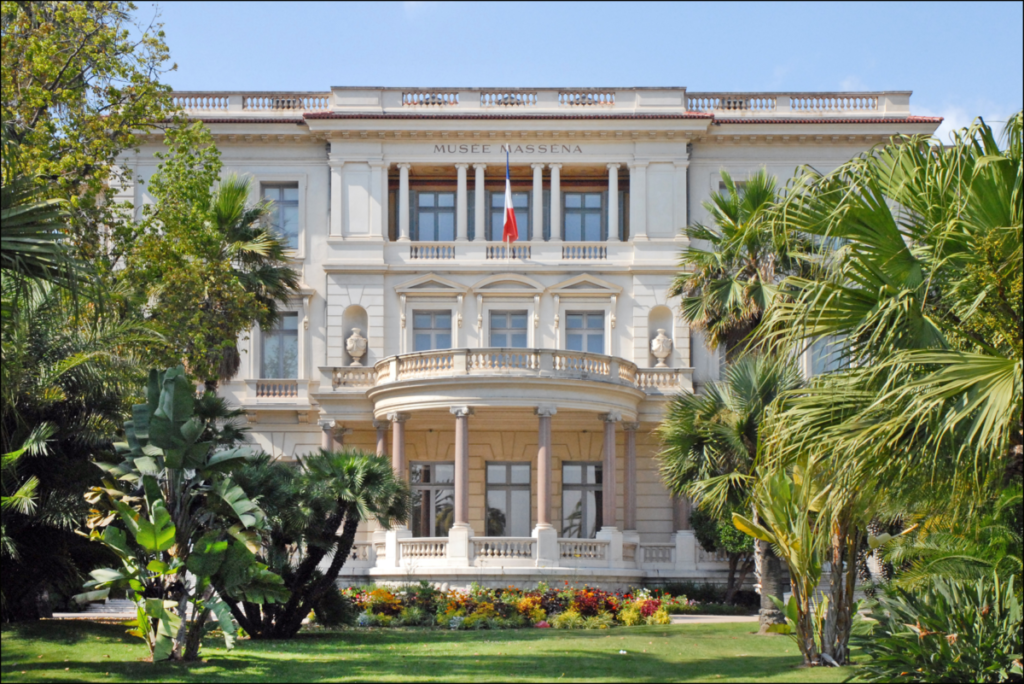
A Belle Époque villa near the Promenade, with a formal garden that’s free and open year-round.
Inside, the collection covers Nice’s history from the Napoleonic era through the 1930s. Good for understanding how the city became what it is. Closed Tuesdays.
For a hotel with a terrace pool and sea views without the Promenade rates, Hôtel La Pérouse sits just above the old town with direct access to a rock beach. TripAdvisor guests regularly call it the best-located hotel in Nice. Rates from around 200€ per night.
L’Observatoire de Nice
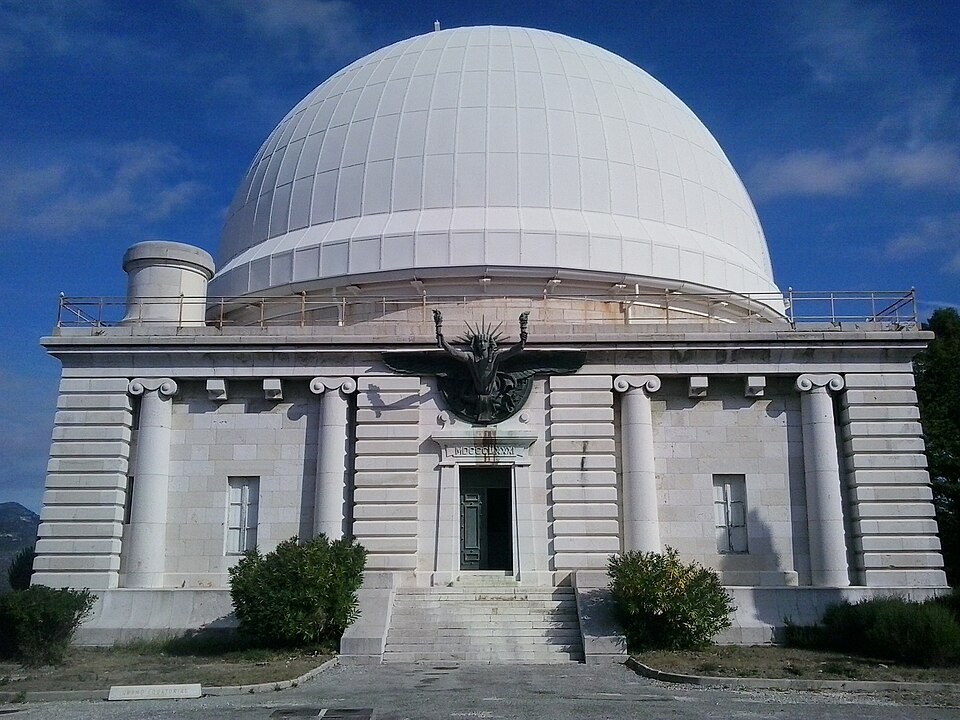
This one takes planning. Visits are guided only, no walk-ins accepted.
The observatory on Mont Gros was built in 1881. Charles Garnier designed it (the same architect behind the Paris Opera House). Gustave Eiffel built the rotating dome.
Tours run Wednesdays and Saturdays, last about two hours, and include panoramic views across the whole Côte d’Azur. Book in advance at oca.eu.
Le Sentier du Littoral
Starting from the port, this coastal footpath follows the Mediterranean around Mont Boron all the way to Villefranche-sur-Mer.
The full walk takes about 90 minutes. The terrain is uneven: cobblestones, steep steps, and sections where the markers disappear.
Download the map before you go. Wear real shoes, not sandals. The views from the headland looking back at Nice make it worth every step.
La Promenade du Paillon
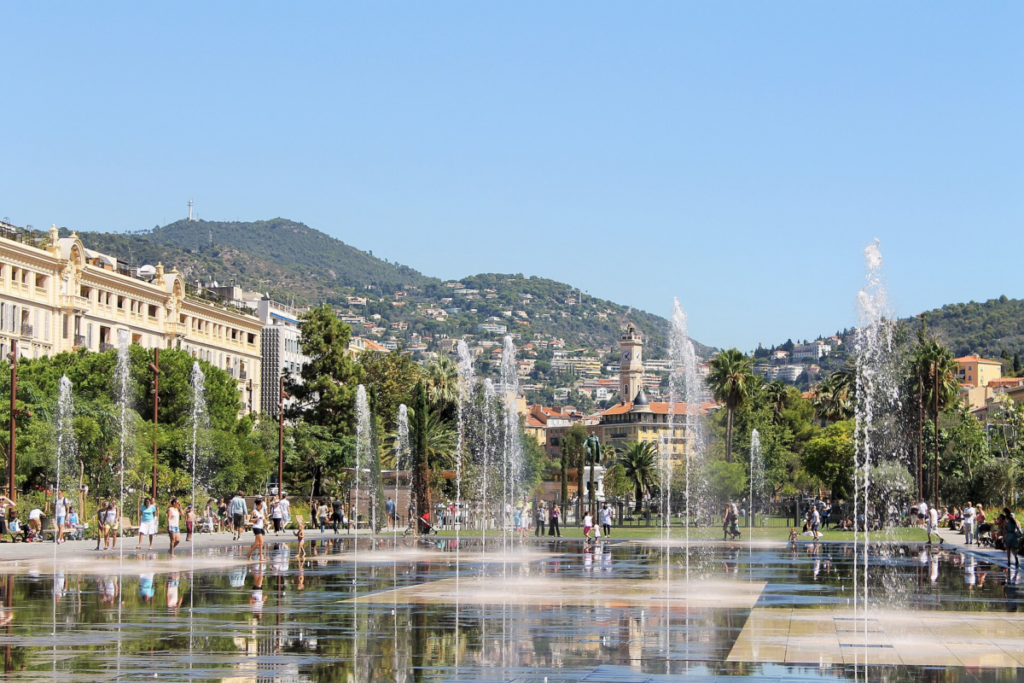
This is Nice’s urban park, running through the center of town from the bus station toward the theater.
It replaced a parking lot in 2013. Now it’s fountains, shade trees, a children’s play area, and weekend families stretched out on the grass. A useful green spine through an otherwise dense city.