
The Quiet Paris Museum That Explains How France Works
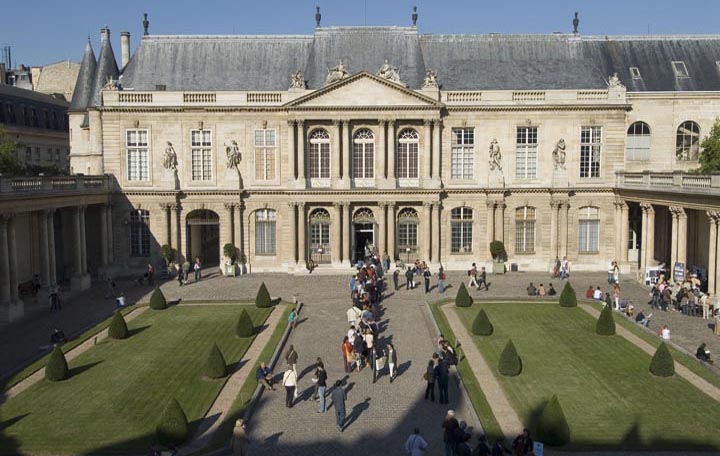
The Musée des Archives Nationales sits in the Marais (Paris 3è), inside the Hôtel de Soubise and the Hôtel de Rohan. Together, the Archives Nationales complex covers about 3 hectares in the heart of the district. The museum itself has been open to the public since 1867.
The Hôtel de Soubise is the centerpiece. The building took its current form in the early 1700s, when it was transformed by the family of François de Rohan-Soubise and his wife, Anne Chabot de Rohan.
It was designed as a high-ranking aristocratic residence, meant to display power, lineage, and wealth through architecture and interior decoration.
During the French Revolution in 1789, the property was seized by the state and placed under sequestration. It was later sold to the family’s creditors.
The French state officially acquired the building by imperial decree on March 6, 1808, under Napoleon, and assigned it to the Archives of the Empire. The Archives Nationales moved here the same year.
This is not a general history museum. It focuses on original state records and how France documents power, law, and daily life. Everything on display comes directly from the national archives, with documents ranging from the Middle Ages to the modern era. Items rotate regularly for conservation.
Among the most important texts shown in past and current exhibitions are the Edict of Nantes, the Ordinance of Villers-Cotterêts, and the Oath of the Tennis Court. Other displays include medieval royal charters, feudal contracts, court rulings, tax records, maps, seals, and early administrative files.
Foundational texts such as the 1789 Declaration of the Rights of Man and early Napoleonic legal documents also appear depending on the exhibition program.
Permanent rooms explain how archives are created, classified, and preserved. Visitors can see parchment documents, early paper formats, wax seals, and filing systems used before modern bureaucracy.
The museum clearly shows how record-keeping expanded under the monarchy, was reshaped during the Revolution, and became centralized under Napoleon.
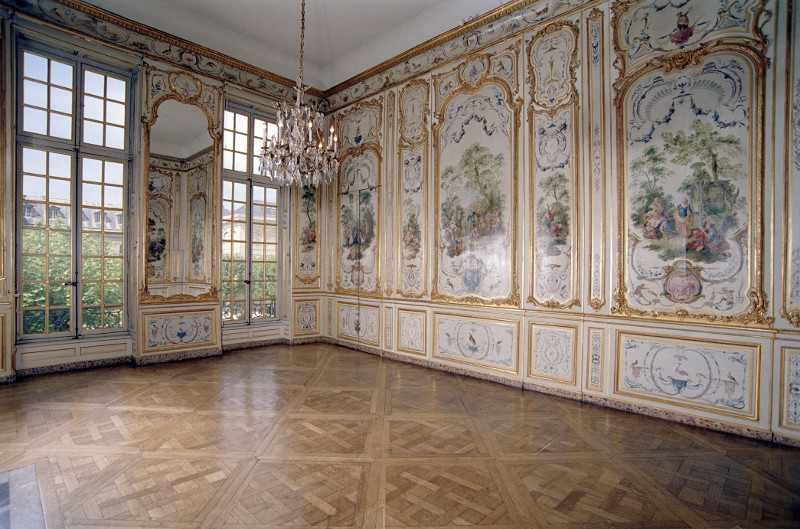
The interiors are a major reason to visit. The ceremonial salons of the Hôtel de Soubise are among the finest Rococo interiors in Paris with wood paneling and painted ceilings, including work attributed to François Boucher.
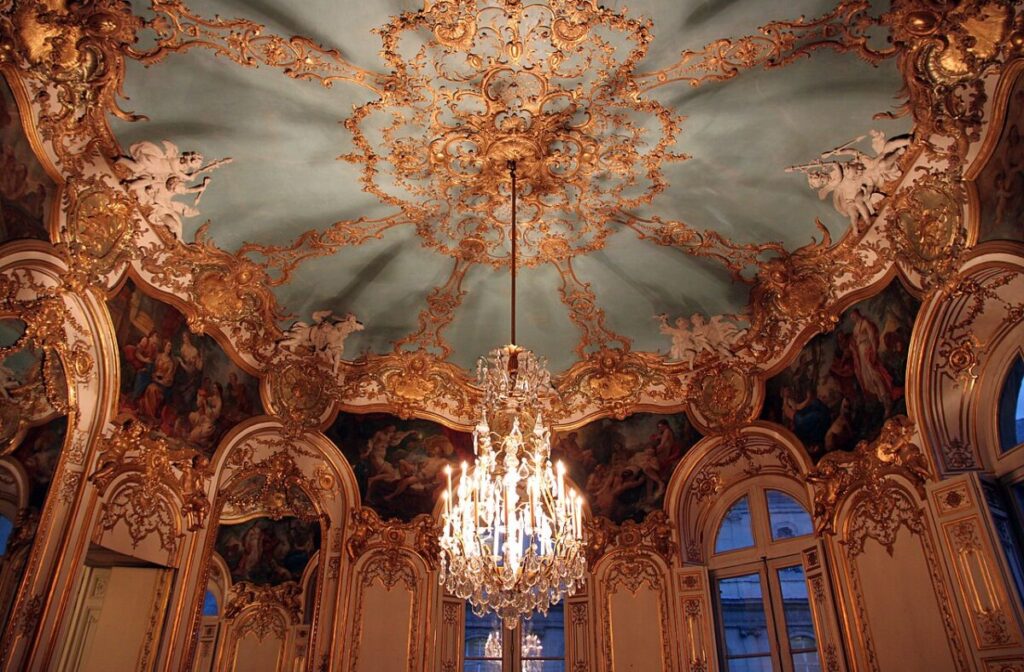
These rooms survived the Revolution intact and were later reused rather than dismantled, which is rare.
The Hôtel de Rohan, next door, housed senior royal officials and later archival departments and completes the historical setting.
***
Location: 60 rue des Francs-Bourgeois, 75003 Paris
Opening hours: Monday, Wednesday-Friday 10:00-17:30; Saturday-Sunday 14:00-17:30
Metro: Hôtel de Ville (Line 1), Rambuteau (Line 11), Arts et Métiers (Line 3)
Average visit time: 1 to 1.5 hours
The permanent collection is free, temporary exhibitions are often ticketed