
The Portuguese Towns Where Your Dollar Goes Three Times Further
Portugal keeps showing up at the top of every “best place to retire” list. International Living named it the #1 safest retirement destination for 2026.
The weather is mild, the food is good, and a glass of wine at a café terrace costs less than a cup of coffee back home.
But the numbers that really matter are the property prices.
Portugal’s national median listing price hit €3,107 per square meter in March 2026, according to Idealista.
That’s roughly $336 per square foot. In most of the towns below, you’re paying less than $160 per square foot. Some go as low as $106.
The Big Catch First
Before the list: the tax situation changed.
Portugal’s famous Non-Habitual Resident (NHR) tax regime ended. Anyone who didn’t lock in NHR status before April 2025 now faces Portugal’s standard income tax rates — 13% to 48%, progressive.
That flat 10% pension rate that made Portugal so financially attractive to American retirees? Gone for newcomers.
The D7 passive income visa still exists, and US-Portugal tax treaties can reduce the exposure somewhat. But anyone planning to retire there now needs a tax advisor, not a travel blog.
That said, the cost of living, especially property, remains compelling.
Portalegre
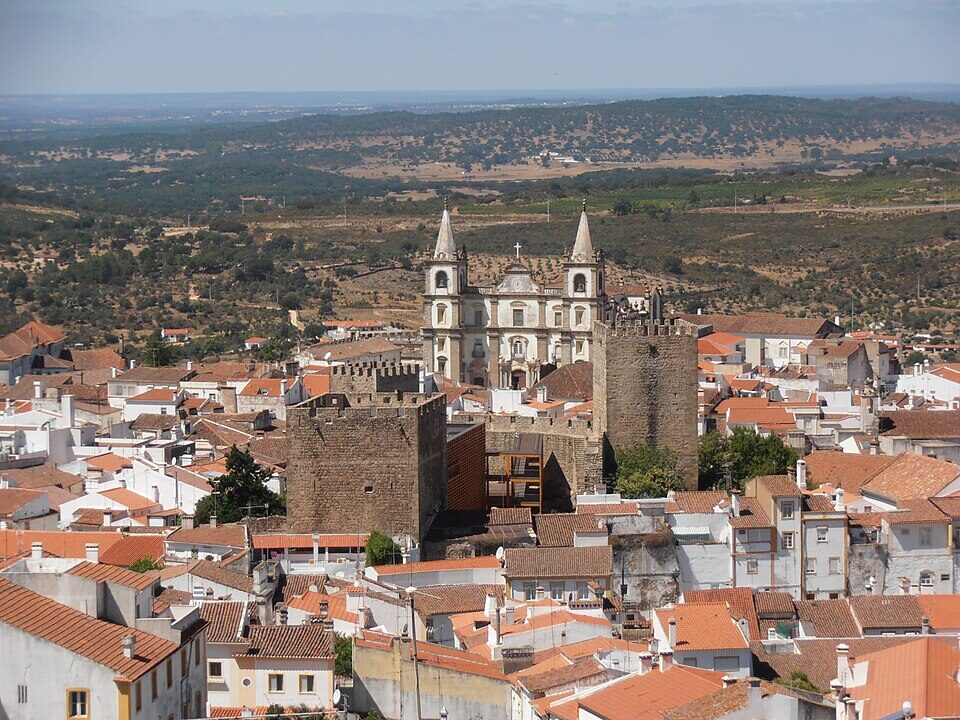
Portalegre records the lowest median listing price of any district capital in mainland Portugal: $110 per square foot.
The town sits in the Serra de São Mamede mountains above the Alentejo plains, which keeps summer temperatures noticeably cooler than the scorching lowlands.
There’s a 24-hour hospital, a municipal market, and bus service to Lisbon 3 hours south.
Guarda
At 1,056 meters above sea level, Guarda is the highest city in Portugal. Median listing price: $115 per square foot.
Expect snowy winters and cool summers. Direct rail links reach both Lisbon and Porto, and Hospital Sousa Martins handles regional public care.
Serra da Estrela, with skiing in winter and river beaches in summer, is about an hour by car.
Castelo Branco
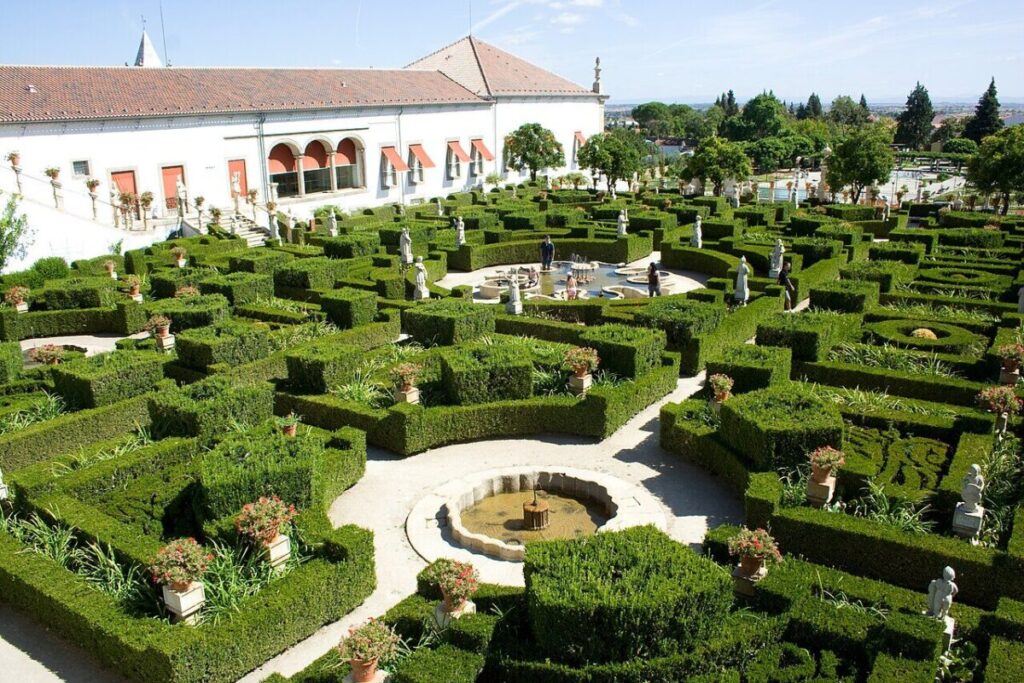
Right near the Spanish border, Castelo Branco comes in at $106 per square foot, the cheapest entry on this list.
The town has a university, a full hospital, and a train station. The Jardim do Paço Episcopal is one of Portugal’s strangest and most beautiful Baroque gardens, with stone apostles and kings arranged among clipped boxwood.
Nearby, the Naturtejo UNESCO Geopark protects dinosaur footprints and river gorges.
Bragança
Medieval walled citadel, wolves in the surrounding national park, and a listing price of $112 per square foot.
Bragança sits on the edge of Montesinho Natural Park, one of Portugal’s largest protected areas, home to wild boar and golden eagles.
Winters are cold, but the dry continental climate means crisp air and reliable winter sun. The isolation keeps prices down.
Beja
Whitewashed houses, orange trees, and a 13th-century castle keep that rises 40 meters above the Alentejo plains.
Beja’s median listing price sits at $150 per square foot, still well below Algarve coastal rates.
Hospital José Joaquim Fernandes serves the entire Baixo Alentejo region with 24-hour emergency care.
Local markets sell black pork, regional cheeses, and wine from the nearby Vidigueira DOC.
Vila Real
The Douro Valley wine terraces begin within a short drive of Vila Real, a district capital priced at $154 per square foot.
The Palácio de Mateus, the Baroque manor house on every bottle of Mateus Rosé, sits just outside town.
Porto is 100 kilometers west. Parque Natural do Alvão offers waterfalls and granite trails in the mountains to the west.
Covilhã
A university town at the foot of Serra da Estrela, Covilhã comes in at $148 per square foot.
Old textile mills now house museums and student housing for the University of Beira Interior.
Centro Hospitalar Universitário Cova da Beira is a major public teaching hospital. The ski slopes of Serra da Estrela are a short drive up the mountain.
Santarém
Sitting on a limestone ridge above the Tagus River, Santarém lists at $192 per square foot – still affordable and 80 kilometers from Lisbon by train.
Horse country surrounds the town. The Lusitano breeding tradition runs deep here, with working cattle estates and riding schools. Fátima is 40 kilometers north.
Ponta Delgada
This one requires a transatlantic mindset shift. Ponta Delgada is the main city of São Miguel Island in the Azores. Subtropical, mid-Atlantic, and technically Portuguese.
The Azores have their own regional hospital system, with Ponta Delgada hosting the largest facility on the islands. There’s a direct international airport.
In the winter, temperatures rarely drop below 14°C (57°F). In summer, they rarely exceed 26°C (79°F).