
What Retiring in Italy Actually Costs – and the Tax Rule Most Americans Miss
I’ll be honest: when I first heard that couples were retiring in southern Italy on $1,500 a month, I assumed there was a catch.
There kind of is. But it’s a smaller catch than you’d think.
The average American household aged 65 and older spends about $4,345 every month in the U.S.
In parts of Italy, a couple can live well on a third of that. Good healthcare, good food, good weather. The math is hard to argue with.
Where Retirees Are Choosing to Live
Puglia is the one that comes up most. It’s the heel of Italy’s boot – whitewashed towns, olive groves, turquoise water, and food that relies on whatever was caught or picked that morning.
It’s not flashy. It’s just genuinely lovely to live in.
A one-bedroom apartment in a Puglia town center runs 400 to 600 euros a month. Outside the center, you can find one for 300€.
In towns like Ceglie Messapica, some expats have bought three-bedroom homes for around $53,000.
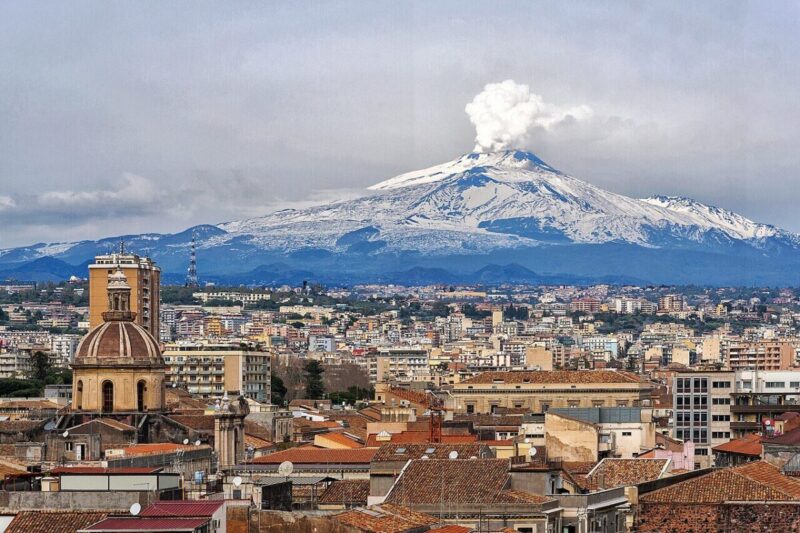
Sicily is right behind it on those lists. The island has a real expat community now, especially around Catania, Siracusa, and Ragusa.
White Lotus put it on people’s radar, but retirees were already settling in long before HBO showed up.
Abruzzo doesn’t get nearly enough attention. It sits between the Apennine mountains and the Adriatic coast, with the same hilltop villages and rolling countryside as Tuscany at about half the price.
Property there averaged 1,190€ per square meter in May 2025. In Tuscany, that same meter runs 2,378 euros.
Le Marche is another quiet one. It’s on the Adriatic coast, it has the medieval towns, and it’s genuinely affordable. One expat couple reportedly bought a home 30 minutes from the beach for $106,000.
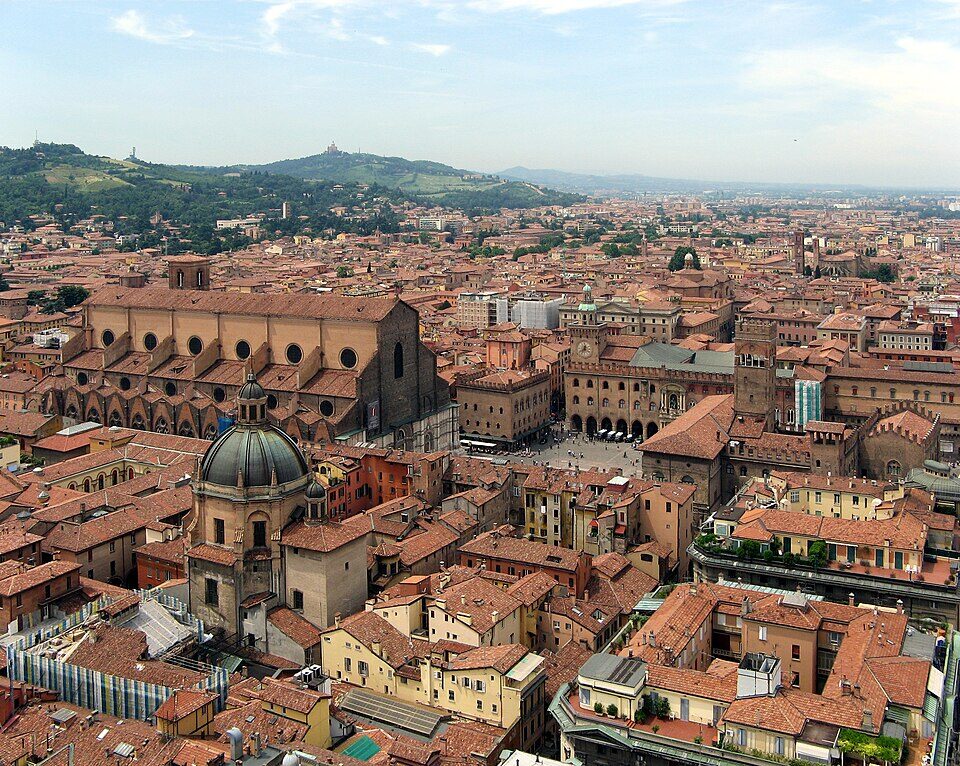
If you want city life, Bologna is worth a serious look. It ranked third on the TasteAtlas 2025/26 global food rankings and has some of the best hospitals in the country.
The train connections are excellent, and the streets are flat and walkable, an essential aspect when you’re planning to live somewhere full time.
The Visa You’ll Need
To stay in Italy long-term as an American retiree, you’ll need the Elective Residence Visa. It’s designed for people living on passive income – Social Security, pensions, investments, rental income.
You can’t work on it, but you don’t need to.
Italian consulates generally want proof of around 31,000€ per year in stable income for a single person, and more for couples.
You’ll need private health insurance and a documented plan for where you’ll live. The visa is valid for one year and renewable.
After five years, you can apply for permanent residency. After ten, citizenship becomes an option.
The paperwork takes longer than you’d hope. The key is doing things in order – get the visa approved before you move, not after.
The 7% Tax Program
Italy offers a flat 7% tax rate on foreign income for qualifying retirees who move to eligible small towns.
The eligible municipality size recently expanded to include towns with up to 30,000 residents, which opens up far more options than there used to be.
The southern regions, Sicily, Calabria, Campania, Puglia, Abruzzo, have the most towns that qualify.
You have to file correctly for it, which means working with a local accountant, but the savings can be meaningful if you’re bringing in retirement income from the U.S.
Healthcare
Italy’s national health service covers residents at very low cost. Expats who’ve used it describe the hospitals as modern and well-run, particularly in larger towns and cities.
Smaller, more rural areas can mean longer drives to specialists. If you have ongoing health needs, it’s worth checking what’s available within a reasonable distance of wherever you’re considering.
What the Numbers Look Like
Consumer prices in Rome are about 43.5% lower than in New York City without rent, and 57.3% lower when rent is included.
Average monthly rent for a city apartment in Rome runs around $1,140.
Go further south and the numbers keep dropping. Calabria has some of the lowest property prices in Italy, averaging around 912€ per square meter.
Sardinia, on the other hand, is a certified Blue Zone – one of just a few places on earth where people are statistically likely to live past 100.