
Versailles Is the One Everyone Knows. The Other Two Are Just as Impressive.
You’ve probably heard of Versailles. You might have heard of Fontainebleau. But Vaux-le-Vicomte? That one slips past most tourist itineraries. That’s a shame because it’s the château that Versailles was built to outdo.
These three châteaux form a triangle southeast of Paris, all reachable in a long weekend. Two of them see a fraction of Versailles’s crowds.
Vaux-le-Vicomte
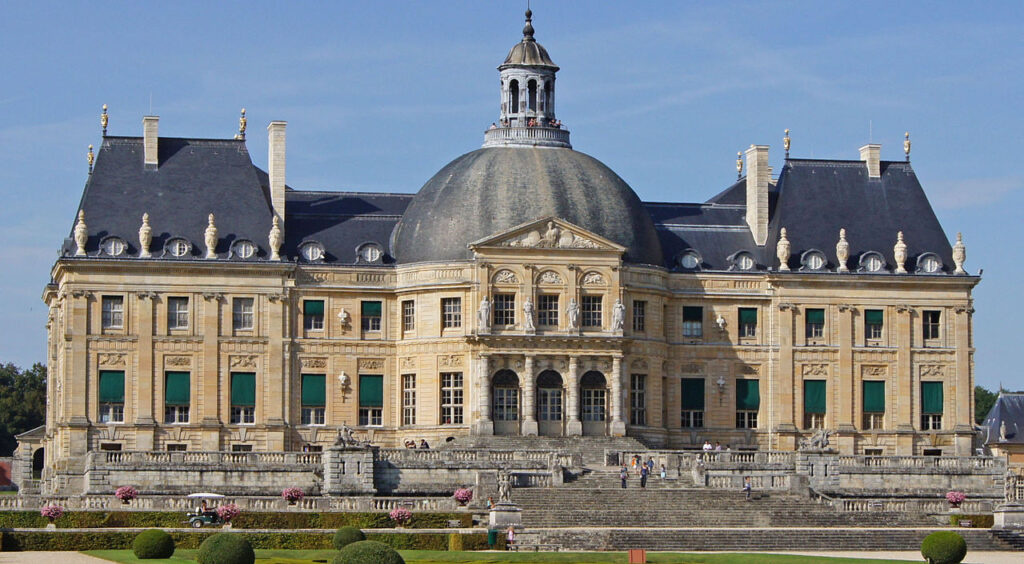
In 1661, Nicolas Fouquet threw the most lavish party in French history right here, inviting Louis XIV as his guest of honor.
Louis left furious, had Fouquet arrested three weeks later, and immediately hired the exact same team of architects, artists, and garden designers to build something bigger.
That team gave him Versailles.
It sits about 55 kilometers southeast of Paris, near the town of Maincy. The château and its 33 hectares of formal gardens were designed by Louis Le Vau, Charles Le Brun, and André Le Nôtre, working together for the first time.
The result is the most coherent piece of 17th-century French architecture in existence.
Getting there requires a bit of planning. Take the RER D or Transilien R to Melun (about 25 minutes from central Paris), then a taxi to the estate, which adds roughly 10 minutes and around €15 each way.
A shuttle runs from Paris every Saturday from mid-May through late September for the famous candlelit evenings.
Standard admission in 2026 is €18 for adults, gardens included. The estate opens daily from 10 AM to 5:30 PM between mid-March and November 1.
Book online for a 10% discount. Go on a weekday. Crowds are thin enough that you might walk the gardens almost alone.
Fontainebleau
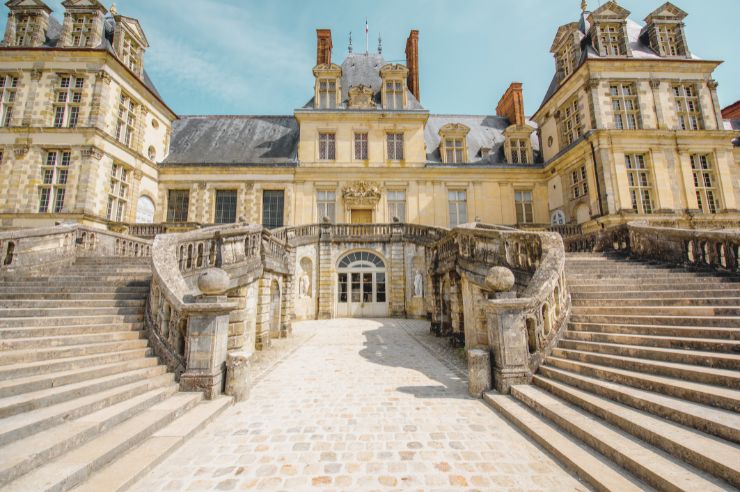
Fontainebleau is the easiest of the three to reach by train. From Paris Gare de Lyon, take the Transilien R toward Montargis or Montereau.
You’ll be at Fontainebleau-Avon station in about 40 minutes. Then it’s a 2-minute bus ride or a 30-minute walk through town to the palace gates.
The château itself is a UNESCO World Heritage site and admission is €14. It’s closed Tuesdays, January 1, May 1, and December 25. On the first Sunday of each month between September and June, entry is free.
What makes Fontainebleau worth the trip is its layered history. More than 30 French kings called it home, from the medieval period straight through to Napoleon III.
Napoleon called it “the house of the centuries.” Where Versailles is one king’s singular vision, Fontainebleau has 800 years of royal fingerprints on its 1,500 rooms.
Napoleon’s throne room and apartments are the standout. The formal gardens and surrounding forest, which covers more than 60,000 acres, make the whole day feel different from a typical château visit.
If you’re staying overnight, the Hotel de Londres sits directly across from the palace entrance. Room 8 faces the château, and guests consistently praise the breakfast for its fresh pastries.
Versailles
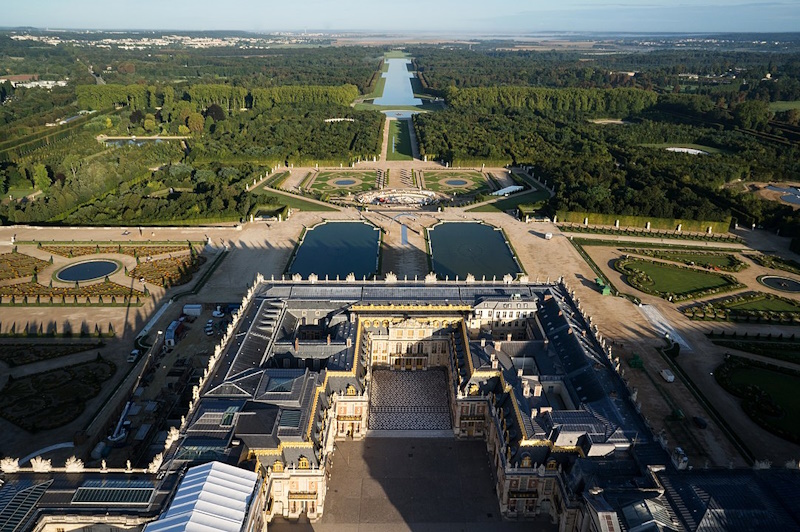
Versailles is the hardest of the three to enjoy – and the most worth doing right.
Tickets run €35 for the full Passport in peak season (April through October), which covers the palace, the Trianon Estate, and the Musical Fountains show. From 4 PM, a discounted rate kicks in.
The RER C from central Paris takes about 38 minutes to Versailles Château Rive Gauche, with a 10-minute walk to the gates. A one-way ticket is around €2.50 in 2026.
Get there before the gates open at 9 AM. The crowds build sharply from 11 AM.
On Tuesdays, the Louvre is closed, pushing an extra wave of visitors directly to Versailles, so avoid that day if you can. Wednesdays and Thursdays are consistently the quietest weekdays.
The Passport ticket includes timed entry to the palace. Book that entry slot well in advance, especially between June and August, when daily attendance can exceed 20,000.
The Aigle Noir Hotel (MGallery Collection, 4*), a former 18th-century private mansion facing the Fontainebleau palace grounds, is the best base if you’re combining nights. Guests keep mentioning the shaded bar courtyard as the place to end a long day.
How to Sequence the Three
By car, visit Vaux-le-Vicomte first, then Fontainebleau, and save Versailles for last. By train, flip the order: do Versailles on Day 1 while you have the energy for logistics, then Fontainebleau on Day 2.
For Vaux, you’ll need that Melun taxi or the Saturday shuttle.
One detail worth knowing: Vaux-le-Vicomte closes entirely from November 2 through mid-March. If you’re visiting outside of high season, check the schedule before building your itinerary around it.
The candlelit evening at Vaux is something else. The château is lit by more than 2,000 candles every Saturday from mid-May through late September. Doors open at 2 PM for candlelit ticket holders, and the estate stays open until midnight.