
The Miracle Worm That Saves Lives After the Crans Montana Deadly Fire
When the smoke cleared from the “Le Constellation” fire in Crans-Montana on New Year’s Day 2026, the medical challenge was staggering. With over 100 people seriously injured, many of them young partygoers with severe burns, Swiss hospitals were pushed to their limits.
In a move that sounds like it was ripped straight from a sci-fi novel, doctors reached for a “miracle” gel made from the blood of a common beach worm.
The Secret Life of the Lugworm
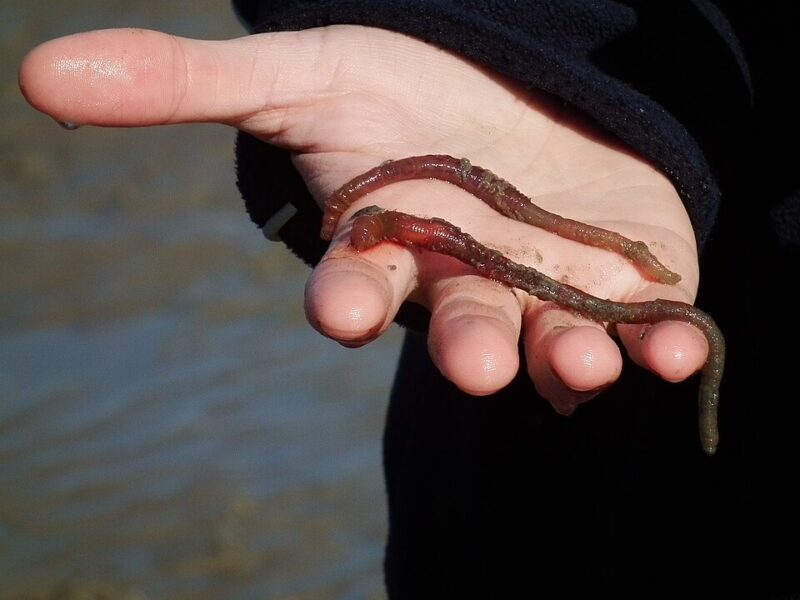
If you’ve ever walked along the beaches of Charentes-Maritime or Brittany at low tide, you’ve probably seen the little squiggly sand piles left behind by the lugworm (Arenicola marina).
For decades, they were just fishing bait. But it turns out these worms have a superpower: they can go six hours without a single breath of fresh oxygen.
They do this using a molecule called M101. While our human hemoglobin is tucked away in red blood cells, the worm’s version floats freely. It’s also 250 times smaller than our red blood cells and can carry 40 times more oxygen.
Because it doesn’t have a “blood type,” it’s the ultimate universal donor.
Healing Under Pressure
For the Crans-Montana victims, this was a lot more than a fun science fact: it was a life saver. When someone is severely burned, the damaged skin is “suffocating” because the blood vessels are destroyed.
Without oxygen, the tissue dies, leading to infection and the need for massive, painful skin grafts.
Doctors at the CHUV in Lausanne and specialized clinics in France used a gel version of this worm hemoglobin called HEMHealing.
They slathered it onto the wounds, and because the M101 molecule is so tiny, it slipped into the damaged areas where human blood couldn’t reach, “force-feeding” oxygen to the cells.
The results were incredible: it essentially kept the tissue alive long enough for the body to start repairing itself, saving many victims from permanent disfigurement.
High-Security “Worm Farm”
The production of this “liquid gold” happens at a 13-hectare facility on the Island of Noirmoutier in France. Not your average farm, it’s a high-tech, high-security site that looks more like a NASA lab than an aquaculture center.
Since the lugworm only reproduces once a year in the wild, the scientists here use in vitro fertilization and climate-controlled nurseries to keep the supply going year-round.
Once the worms are “harvested,” they are sent to a lab in Morlaix where their hemoglobin is extracted and – this is the secret part – freeze-dried into a powder.
This powder is the holy grail for emergency medics. Unlike human blood, which needs a fridge and expires quickly, this “powdered worm blood” can sit on a shelf in a backpack for months.
A New Frontier
The success in Crans-Montana has opened the floodgates for what this worm can do. Beyond burns, this “miracle blood” is already being used to keep transplant organs alive for much longer outside the body, essentially buying surgeons more time to save lives.
Looking ahead, researchers are testing it as a treatment for strokes and heart attacks, where the goal is to get oxygen to the brain or heart as fast as possible to prevent permanent damage.
We’re even looking at a future where ambulances in remote areas or soldiers on battlefields carry these “just-add-water” packets of worm hemoglobin to treat massive blood loss on the spot.
What started as a humble creature under a French beach might eventually become the standard tool for keeping us alive in the most extreme emergencies.