
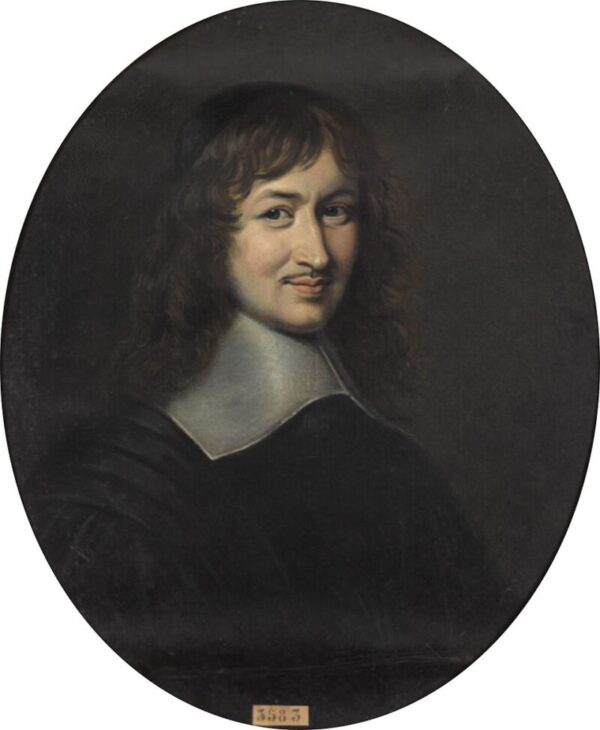
The Night That Ended Fouquet and Gave Birth to Versailles
Nicolas Fouquet built Château de Vaux-le-Vicomte as a statement of power, taste, and control. It ended his career and changed French history.
Fouquet rose fast. By his mid-40s, he was Surintendant des Finances under Louis XIV. He managed royal money, funded wars, and advanced large sums to the Crown when the treasury ran dry.
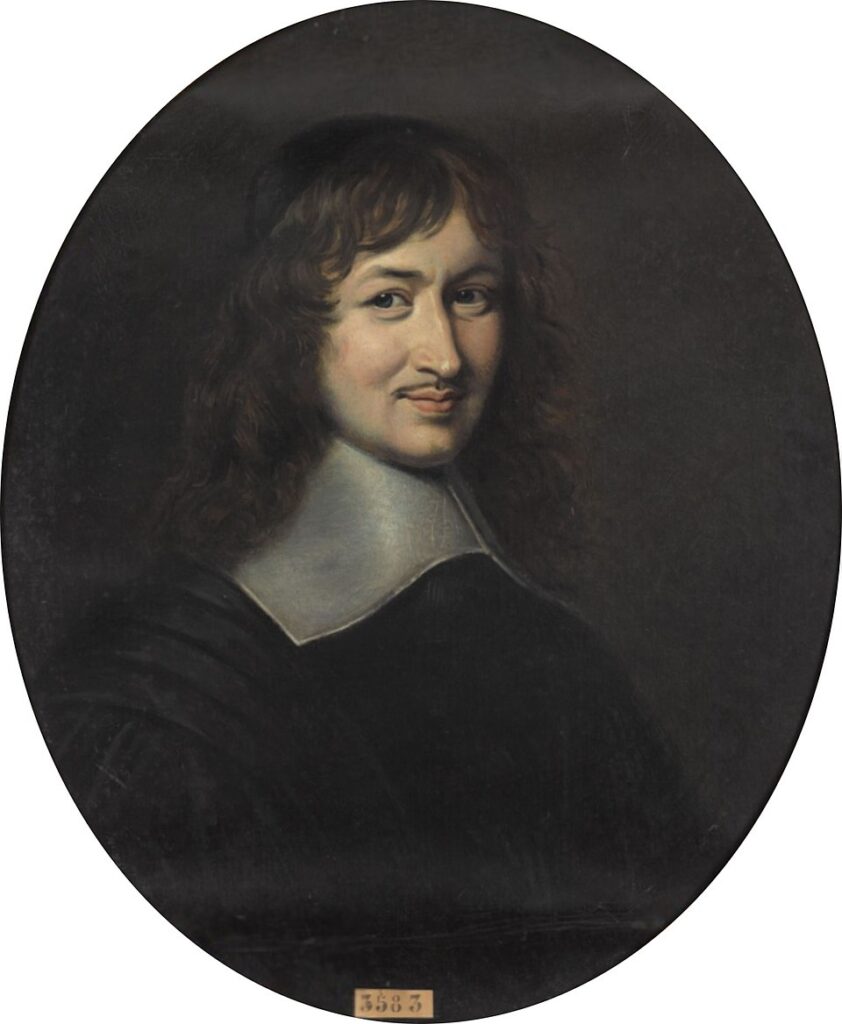
On paper, he served the king. In reality, he lived like a prince. Vaux-le-Vicomte was the clearest sign of that.
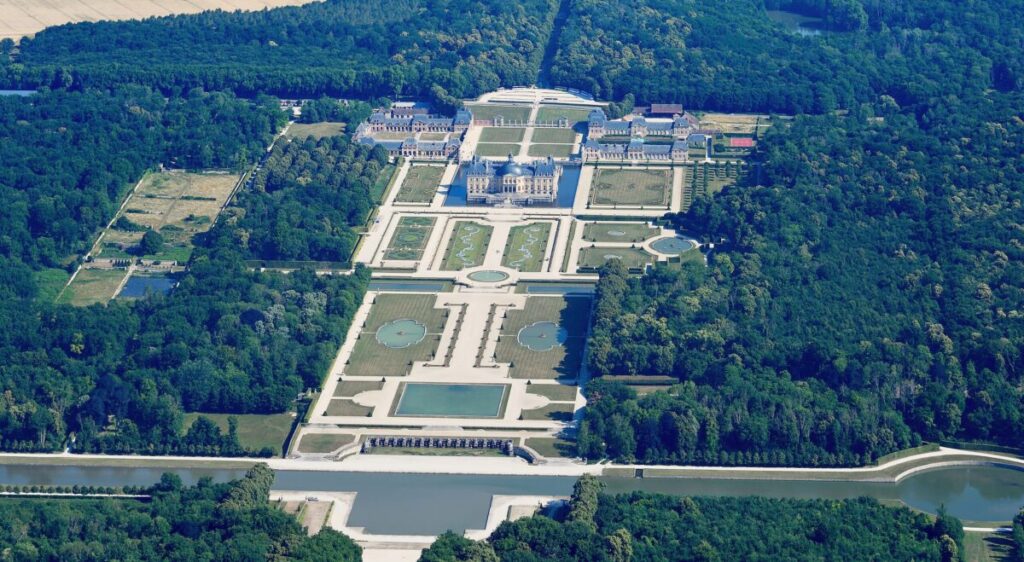
Construction began in 1656 in Maincy, near Melun. Fouquet hired the best people available: architect Louis Le Vau, painter Charles Le Brun, and landscape designer André Le Nôtre.
No one had ever brought architecture, interiors, and gardens together at this level. The château was not oversized, but everything aligned. Rooms flowed logically. Ceilings told coherent stories. The gardens were designed as a moving experience rather than a flat view.
Fouquet wanted Vaux to impress, but also to work. It was a private residence, a political salon, and a stage. Writers, artists, and thinkers were regular guests.
Molière benefited from Fouquet’s protection. So did La Fontaine. Vaux was meant to show that culture and power could sit in the same place.
The turning point came on 17 August 1661. Fouquet invited the king to a grand evening at Vaux-le-Vicomte. The event included a new play by Molière, music by Lully, elaborate meals, and fireworks over the gardens. Everything ran perfectly. Too perfectly.
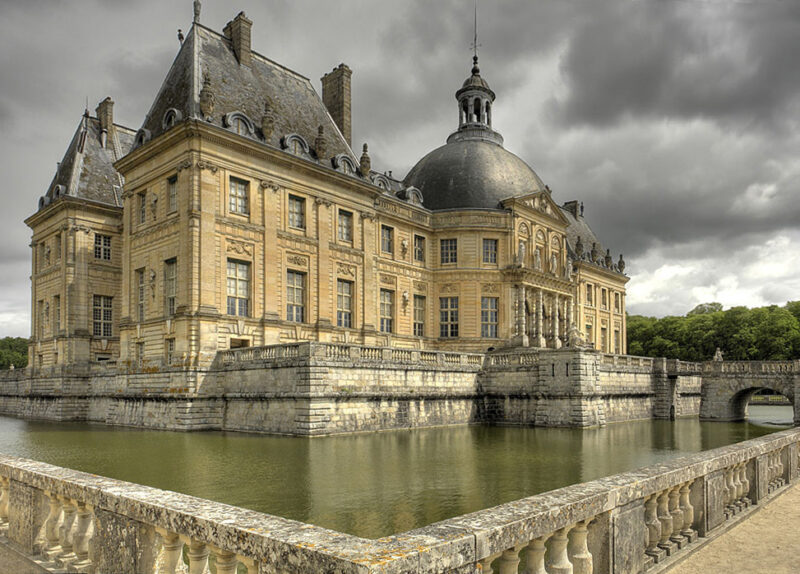
Louis XIV admired the château, then grew uneasy. A subject had built something the king himself did not yet possess.
Even worse, Fouquet’s wealth looked suspicious next to the Crown’s debts. Jean-Baptiste Colbert, Fouquet’s rival, had already planted doubts in the king’s mind. The party confirmed them.
Three weeks later, Fouquet was arrested by d’Artagnan. He was charged with embezzlement and abuse of office. The trial dragged on for years. Judges initially leaned toward exile. Louis XIV overruled them.
Fouquet was sentenced to life imprisonment and sent to Pignerol, where he died in 1680.
The château survived, but stripped of its owner. The king seized Fouquet’s tapestries, furniture, books, and artworks. Le Vau, Le Brun, and Le Nôtre were taken into royal service. What they had tested at Vaux became the foundation of Palace of Versailles.
After Fouquet’s arrest, Vaux-le-Vicomte became a blueprint. Louis XIV ordered that the same team reproduce and expand what they had achieved there, this time for the Crown.
Le Vau adapted the château model at Versailles into something far larger and more ceremonial. Le Brun reused decorative themes first tested at Vaux, including ceiling programs built around royal power and order.
Le Nôtre took the garden principles developed at Vaux – long axial views, controlled slopes, forced perspective, and disappearing basins – and pushed them to an unprecedented scale at Versailles.
Even technical solutions, like how water was staged and revealed through movement, were directly reused.
The shift is visible when you compare the two sites. Vaux-le-Vicomte is compact and finished as a single, coherent project. Versailles grew in phases, often corrected and enlarged after the fact.
Many historians see Vaux as the only place where Le Vau, Le Brun, and Le Nôtre worked together without royal pressure, budget limits, or political symbolism dictating every choice. Versailles became the symbol. Vaux remained the prototype.