
Florence, Hill Town, or Agriturismo: How to Pick the Right Tuscany Base
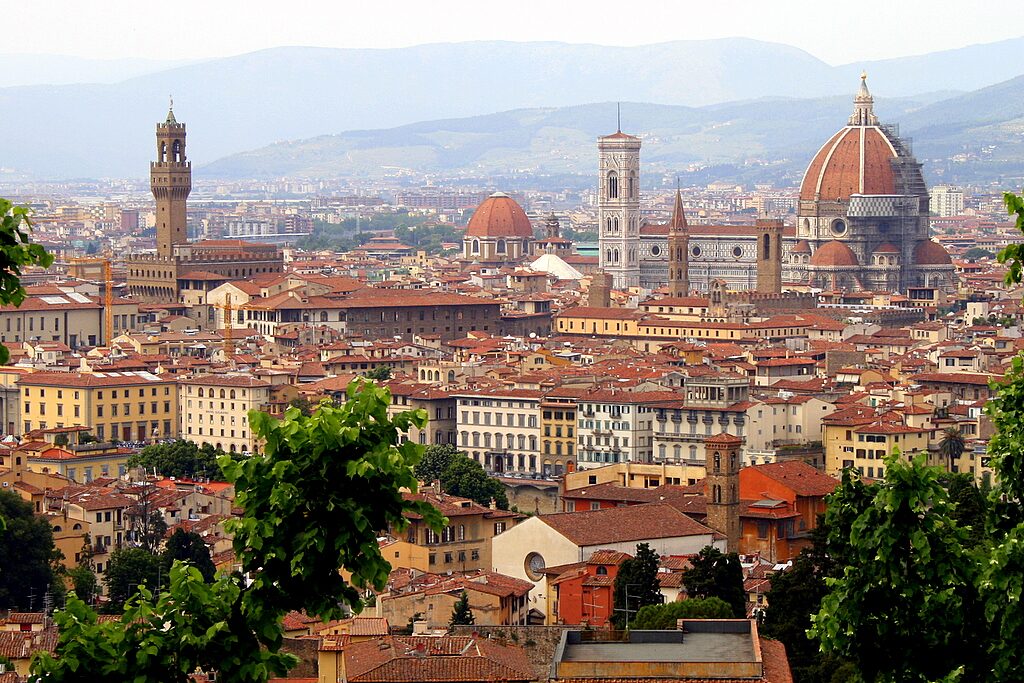
You can book the wrong kind of Tuscany and not realize it until you’re three days in.
There are three real options: Florence, a hill town like Montepulciano or Pienza, or a countryside agriturismo.
They look similar on Instagram. They deliver completely different trips.
Florence: Best for Museums and Efficiency
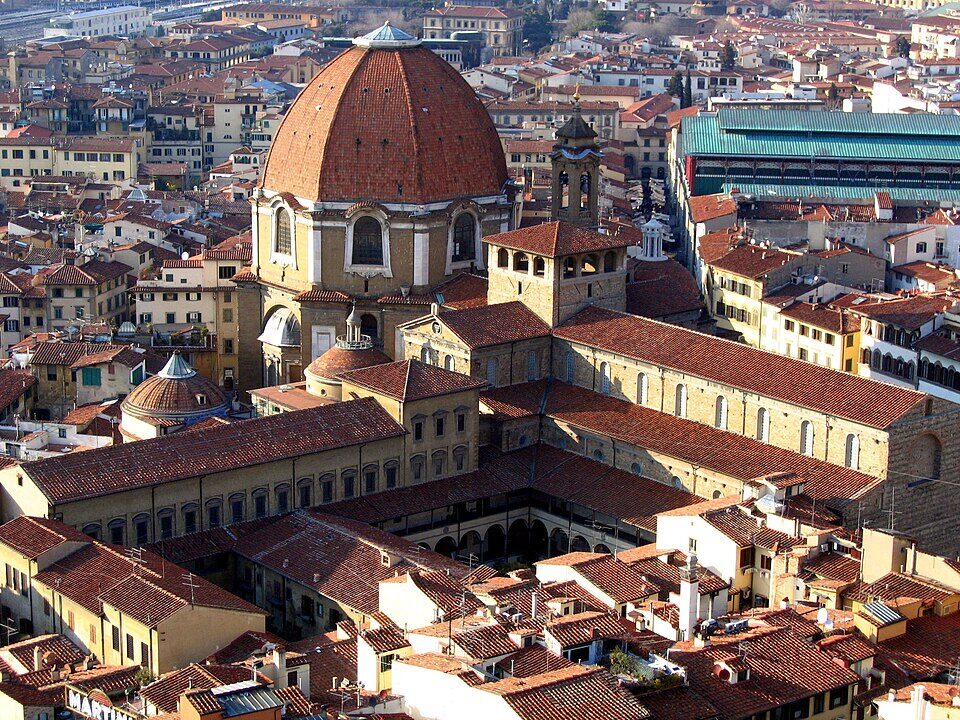
Florence is the right call if you want to see a lot and move fast. The Uffizi, the Accademia, the Duomo complex and the Bargello are all within walking distance of each other.
The Santa Maria Novella train station gets you to Siena in 90 minutes and Pisa in under an hour.
It’s also the most expensive base in Tuscany. Mid-range hotels in the historic center average around $230 a night in high season.
Budget rooms in the center start around $120, but at that price you’re not near a view of anything.
The crowds are real. Florence gets around 14 million visitors a year and most of them are here between June and September.
If you’re someone who finds that energizing, great. If not, you’ll be gritting your teeth by day two.
For a first trip to Italy, Florence makes sense as a hub. For anyone who’s been before, it’s probably not the move.
Hotels travelers recommend all the time:
IQ Hotel Firenze: 9.6/10 on Expedia (1,000+ reviews). Guests flag the breakfast and pool repeatedly. Historic center, mid-range luxury. Comes up constantly in “best value” discussions.
Portrait Firenze (Lungarno Collection): 9.6/10, 70+ reviews on Trip.com. 37 bespoke rooms on the Arno, designed by Michele Bönan. Named in the 2025 Global 100 Instagrammable Hotels. Consistently praised for intimacy and design.
25hours Hotel Florence Piazza San Paolino: 9.4/10 on Expedia (950+ reviews). One guest: “after walking all day, to come home to such a genuinely cute environment felt great.” Personality-driven boutique, strong repeat mentions across booking platforms.
Hill Towns: Best for Atmosphere
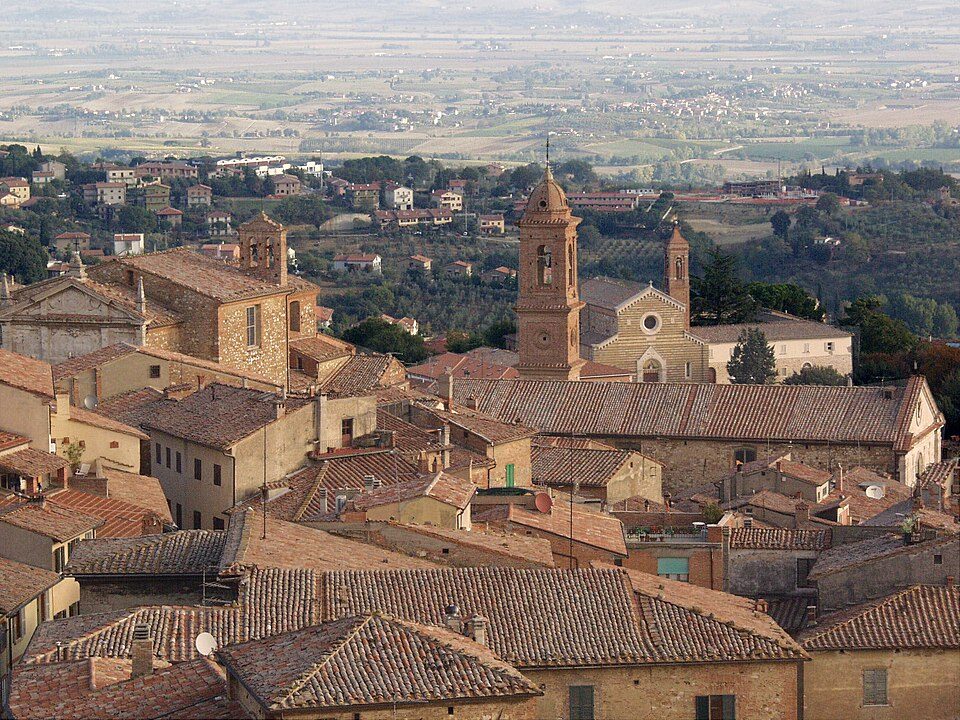
Montepulciano and Pienza are about 15 miles apart in the Val d’Orcia, and staying in either one puts you at the center of the Tuscany most people are picturing.
Montepulciano sits at nearly 2,000 feet, which means cooler evenings and a main street so steep it doubles as a workout.
The wine here is Vino Nobile, aged at least two years and one of the most underrated DOCGs in Italy.
Locanda di San Francesco, a four-room boutique hotel near the top of the hill, has rooms with direct views over the Val d’Orcia and starts around $276 a night.
Pienza is smaller, quieter, and was redesigned from scratch in 1462 on orders from Pope Pius II, who happened to be born there.
He brought in the best Florentine architects of the era and told them to build a model Renaissance city. The result is a main square that looks like it was designed for a film set.
La Saracina, a country house just outside town, has rooms with vaulted ceilings and valley views from around $324 a night.
Both towns require a car. There is no useful public transit in the Val d’Orcia for visitors.
Agriturismo: Best for Slowing Down Completely
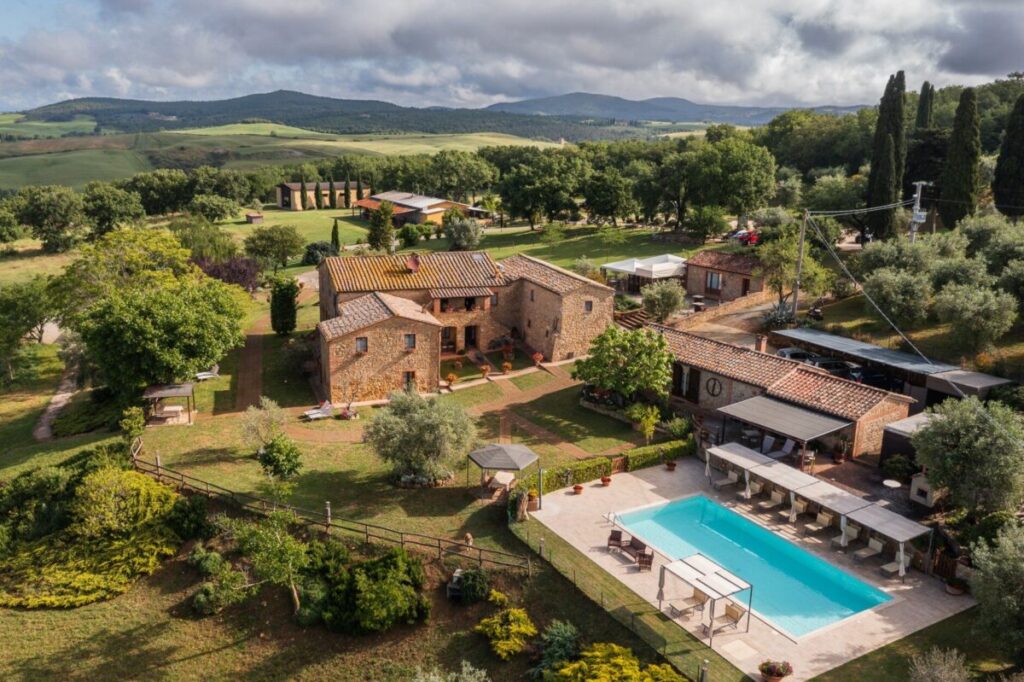
An agriturismo is a working farm with rooms. Some are rustic. Some have infinity pools. The best ones grow most of what they serve you.
Agriturismo Il Rigo, outside San Quirico d’Orcia, is the benchmark. It’s a 500-year-old farmhouse run by the same family for decades, set in the middle of the Val d’Orcia with views that look photoshopped even in person.
Dinner is a set four-course menu that changes daily based on whatever is coming out of the garden, and it costs €40 a person. The dinner menu changes every single day and has for decades.
Guests who’ve eaten at restaurants all over Tuscany consistently say it’s the best meal of the trip. The place books up months in advance, so plan ahead.
Agriturismo Cerreto, near Pienza, offers horseback riding through the vineyards and a pool with panoramic Val d’Orcia views.
Agriturismo Baccoleno, in the Crete Senesi between Siena and Montalcino, is a more stripped-back property for people who want total quiet and not much else.
Prices across this category run from around $120 to $250 a night, with the top end going higher for properties with wine labels and spas.
Like the hill towns, an agriturismo means a car is non-negotiable.
When You Go Changes Everything Too
July and August in Florence hit 90°F regularly, and the narrow streets in the historic center trap heat all day.
The hill towns are cooler by about 7 degrees. Montepulciano at nearly 2,000 feet gets afternoon breezes that Florence never sees.
The Val d’Orcia looks completely different depending on the month. Spring, from late April through May, is green wheat fields and red poppies.
September and October bring the grape harvest and a golden light that makes every photo look edited.
July and August are golden too, but in a drier, more scorched way, and the roads get busy.
Most agriturismi and smaller hotels in the Val d’Orcia close December through February. If you’re planning a winter trip, Florence is the one that stays fully open.
One practical note: if you’re renting a car, book it before you travel. Summer availability gets tight, and you don’t want to discover the last automatic transmission in Siena is already gone.