
US Family Swaps Massachusetts for France
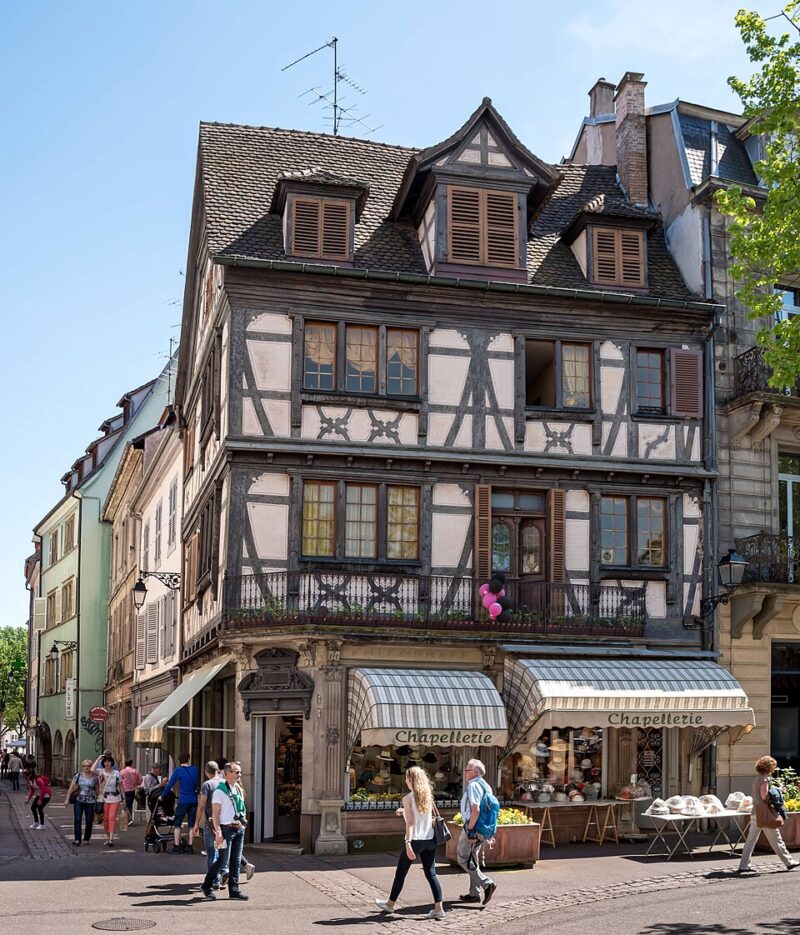
A family of 4 from Taunton, Massachusetts, just blew up on YouTube after trading their suburban life for a new start in Colmar, France.
The Marvels didn’t move for a long vacation or a “Main Character” Instagram aesthetic. Instead, they documented their first 30 days to show exactly why they fled the high-cost, high-stress grind of the United States for a city that actually feels built for humans.
The biggest culture shock wasn’t the language but the sidewalk! In Massachusetts, life happened through a windshield. In Colmar, the family realized that the city belongs to people, not cars.
They traded their $3,000 Massachusetts housing costs for a large, centrally located apartment in Colmar that costs just 1,625 € (about $1,750) a month.
The father noticed his kids actually wanted to leave the house because the streets felt safe and welcoming. He described a simple 25-minute walk to the bakery as a perspective-shifting moment where drivers actually prioritize pedestrians – a total 180 from the “bracing for impact” feeling of crossing a street in the US.
That change did more than just burn a few calories, it tanked their stress levels. They realized they had spent years in a state of constant survival mode back home.
In Colmar, they found a “peaceful normal” where bikes, scooters, and walkers coexist without the constant threat of a traffic accident or road rage. For the first time, they could stop scanning for danger and just enjoy a walk.
Great Public Systems
The family’s deep dive into French healthcare sounds almost like science fiction compared to the American system.
The father shared a story about needing a same-day appointment with a brand-new doctor. He wasn’t grilled about insurance or forced to sign a mountain of repetitive paperwork.
The doctor personally called him into the office, handled the consultation, and wrote a prescription – all in 13 minutes.
From the moment he walked into the clinic to the moment he walked out of the pharmacy across the street, only 30 minutes had passed.
The price tag was the real kicker. Even as foreigners paying the full rate without a local health card, the bill was cheaper than the co-pays they used to pay with insurance in the States.
They realized the French system treats medicine as a public service rather than a profit machine, which made the whole experience feel faster and far more respectful.
Better Food
Within one week of eating French groceries, the father’s chronic digestive issues, something he had dealt with for years in the US, completely disappeared.
He credits this to the strict European regulations that ban the chemical additives and industrial processing methods found in the American food supply.
He noted that even a cheap grocery store baguette felt like real fuel for his body rather than a corporate science experiment.
Even the act of buying food felt different. They described US grocery stores as “stress gauntlets” designed to overwhelm you with bright lights and pushy credit card offers.
In Colmar, the stores are calm. Cashiers sit down while they work and aren’t forced to scan items at a frantic pace.
They also noticed a lack of teenagers working long shifts, observing that French society seems to let kids be students and have a social life rather than pushing them into the workforce the second they hit high school.
Kids Freedom
The most jarring change was seeing the level of trust the community has in its children. The father admitted his “American alarm bells” went off when he first saw 6 and 7-year-olds taking the bus or walking through parks alone.
He eventually realized this wasn’t bad parenting but a sign of a society that actually works. In Colmar, school doors stay open, and kids are trusted to go grab lunch and come back on their own without the high-security, prison-like atmosphere common in US schools.
This freedom also applied to their wallet. By using a bus system that serves even the tiniest villages of 561 people, they ditched the need for a car and the $1,000 monthly payment that comes with it.
They found that in France, there is zero stigma attached to taking the bus – you’ll see everyone from kids to professionals in suits riding together.
Budget and Costs
The family’s relocation also turned out to be a sound financial decision. By mapping out their first 30 days, they found that the “hidden costs” of American life had been draining their bank account in ways they hadn’t fully realized until they left.
The biggest win was the immediate disappearance of a $1,000 monthly car payment, along with the associated insurance and maintenance. In its place, the family now spends roughly 80 € a month on bus passes that cover the entire household.
Likewise for housing costs: they traded their $3,000 Massachusetts mortgage for a spacious, centrally located apartment in Colmar for 1,625 € (about $1,750). Even with utilities averaging 150 € to 200 €, the savings remain substantial.
They spend about 600 € a month on groceries. It is roughly the same amount they spent in the US, but the food quality is much higher. By killing their $500 health insurance premiums and swapping overpriced data plans for 15 € phone bills, they found their money finally goes toward living.